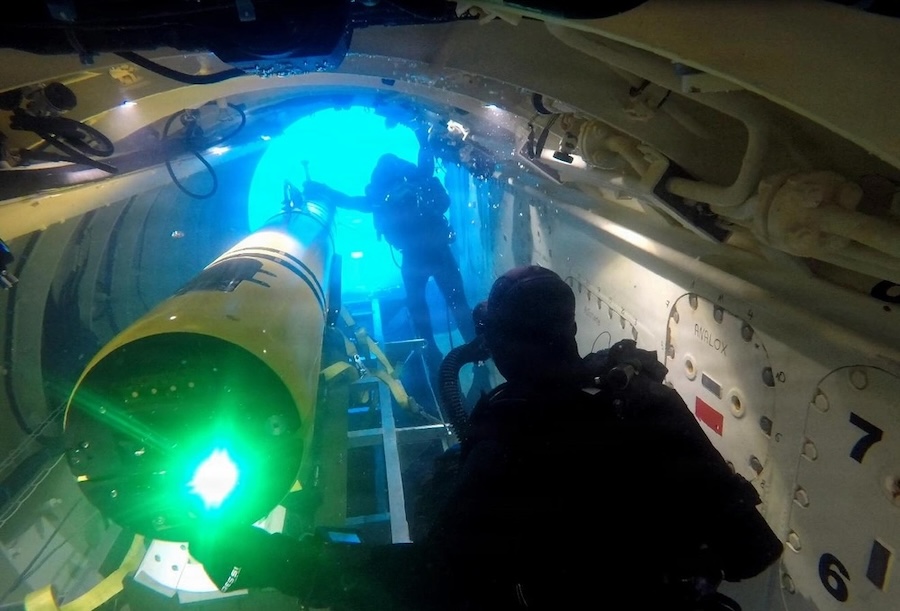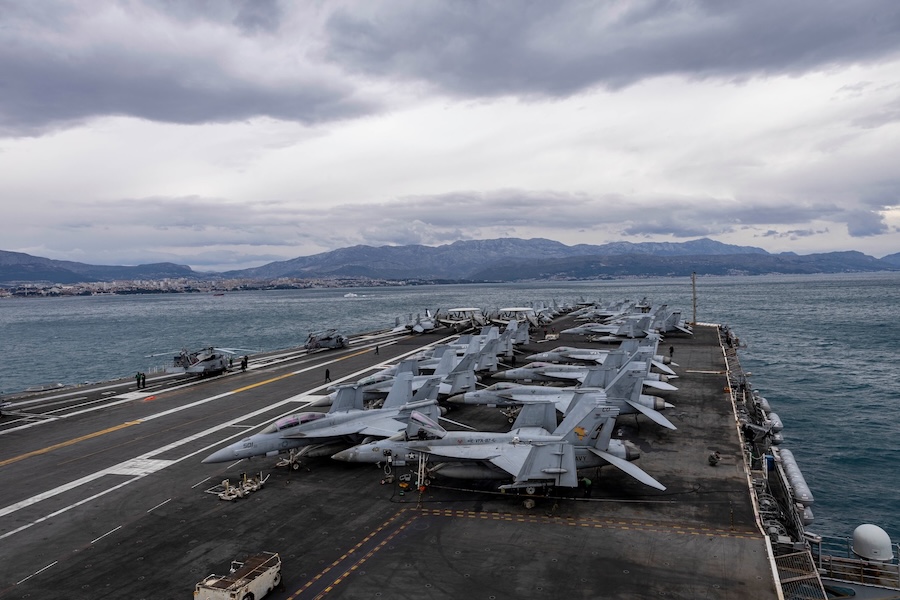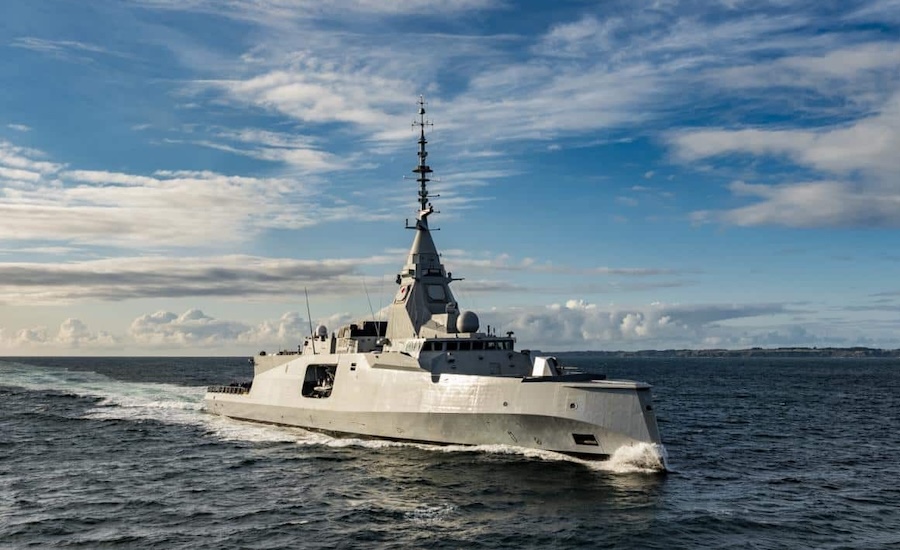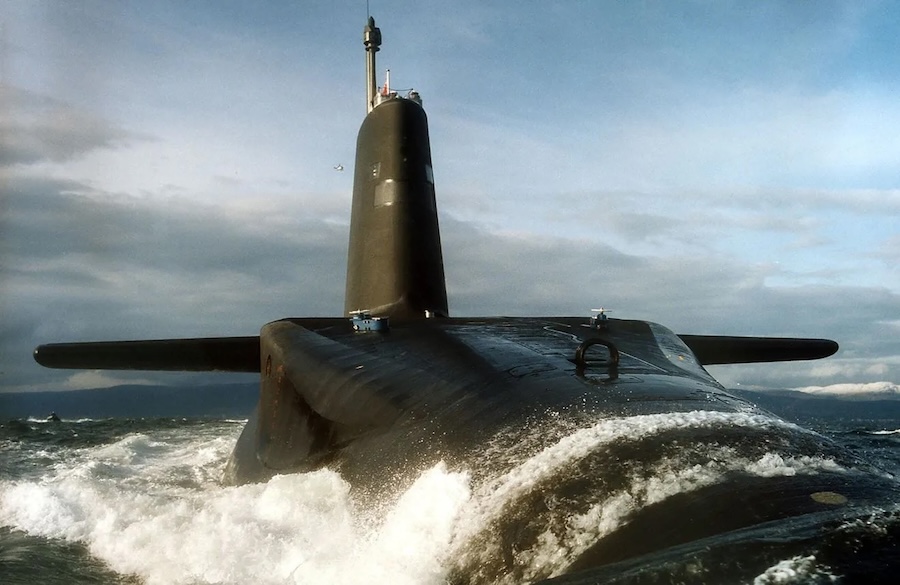
During the transit, the task group carried out multi-domain military activities with other Allied navies, progressively strengthening cohesion and interoperability. Drills advanced from basic manoeuvres to more complex operational scenarios, alongside air defence and surface warfare exercises and coordinated operations with maritime patrol aircraft from France, Germany and the United Kingdom.
Between 6 and 8 February, the group escorted the transport ship Ysabel, which was carrying Spanish Army materiel to support the land component of the exercise. NATO said the deployment has from the outset contributed to peacetime vigilance, deterrence and defence against potential threats in a region it describes as a strategic axis vital to regional security, hosting key trade routes, critical energy infrastructure and undersea cables essential to Allied economies and societies.
Embarked aboard Castilla is the Spanish Maritime Forces Headquarters, SPMARFOR, which serves as the Maritime Component Command of the Allied Reaction Force during Steadfast Dart 26. On arrival in Kiel, the force completed its formation with additional Allied units, bringing the total to 15 ships and around 2,600 personnel under SPMARFOR command, including the Turkish Amphibious Task Group, vessels from Standing NATO Maritime Group 1 and Standing NATO Mine Countermeasures Group 1, and contributions from France, Poland, Germany, Türkiye, the Netherlands and Spain.
NATO said Steadfast Dart 26 provides an opportunity to raise training standards, enhance interoperability and strengthen Allied cohesion, reinforcing the deterrence and defence posture of the North Atlantic Treaty Organisation. The exercise is intended to ensure forces remain ready and capable of responding whenever and wherever required in the event of a crisis or contingency.