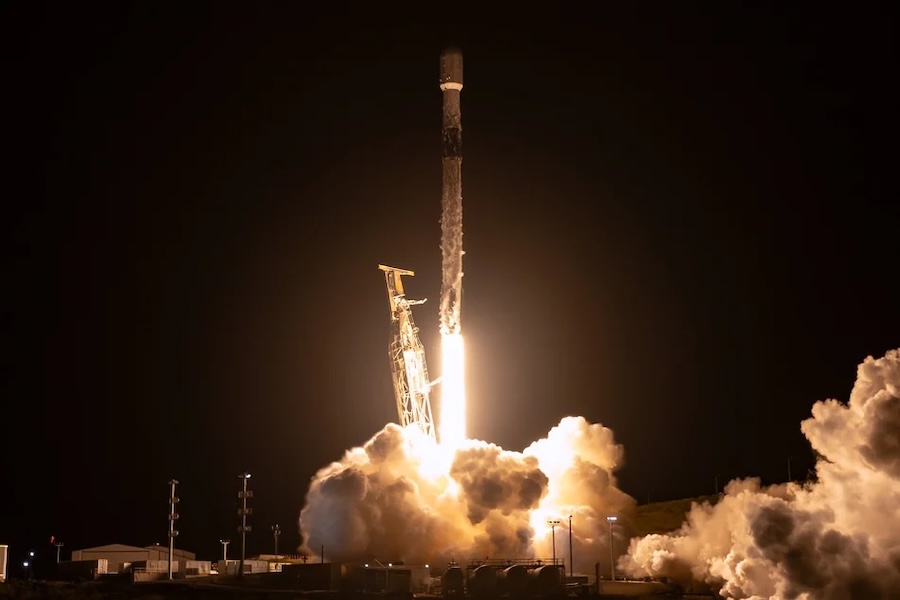


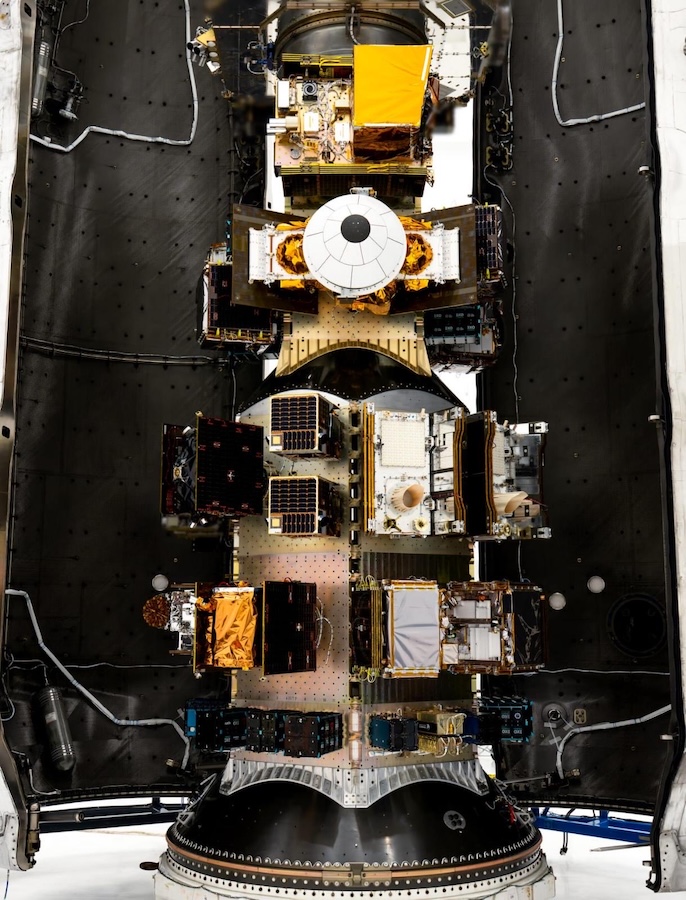
The Luna-2 nanosatellite is designed to deliver secure sensor data from remote locations worldwide. Despite its compact size, it is capable of covering large areas while maintaining low energy consumption through its LoRa-based communication system.
The launch marks a further step in Aselsan’s expansion into the space domain. The company said it is leveraging its defence technology expertise to support the development of advanced space-based systems.
Luna-2 forms part of a broader effort to strengthen Türkiye’s position in the global space sector. The programme contributes to national ambitions for independent and sustainable space technologies.
All stages of the satellite’s development were carried out internally by Aselsan. This includes design, production, integration and testing, as well as the development of key software and payload components.
The flight software, ground control systems and communication hardware were developed using national engineering resources. Officials said this approach supports the creation of fully sovereign technological solutions.
Aselsan said its activities in satellite communications, payload systems and ground infrastructure continue to expand. These efforts are aimed at reinforcing the company’s role in the evolving space technology landscape.
The company noted that Luna-2 enhances its capabilities in space-based IoT applications. It also strengthens its contribution to Türkiye’s broader space strategy.
The satellite is expected to provide reliable connectivity for sensor networks operating in isolated environments. This capability supports a wide range of potential applications requiring secure and efficient data transmission.
Aselsan said the successful deployment of Luna-2 demonstrates its growing expertise in the field. The project reflects ongoing investment in advanced technologies aligned with the New Space Age.