


The project will create around 20 on site manufacturing jobs and support hundreds more across the wider supply chain. Officials said the investment underlines the government’s commitment to building a future made in Australia.
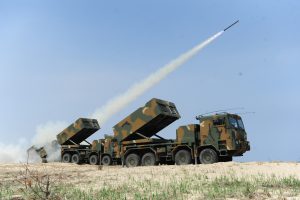
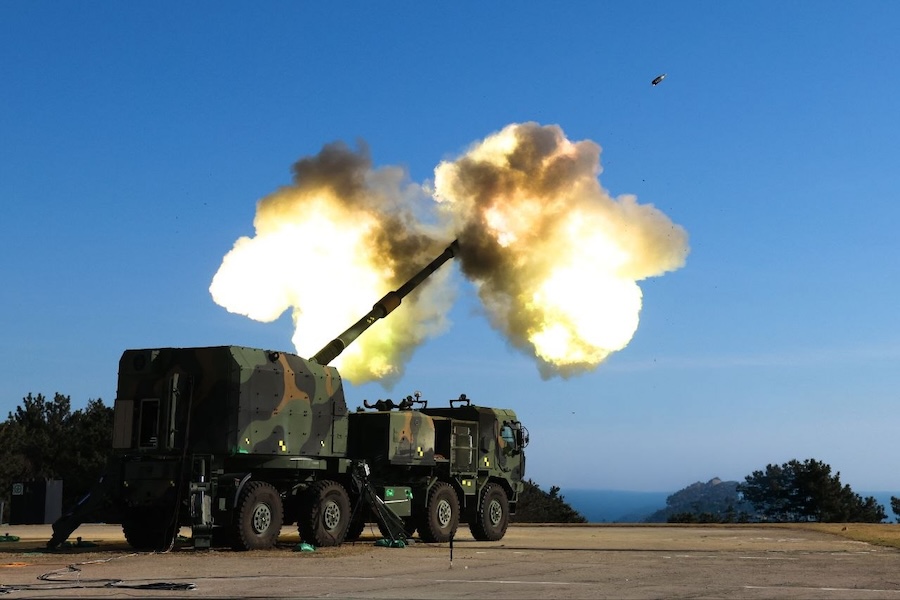
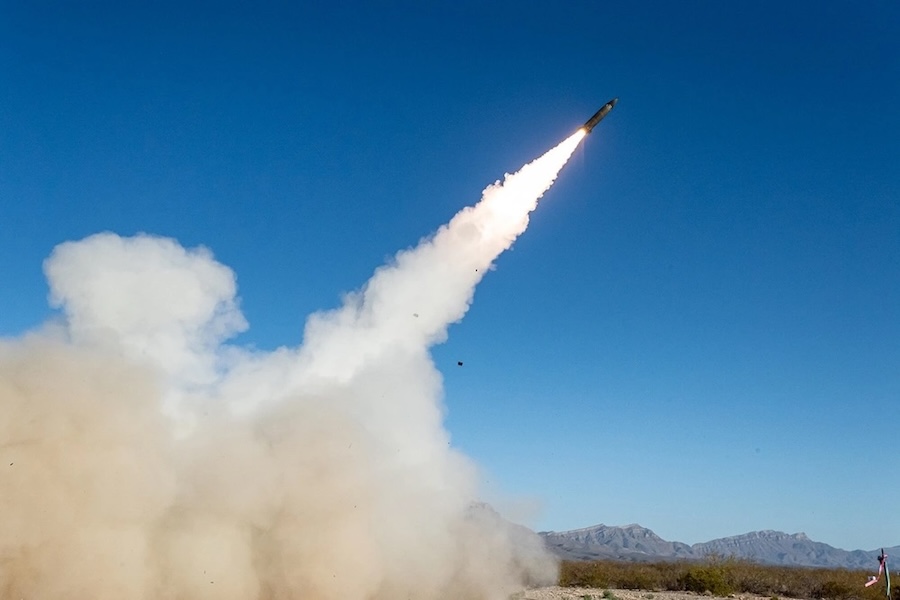
The GMLRS is a precision strike weapon fired from the High Mobility Artillery Rocket System recently acquired for the Australian Army’s long range fires programme. The opening of the factory marks a milestone in the Guided Weapons and Explosive Ordnance Enterprise, meeting last year’s government production schedule.
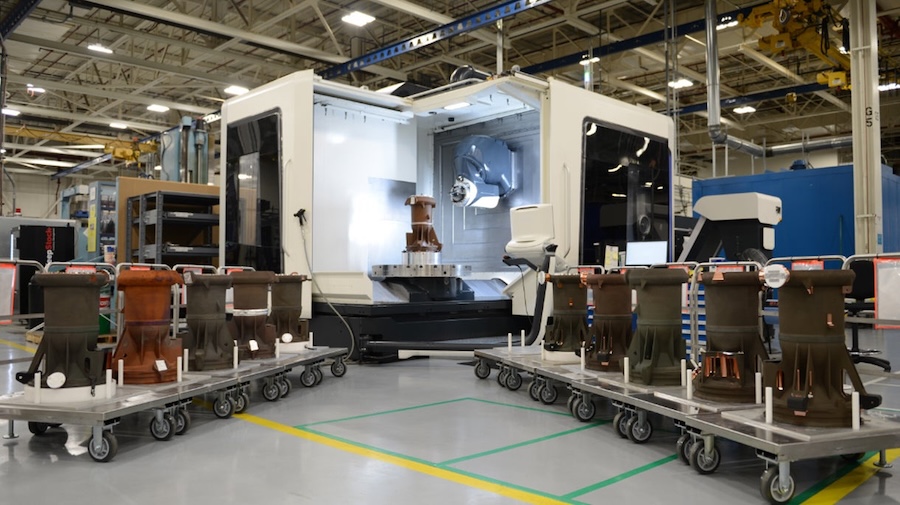
Designed and built by Intract Australia, an Indigenous owned and operated company, the factory was completed in just under seven months. The site will become only the second facility in the world to produce GMLRS outside Lockheed Martin’s plant in Camden, Arkansas.
The government said the achievement strengthens defence ties with the United States and supports export potential. The first group of Australian workers has already finished training at the Camden facility, supporting knowledge transfer and boosting sovereign capability.
The project forms part of up to 21 billion dollars in long term investment to acquire more long range strike systems and manufacture longer range munitions in Australia. Acting Prime Minister Richard Marles said, “Starting missile production in Australia this year is a major step in building the industrial strength our nation needs. It’s about creating advanced manufacturing capability that will serve Australia for decades to come.”
Marles added, “This factory is part of a bigger picture – growing a high-tech industry that supports skilled jobs, drives innovation and strengthens Australia’s economy. It’s a clear example of what a future made in Australia looks like.” He also said, “Producing these missiles in Australia demonstrates both the strength of our alliance with the United States and the capability of Australian industry.”
Minister for Defence Industry Pat Conroy said, “The opening of this factory delivers on the Albanese Government’s commitment to establish a sovereign missile manufacturing industry. It’s about jobs for locals and a future made in Australia.” He added, “This is a significant milestone and a proud moment for Australia. This will make us more self-reliant and strengthen our national security.”
Conroy also said, “It reaffirms our defence partnership with the United States, including our growing collaboration on guided weapons and explosive ordnance, and will equip our ADF with long-range strike capability that will help keep Australians safe.” Mr Patrick Mason, Deputy Assistant Secretary of the U.S. Army for Defense Exports and Cooperation, said, “The opening of this GMLRS manufacturing facility in Port Wakefield represents a transformative milestone in U.S.-Australia defence cooperation.”
Mason continued, “This partnership not only strengthens our shared commitment to regional security but also demonstrates the power of allied innovation in building resilient defence supply chains.” He added, “Our nations’ goal to collaborate on guided weapons manufacturing exemplifies the deep trust and interoperability that defines our alliance, while potentially creating new opportunities for both countries to support partners across the Indo-Pacific region.”
Source: Government of Australia.