

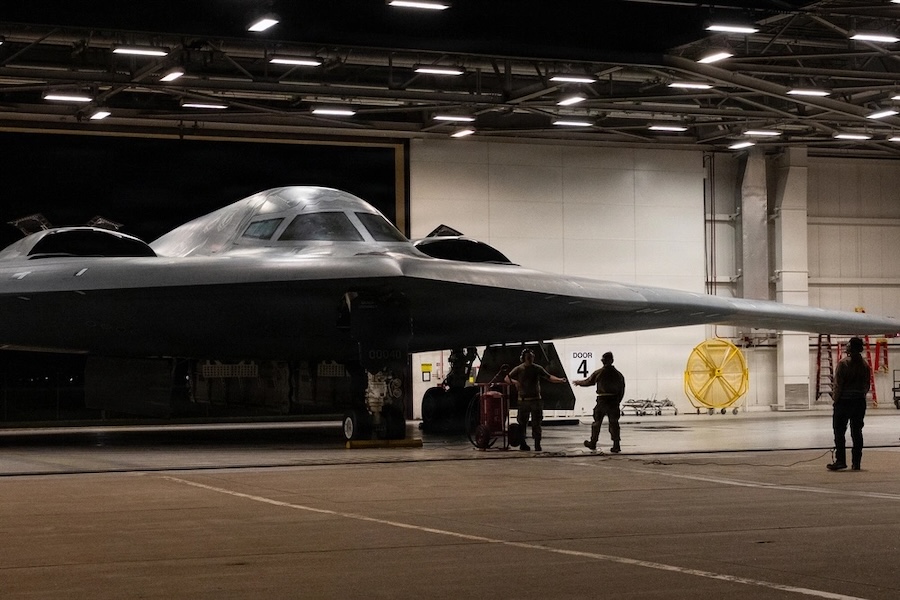
The strike was ordered by Brad Cooper, head of U.S. Central Command, following intelligence assessments. Officials said the mission aimed to eliminate high-level IRGC leadership operating from a fortified underground compound.
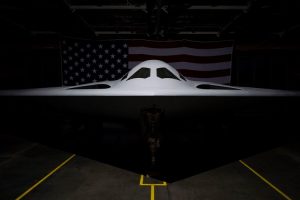
The B-2 bombers deployed GBU-57 Massive Ordnance Penetrators, also known as bunker-buster bombs. These 30,000-pound munitions are designed to destroy deeply buried and hardened targets.
The aircraft’s stealth design enables penetration of advanced air defenses with reduced detection. Their payload capacity allows them to strike targets beyond the reach of conventional weapons.
The mission mirrored a previous long-range operation conducted during Operation Midnight Hammer in June. In that case, B-2 bombers targeted Iranian nuclear facilities using similar weapons.
The aircraft traveled approximately 7,000 miles during the latest operation. Officials said the mission formed part of a broader campaign against Iran.
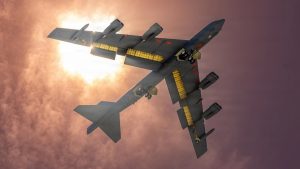
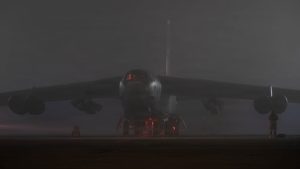
At the six-week mark of the conflict, U.S. Central Command reported more than 13,000 strike targets across Iran. Other bombers, including the B-1 and B-52, have also been used in the campaign.
The strike coincided with a search-and-rescue operation involving two American airmen downed over Iran. The effort involved hundreds of personnel and multiple aircraft.
Donald Trump described the rescue during a White House press conference. “You would call it central casting if you were doing a movie for location,” he said Monday.
“Those pilots came in so fast and so quick and got out of there,” Trump added. He said the scale and speed of the operation demonstrated U.S. military capabilities.
The president also issued warnings regarding further military action. He said U.S. forces could target Iran’s infrastructure, including bridges and power plants.
In a subsequent social media post, Trump escalated his rhetoric. “A whole civilization will die tonight, never to be brought back again,” he wrote.
“I don’t want that to happen, but it probably will,” he added. Officials did not provide additional details on potential actions.
Karoline Leavitt said decisions remain with the president. “Only the president knows where things stand and what he will do,” she told Military Times.
The developments highlight the intensity of ongoing operations and rising tensions in the region. U.S. officials continue to monitor the situation as the campaign progresses.
Source: Military Times.