The cash flow forecast compares with £2.2 billion in 2025 and excludes any material advances BAE may receive before the end of 2026. The company kept the guidance it raised in July, with sales expected to grow 8% to 10%, underlying earnings before interest and tax 10% to 12% and underlying earnings per share 11% to 13%, all at constant exchange rates.
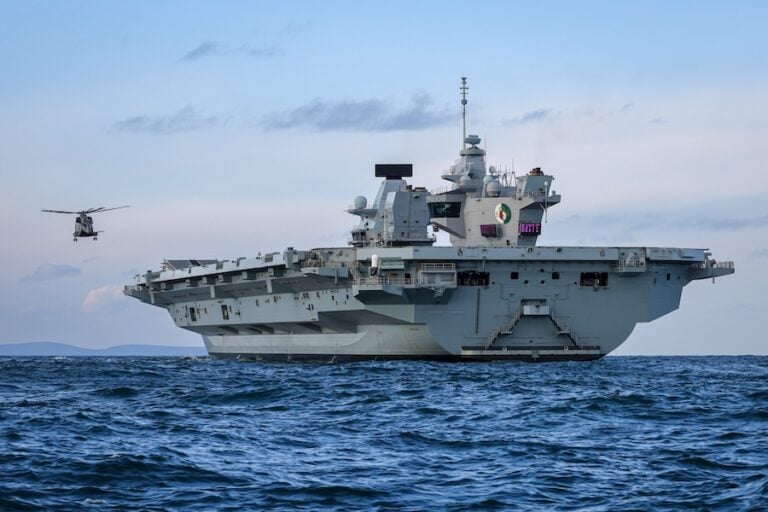
BAE said strong trading in its Electronic Systems, Air and Platforms & Services divisions had more than offset subdued growth and margins in Maritime so far in the second half. The maritime business is working through the first-in-class stage of the Type 26 frigate programme.
“We’ve delivered strong financial and operational performance year to date, as well as positive order intake momentum,” said Charles Woodburn, BAE Systems’ chief executive. “Our substantial backlog provides good visibility and, with our portfolio aligned to evolving threats and customer priorities, we remain well positioned to deliver sustainable growth over the years ahead.”
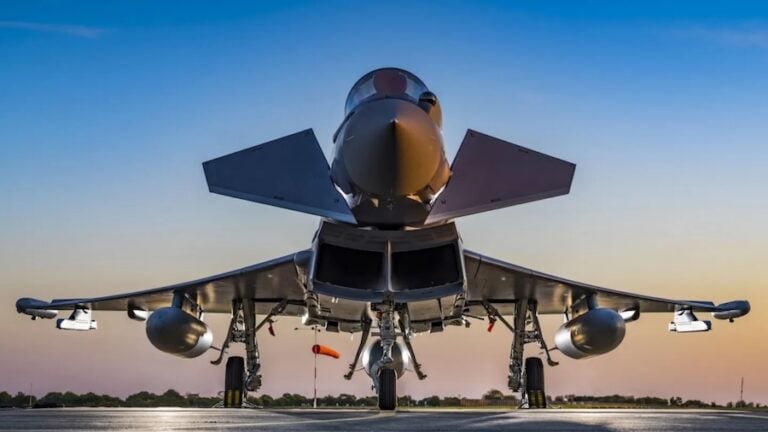
Second-half awards included about £4.3 billion in additional funding to bring Britain’s Dreadnought-class nuclear deterrent submarines closer to service. BAE booked about £1.6 billion in orders related to the Global Combat Air Programme, including its share of a roughly £4.6 billion contract awarded to Edgewing to finish concept and assessment work and move towards joint detailed design and development.
BAE’s share of MBDA orders in the period was about £1.5 billion. The company also reported an award worth about A$1.3 billion to build an Arctic over-the-horizon radar in Canada under Australia’s High Frequency Surveillance programme, calling it Australia’s largest defence export.
BAE received about US$1 billion in additional funding for munitions programmes, including production of APKWS precision guidance systems and THAAD infrared seekers. The company said it supports 10 of the 12 US munitions programmes singled out for significant production increases.
The group received about US$800 million to continue full-rate production of Armored Multi-Purpose Vehicles for the US Army. Its Ordnance Systems business received about US$500 million to keep producing energetics and modernise facilities at the Holston and Radford Army Ammunition Plants.
BAE expects to return about £1.6 billion to shareholders in 2026, including about £500 million in share buybacks. The total also includes the final dividend for 2025 and the 2026 interim dividend, due on 2 December.