

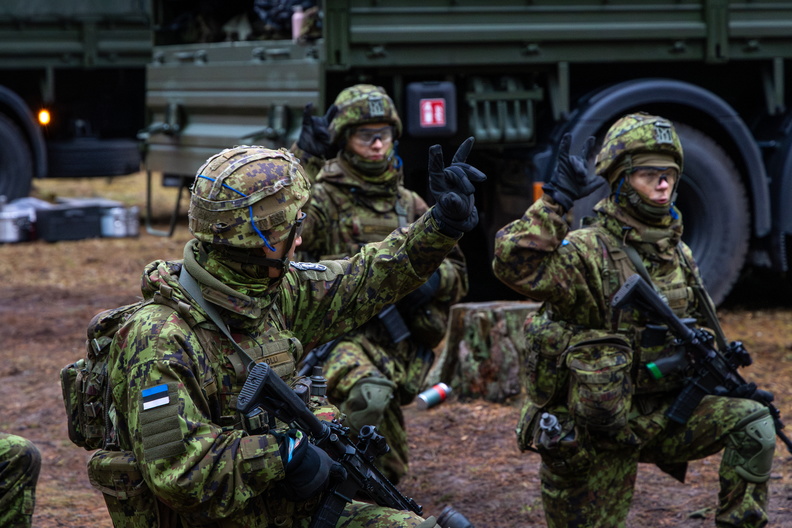
The planned Military Mobility Area aims to harmonise peacetime border crossings and transport procedures, with the long-term objective of contributing to a standardised framework across Europe. Estonian Defence Minister Hanno Pevkur said cooperation among the neighbours was already close, adding: “In order to deepen that cooperation, my fellow defence ministers and I have decided to establish a Baltic Military Mobility Area, which will allow our defence forces to move military equipment on a common, standardised basis.”
Pevkur said the initiative was designed to strengthen deterrence in the region and support wider European efforts, noting: “This is important in strengthening our defence posture, with the ultimate goal being to create a ‘military Schengen zone’ across Europe.” The ministers said such measures were increasingly important as allied forces need to move rapidly across borders in response to security threats.
Latvian Defence Minister Andris Sprūds stressed political will as the foundation of effective defence cooperation. “Our security is only as strong as our will to act,” he said, adding: “The Baltic Defence Line and industrial cooperation are our responsibility, and a practical response to regional challenges.”
Sprūds said closer coordination would reinforce both regional and allied security. “By synchronizing our forces, we are not only strengthening the NATO border but also creating a lasting foundation of stability for all of Europe,” he said.
Lithuanian Defence Minister Robertas Kaunas said a letter of intent signed at the meeting set out how the Military Mobility Area would function in practice. “It means that, when necessary, Lithuanian military equipment can move freely to defend Riga, Estonian artillery can support Vilnius, Latvian forces can lend their strength to Tallinn and vice versa, with each nation’s capabilities seamlessly supporting the others,” he said.
Kaunas said the initiative was aimed at removing delays in times of heightened tension. “In times of crisis, every hour matters – bureaucratic borders cannot slow down our defence,” he said, adding: “The Baltic States will never again be anybody’s backyard. We are the guardians of NATO’s eastern flank, and we take that responsibility seriously.”