

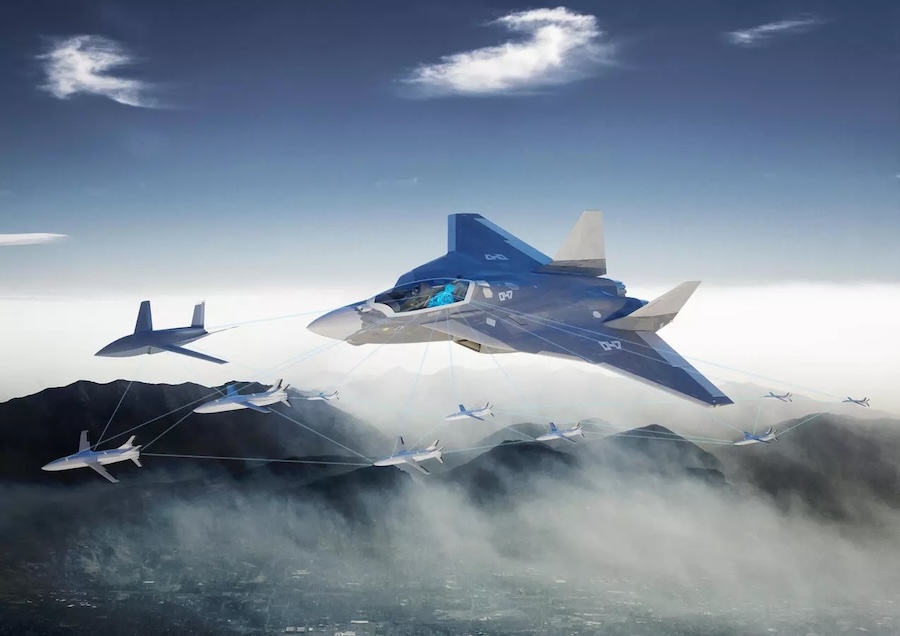
An ongoing dispute between France and Germany has cast doubt over whether the programme can continue. Belgium, which held observer status and had expressed interest in joining, now considers the project all but finished.
“There will be no sixth-generation French-German-Spanish fighter jet,” Francken stated in a social media post, adding that the rift between Germany and France is too deep. His remarks followed comments by Merz that Germany does not require the same fighter jets as France.
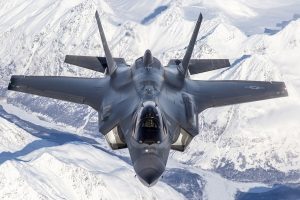
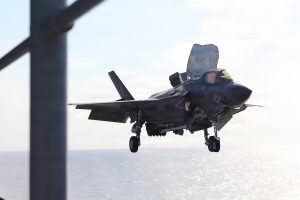
In July 2025, the Belgian government approved full participation in the FCAS programme. At the same time, it outlined plans for the Belgian air force to operate both the US-built F-35 fifth-generation fighter and the FCAS aircraft, which was ideally expected to be ready by 2040.
The decision prompted strong criticism from Éric Trappier, chief executive of Dassault Aviation and France’s lead contractor in the FCAS project. “If [Belgium] gives up the idea of buying F-35s, they’d be welcome. If they are not, then that’s really making a monkey out of us,” the French aviation executive said.
Francken responded by saying Belgium had no need for lessons from “arrogant industrialists” and indicated that Brussels would have to reconsider its decision to join the programme. Following Merz’s recent comments, he said he would again “reassess our position in consultation with our allies.”
“A European sixth-generation aircraft remains a dream. Hopefully, it will come true. We are looking at all options,” he stated. Francken is due to present his contingency plan to the Belgian defence committee next Wednesday.
France, Germany and Spain had aimed to resolve their differences over FCAS by the end of last year. However, the decision was postponed indefinitely because of continued disagreements, and the German government now expects a response from France on how to proceed by the end of the month.
Source: Euractiv.