

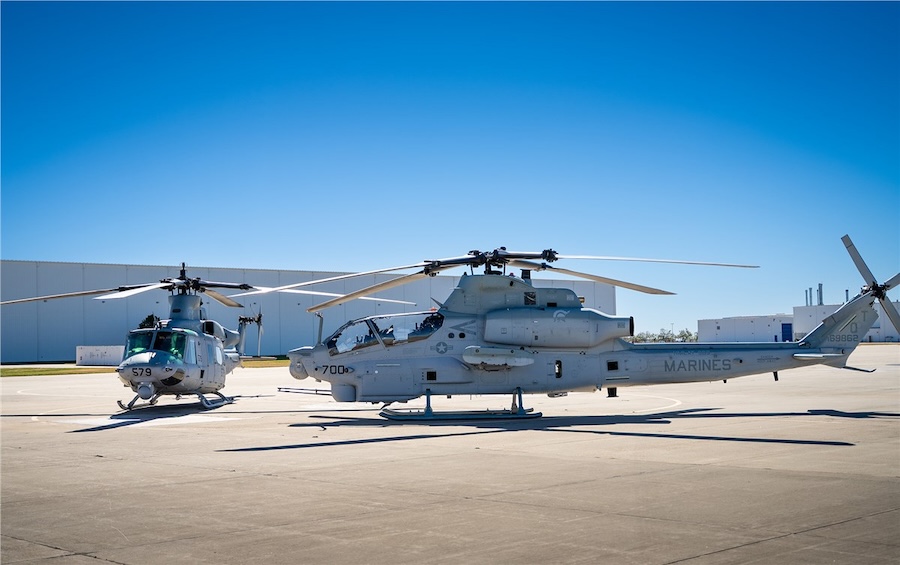
The SPINE programme, previously known as the Structural Improvement and Electrical Power Upgrade (SIEPU), focuses on improving aircraft structure and power delivery systems. The effort is designed to support enhanced weapons systems and other future capabilities while improving survivability and lethality across the Marine Corps’ H-1 fleet.
Flight tests at Naval Air Station Patuxent River will determine the final configuration for the SPINE upgrades. Once validated, the selected configuration will be incorporated into future modifications carried out in Amarillo and fielded to the U.S. Marine Corps through additional contracted efforts.
The modernization effort forms part of the broader H-1 programme plan to strengthen operational capabilities and ensure the fleet remains effective in modern combat environments. Bell said the upgrades will provide the aircraft with the structural strength, electrical capacity and digital foundation needed for future operational demands.
“To have these first two aircraft completed under the SPINE program is a huge moment for us,” said Scott Sims, H-1 program director at Bell. “At Bell, crew safety and aircraft effectiveness remain the number one priority on everything we do. These upgrades will ensure that our H-1 aircraft remain the most capable aircraft available, while operating at the forefront of modern missions. They will continue to excel at the job they were designed to do for many years to come.”
Work on the first two aircraft began at Bell’s Drive Systems Center and Repair and Overhaul Center before final structural and electrical modifications were completed at the Amarillo Assembly Center over a 19-month period. The company said the achievement reflects years of collaboration between the U.S. government, Bell and industry partners.
“The SPINE program represents the next step in the H-1 evolution, ensuring the platform has structural strength, electrical capacity, and digital foundation needed to operate as a fully interoperable member of the modern joint force,” said Danielle Markham, program manager at Bell. “In the competitive world that the H-1 lives and thrives in, it’s vital to remain competitive with current and future capabilities and to excel in every environment where these aircraft are deployed.”