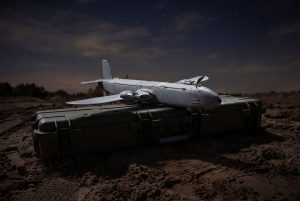


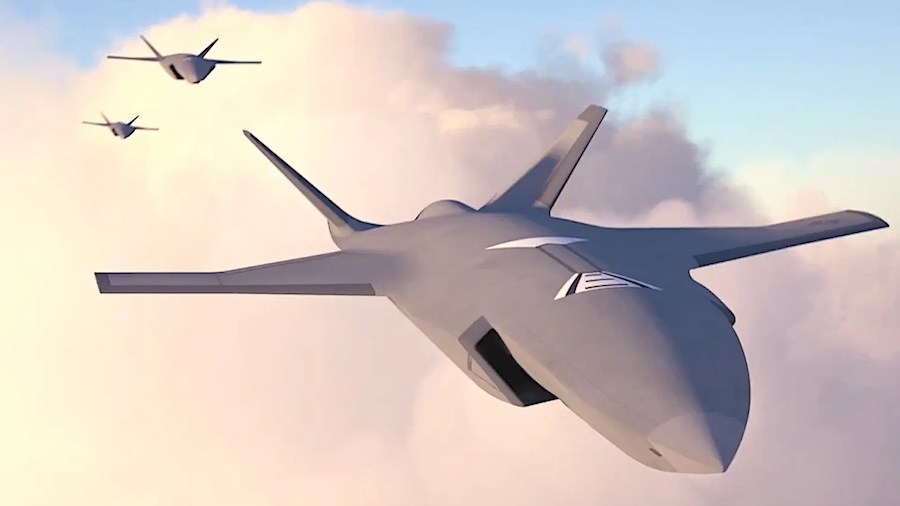
Boeing said the aircraft will also receive a wider wingspan, increased from 6 meters to 7.3 meters, to allow for greater fuel capacity and extended range, a key requirement for operations in the Pacific region. For the same reason, the company is considering adapting the drone for aerial refueling to further enhance its reach.
The MQ-28A Block 3 is planned as the successor to the Block 2 version currently being produced for the Royal Australian Air Force. Australia has ordered a total of nine Block 2 aircraft and previously acquired eight Block 1 systems configured as pre-production prototypes, although the Block 2 has yet to achieve operational capability.
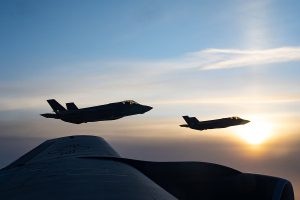
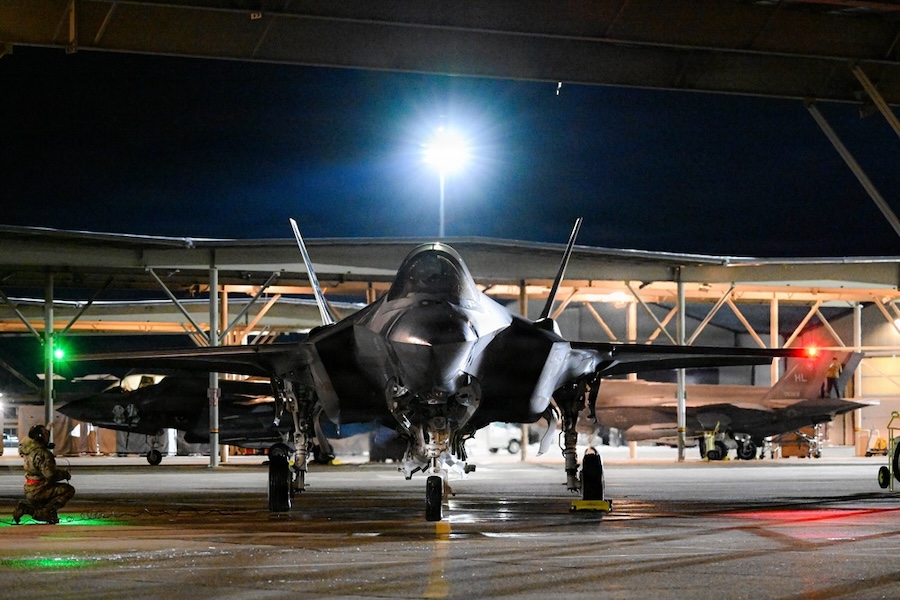
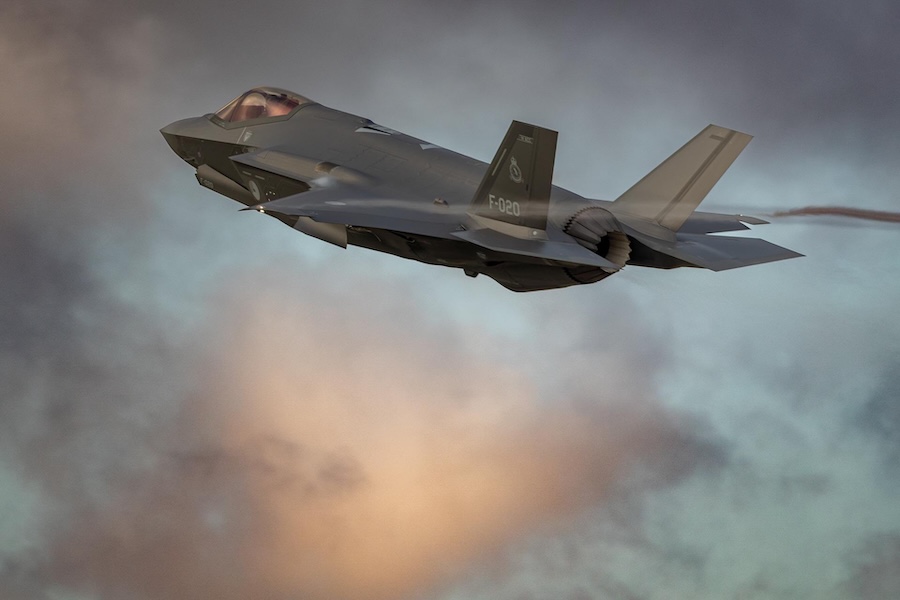
Boeing is also seeking customers for the MQ-28A beyond Australia, with potential buyers expected primarily in the Indo-Pacific region, while both the U.S. Air Force and U.S. Navy have expressed interest. The planned addition of an internal weapons bay and in-flight refueling capability is intended to make the aircraft more attractive for future operations alongside advanced combat aircraft, including fleets operated by services that fly F-35 fighters.
Earlier MQ-28A Block 1 and Block 2 versions were built with space for an internal weapons bay, but it was not used, and in late 2025 a Block 2 aircraft carried an AIM-120 missile on an external pylon during weapons testing. In those trials, the drone acted as a loyal wingman for a Royal Australian Air Force E-7A Wedgetail, supporting an F/A-18F Super Hornet in a networked engagement in which the MQ-28 operated autonomously during the final attack phase.