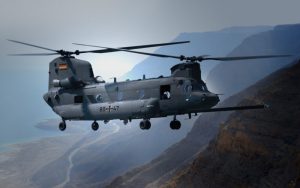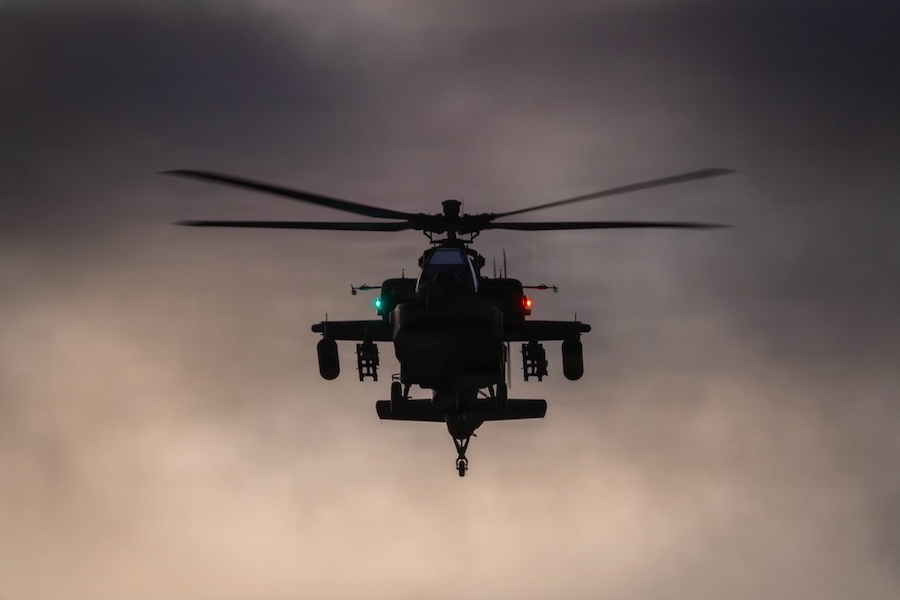


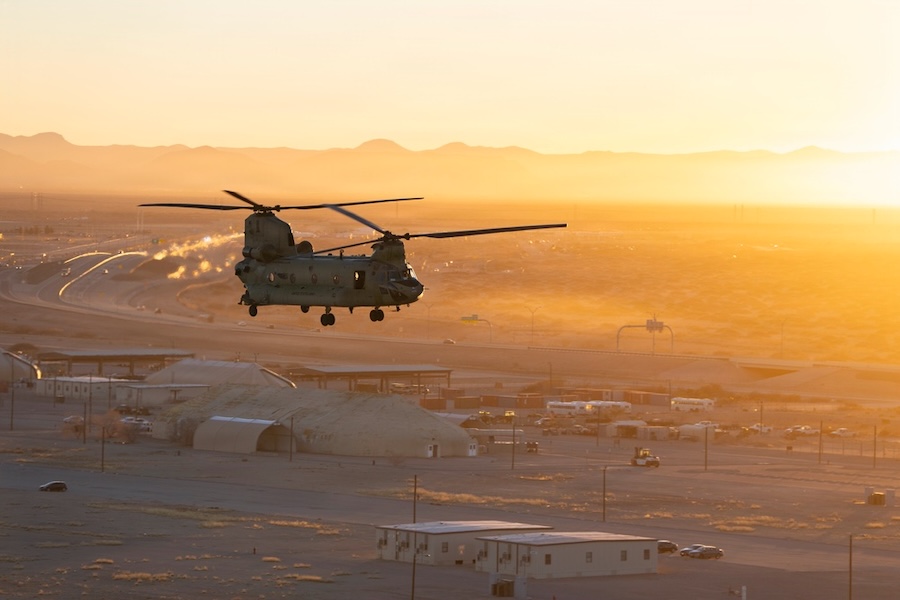
Work under the contract is scheduled for completion by the end of August 2031. The award forms part of ongoing low-rate production efforts to transition the CH-47F fleet to the updated Block II configuration.
To date, Boeing has delivered at least four CH-47F Block II helicopters. These aircraft have been assigned to units of the 101st Airborne Division for operational testing.
The tests were completed successfully, clearing the way for potential multi-year procurement agreements. The Block II upgrade is intended to enhance performance and support long-term fleet sustainment.
In addition to U.S. military requirements, Boeing has secured export orders for the upgraded platform. Early international customers include the United Kingdom, Germany and Japan.
The company is also continuing deliveries of the MH-47G Block II variant for U.S. special operations forces. These helicopters are part of broader modernization efforts across multiple mission sets.
According to U.S. Department of Defense plans, approximately 465 CH-47F Block I helicopters are expected to be upgraded to the Block II standard. The platform is also being offered for export, with additional potential customers under consideration.
The Block II configuration incorporates design improvements intended to support future operational requirements. These upgrades are expected to enable continued integration with next-generation aviation systems over the long term.