

“Our expansion plans across the St. Louis site triggered the execution of a multi-year strategic plan, requiring the relocation of some work,” said Dan Gillian, vice president and general manager of Air Dominance and senior St. Louis site executive. “Given we are already successfully conducting SLM at other locations, this move is logical so we can continue to meet our customers commitments while ensuring we are well poised for future work.”
Boeing is considering multiple sites to transfer the programme, with case studies beginning at San Antonio and Jacksonville. The company already conducts SLM work in San Antonio and at Fleet Readiness Center Southwest in San Diego in partnership with the U.S. Navy, while additional modification activity also takes place in Jacksonville, Florida.
The St. Louis region will remain a key production hub, hosting the F-15EX, T-7A and MQ-25 programmes as well as JDAM and other munitions lines. In March, the U.S. Air Force selected Boeing to design, build and deliver the F-47 sixth-generation fighter, with existing SLM team members expected to support these and other projects.
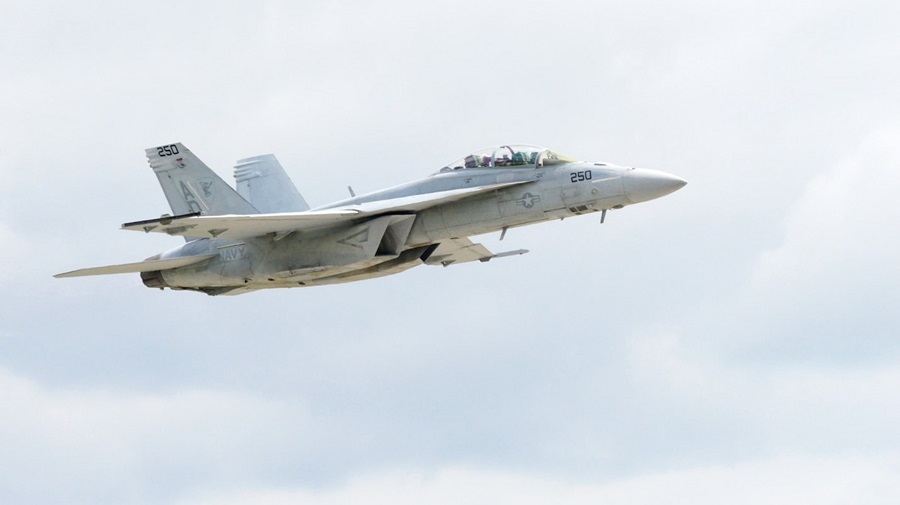
Super Hornet remains the backbone of the Navy’s strike fighter fleet, with SLM adding Block III capabilities and 4,000 flight hours to existing aircraft. Boeing said it has increased inductions each year since the programme began while reducing turnaround times, with the work projected to continue into the mid-2030s.
“We have worked with the Navy for years to improve SLM while growing in San Antonio and FRC Southwest. Delivering multiple fighters and capabilities from multiple locations is what we do, and we will continue that work on the Super Hornets for the life of the fleet,” said Mark Sears, Boeing Fighters vice president.