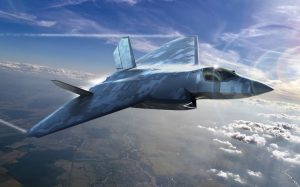


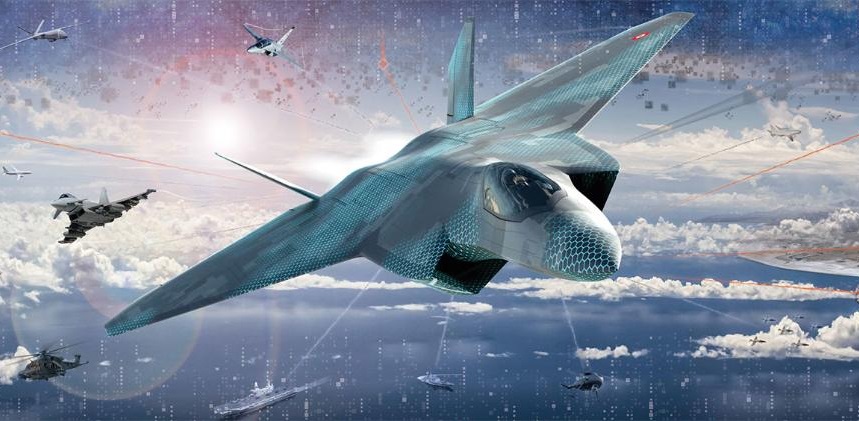
A decision on Canada’s inclusion is expected at a June 2026 meeting involving defense ministers from the United Kingdom, Italy and Japan. Observer status would enable Ottawa to explore potential participation in the development and procurement of next-generation combat aircraft.
Canada’s interest in GCAP comes amid broader efforts to diversify its defense partnerships. The move follows tensions with the United States over security and trade, including a review of Canada’s planned acquisition of F-35A fighter jets.
Officials have indicated that joining GCAP would complement, rather than replace, existing procurement plans. The initiative could support modernization of the Royal Canadian Air Force while strengthening ties with European and Asian partners.
Defense Minister McGuinty previously said Canada is considering deeper involvement in the program. His remarks followed the signing of a bilateral agreement with Japan to enable the transfer of defense equipment and technology.
The agreement provides a legal framework to “implement projects to be jointly determined, including those contributing to international peace and security.” It reflects growing cooperation between Ottawa and Tokyo in defense and technology.
Canada has also signaled interest in contributing to the GCAP program at an industrial level. In December 2025, Ralph Goodale, Canada’s High Commissioner to London, said participation would represent a “progression” rather than a replacement for the F-35 program.
Industry involvement could provide opportunities for Canadian companies in research and development. This includes potential roles in manufacturing components for future GCAP aircraft.
Analysts note that participation could enhance interoperability with allied air forces. It may also support long-term modernization efforts to replace Canada’s aging CF-18 fleet with advanced sixth-generation systems.
At the same time, concerns have been raised within Japan about expanding the program’s membership. Officials have warned that adding new partners could complicate decision-making and affect timelines.
Japan is already monitoring progress toward the program’s target of deploying its first aircraft by 2035. Additional participants could introduce differing requirements that need to be aligned.
Despite these concerns, Canada’s engagement is seen as a strategic step. It reflects efforts to strengthen international cooperation while maintaining flexibility in defense planning.
Observer status, if granted, would provide Canada with access to program information and collaboration opportunities. It could also signal Ottawa’s intent to play a more active role in future multinational defense initiatives.