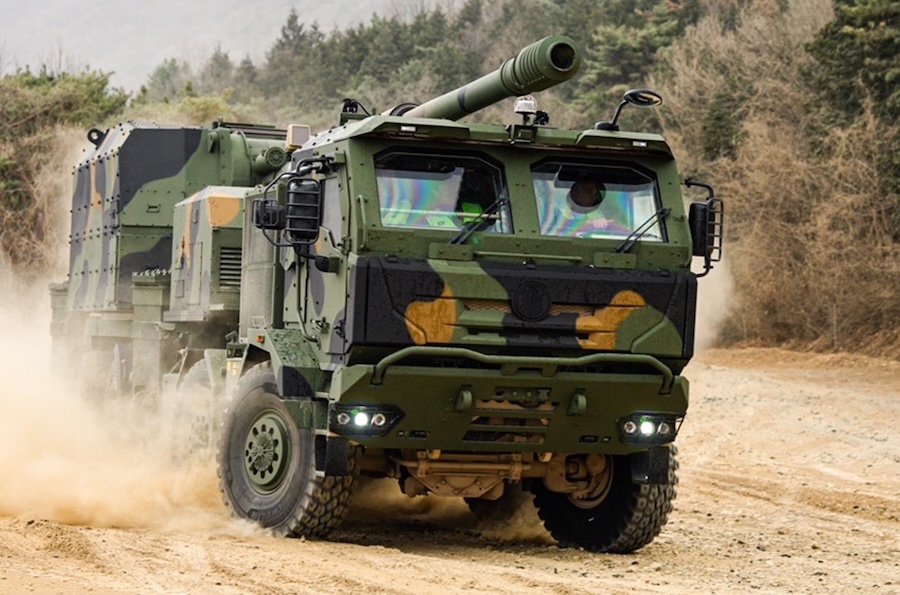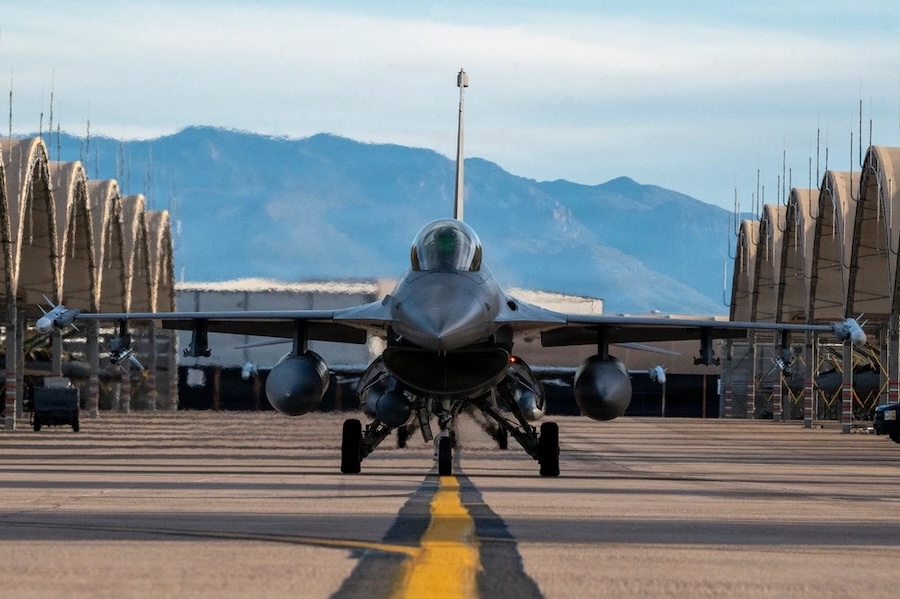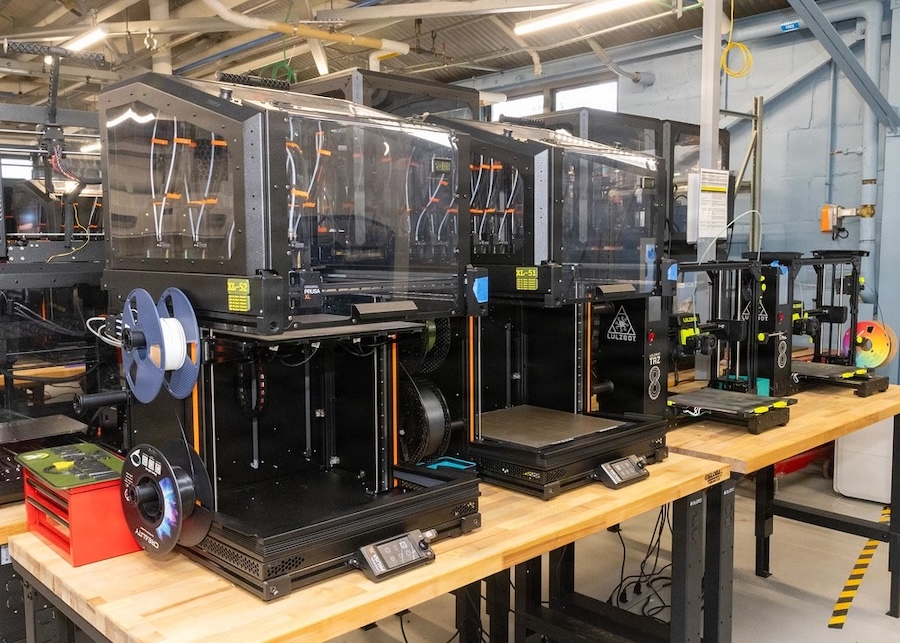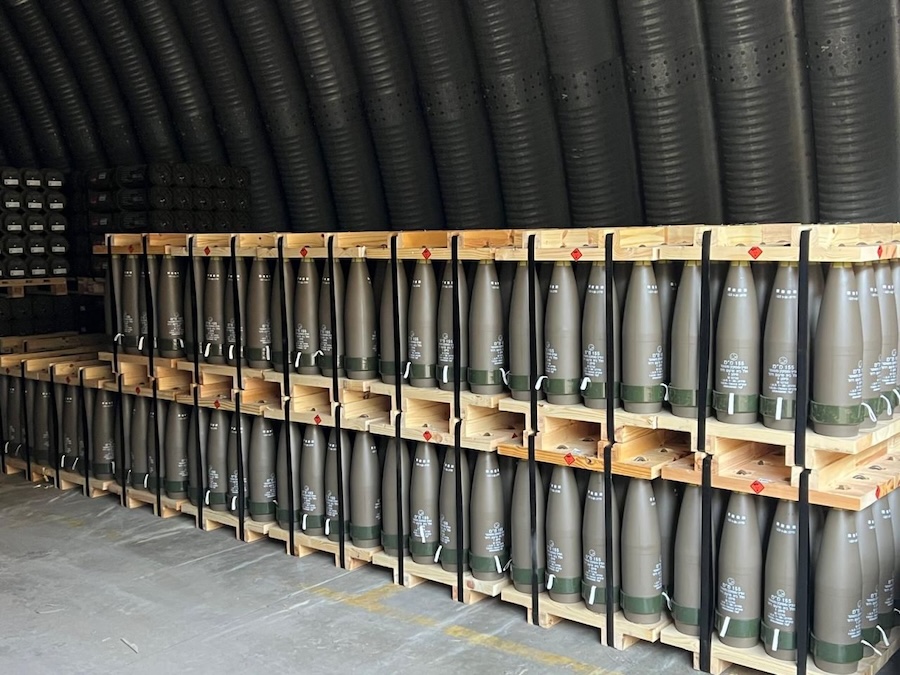


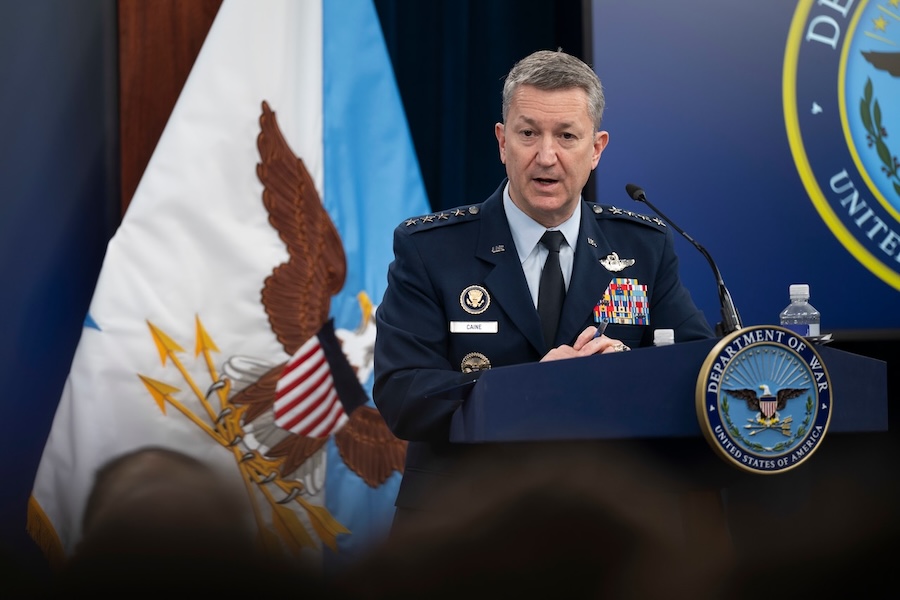
Caine said the military depends on a broad network of personnel producing weapons, platforms and systems. These capabilities are essential to enabling operational success on the battlefield.
“In every military option, we could not and cannot do our jobs without the men and women across our country who show up every day, around the clock, to a factory floor, a workshop, a laboratory, who build the weapons and capabilities we need to project American combat power at the time and place of our choosing,” he said.
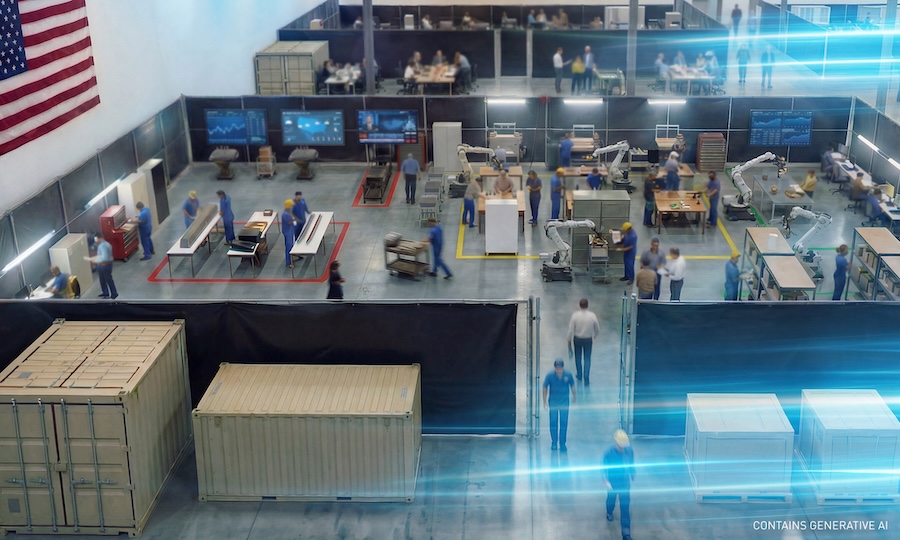
The general highlighted the range of roles within the industrial base. These include machinists, assembly workers, engineers and quality assurance specialists.
He noted that machinists operate advanced manufacturing equipment to produce precision components. Assembly workers integrate these parts into complex systems such as precision munitions and rocket motors.
Engineers are responsible for developing advanced platforms including aircraft and naval systems. Quality assurance personnel ensure that systems perform reliably under operational conditions.
“This can be and is tough and gritty work. It’s not a quiet office and a desk with paper — and there’s nothing wrong with that — but this is exactly the way this group of Americans like it. I know this,” Caine said.
He described the work environment as demanding and often hazardous. Tasks require sustained concentration and a strong commitment to precision.
“It’s hands-on work, where one uncaught mistake or deviation can put an American’s life at risk. A single misplaced wire, a microscopic flaw in a weld, an incorrectly calibrated sensor could mean the difference between mission success or mission failure, and [that] difference is measured in the lives of our sons and daughters,” Caine said.
“It’s not just their manufacturing skill; it’s their innovative minds and their entrepreneurial spirit,” he added.
Caine also pointed to the technological outputs of the industrial base. These include advanced systems such as stealth aircraft, bombers and naval vessels.
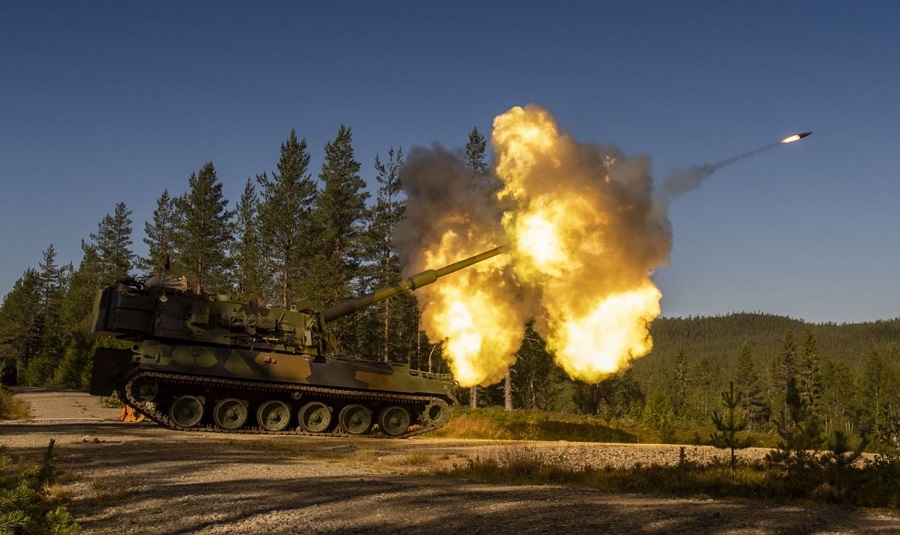
“These innovators, these workers, these incredible Americans, don’t get the same glory as a fighter pilot returning to a carrier deck at night or an artilleryman sending rounds downrange. And yet, they show up every single day, and without them, we could not do the work that we are tasked to do,” he said.
He also acknowledged contributions from workers in the military’s organic industrial base. In addition, he thanked personnel in allied and partner nations supporting defense production.
Officials said the remarks reflect ongoing efforts to recognise the importance of the industrial workforce. The sector remains central to maintaining readiness and sustaining military capability.