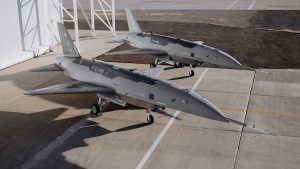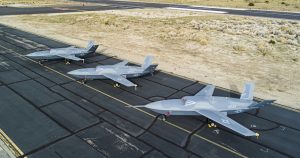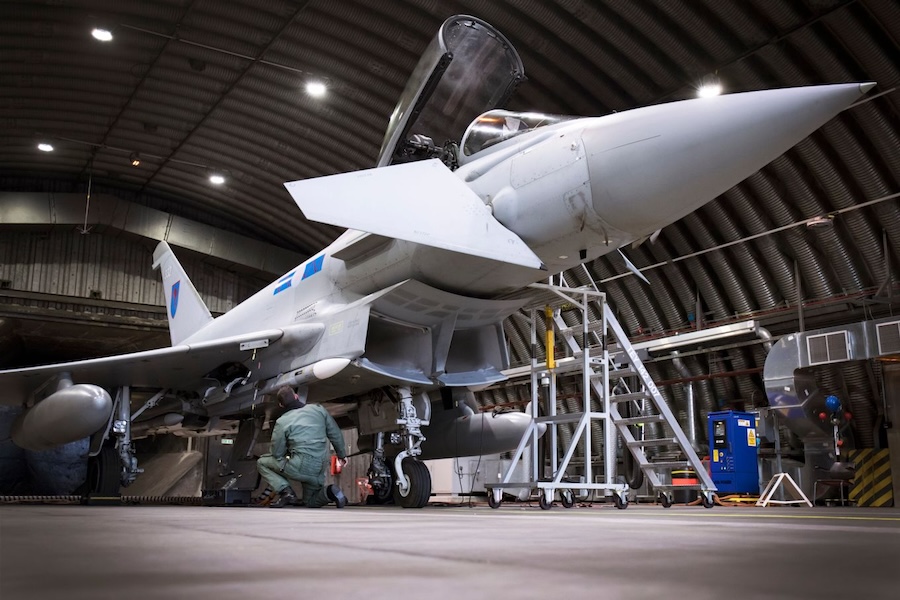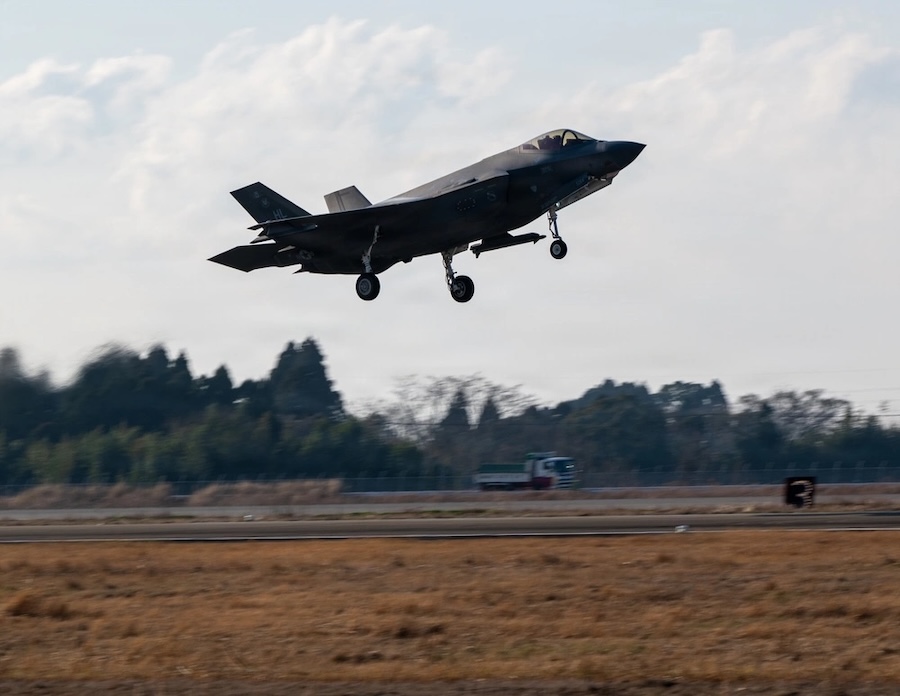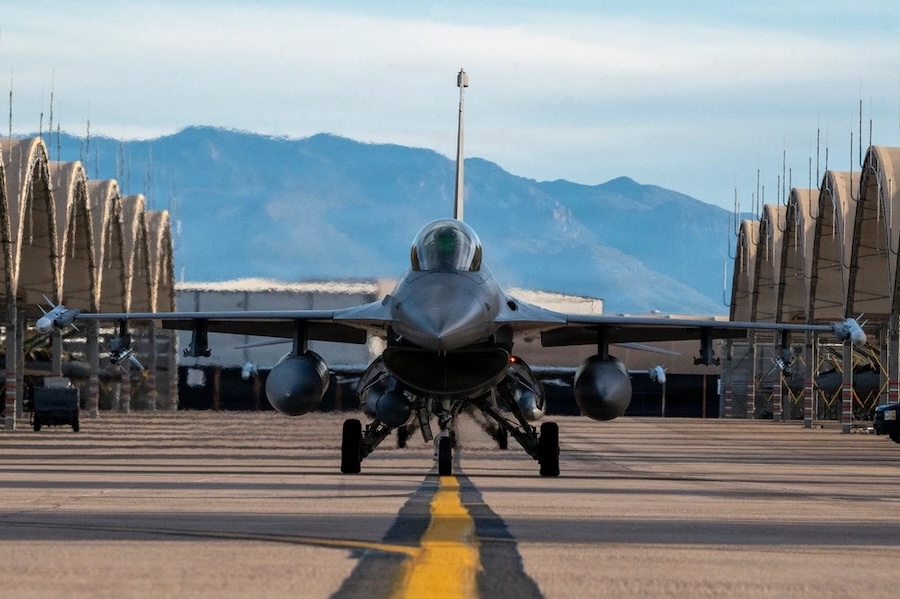


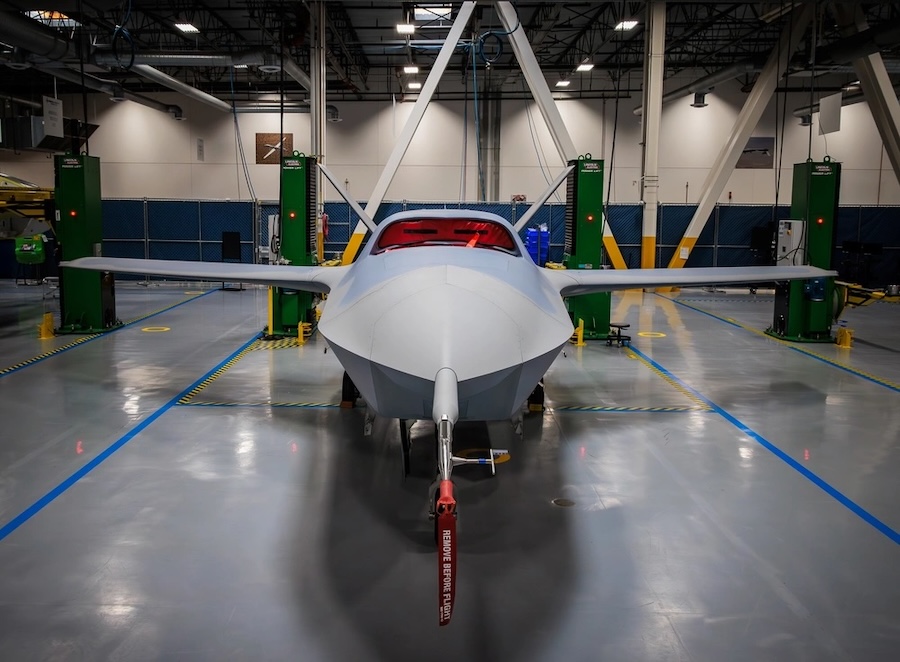
The flight test paired the uncrewed aircraft with crewed fighter jets to enhance sensor range, increase weapon effectiveness and improve overall mission success. The demonstration was conducted in support of the U.S. Air Force’s Collaborative Combat Aircraft, or CCA, program.
During the test, autonomy mode was engaged to enable a four-hour autonomous flight managed by a human operator on the ground. Collins said the flight showcased seamless integration between its autonomy software and the YFQ-42A’s mission systems, ensuring precise piloting commands.
The company described the milestone as a significant step forward in support of the Air Force’s efforts to advance the CCA program. Collins said its Sidekick solution enables open systems collaboration between human teams and autonomous platforms.
“The rapid integration of Sidekick onto this platform to perform various combat-relevant tasks highlight the strength and adaptability of Collins’ open systems approach,” said Ryan Bunge, vice president and general manager for Strategic Defense Solutions at Collins Aerospace. “The autonomy capabilities showcased in this flight highlight nearly a decade of dedicated investment and close collaboration with our customers to advance collaborative mission autonomy.”
Collins said Sidekick is designed for combat-related air operations and is built to be intuitive for pilots. According to the company, the software adjusts to the pilot’s working style and mission specifics.
Collins Aerospace was selected by the U.S. Air Force to support development and testing for the Collaborative Combat Aircraft, Increment 1 program. The company said the recent flight demonstrates continued progress under that effort.