The report notes that while the U.S. government has no formal definition of artificial intelligence, policymakers generally describe it as computer systems capable of human-level cognition, with current military use focused on narrow AI. Narrow AI is already being applied in intelligence, surveillance, logistics, cyber operations and autonomous vehicles, offering faster decision-making and new concepts of operations, while also introducing risks such as algorithmic bias that could affect military outcomes.

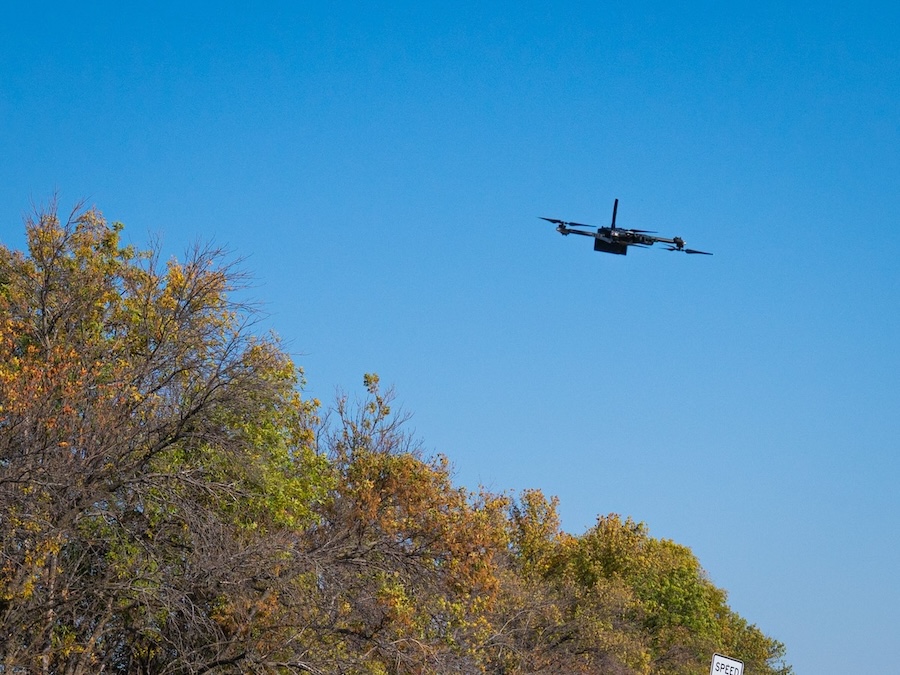
Lethal Autonomous Weapon Systems are defined as weapons able to identify and engage targets without human control, potentially operating in communications-denied environments. Ethical concerns remain significant, with then Vice Chairman of the Joint Chiefs of Staff Paul Selva stating in 2017, “I do not think it is reasonable for us to put robots in charge of whether or not we take a human life,” while no legal bans currently exist despite calls from around 30 countries for a pre-emptive prohibition.
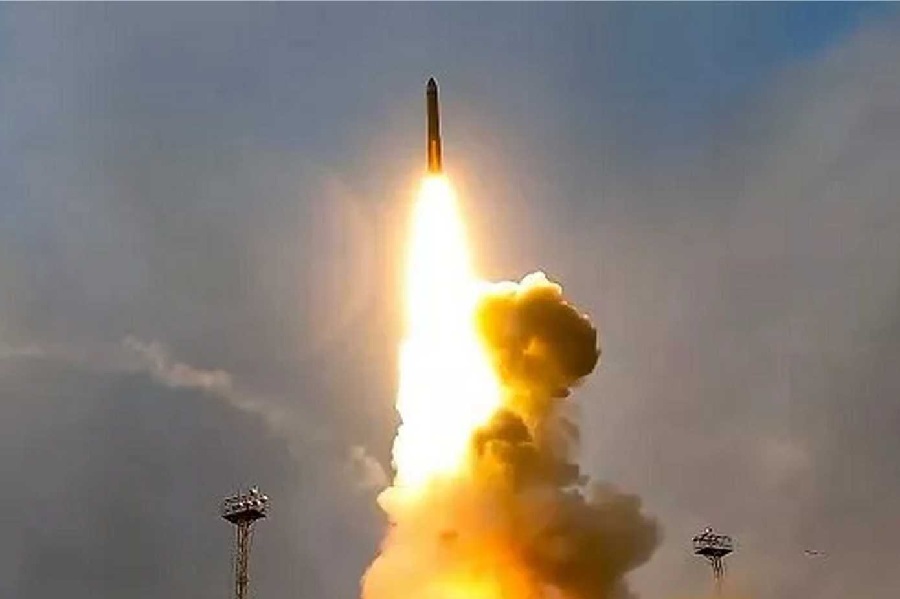
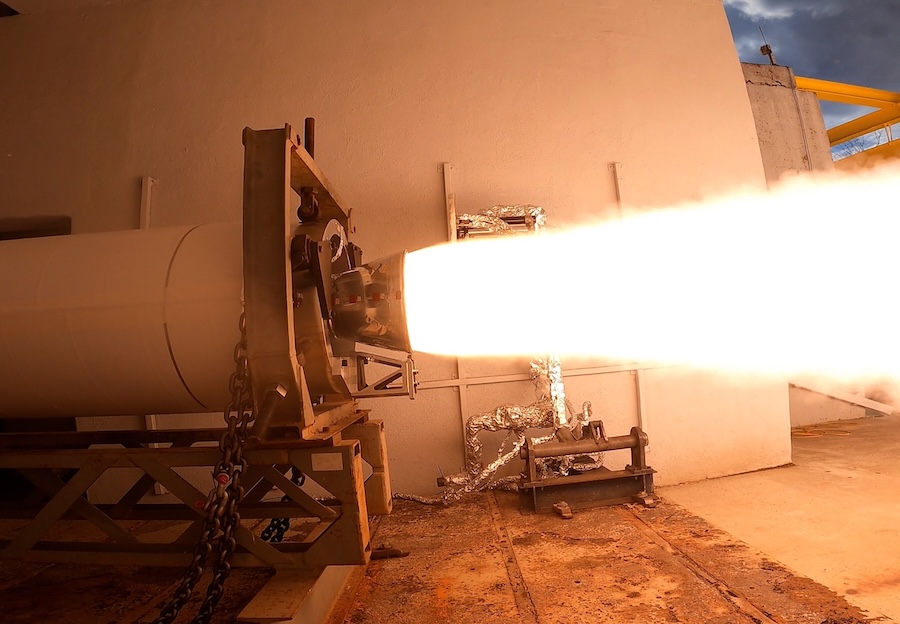
Hypersonic weapons, which travel at speeds of at least Mach 5 and can manoeuvre during flight, are described as difficult to defend against, with no operational defence systems currently available. The report says Russia and China have already fielded such weapons, while the United States has not, and analysts remain divided on whether these systems significantly increase the risk of miscalculation or escalation.
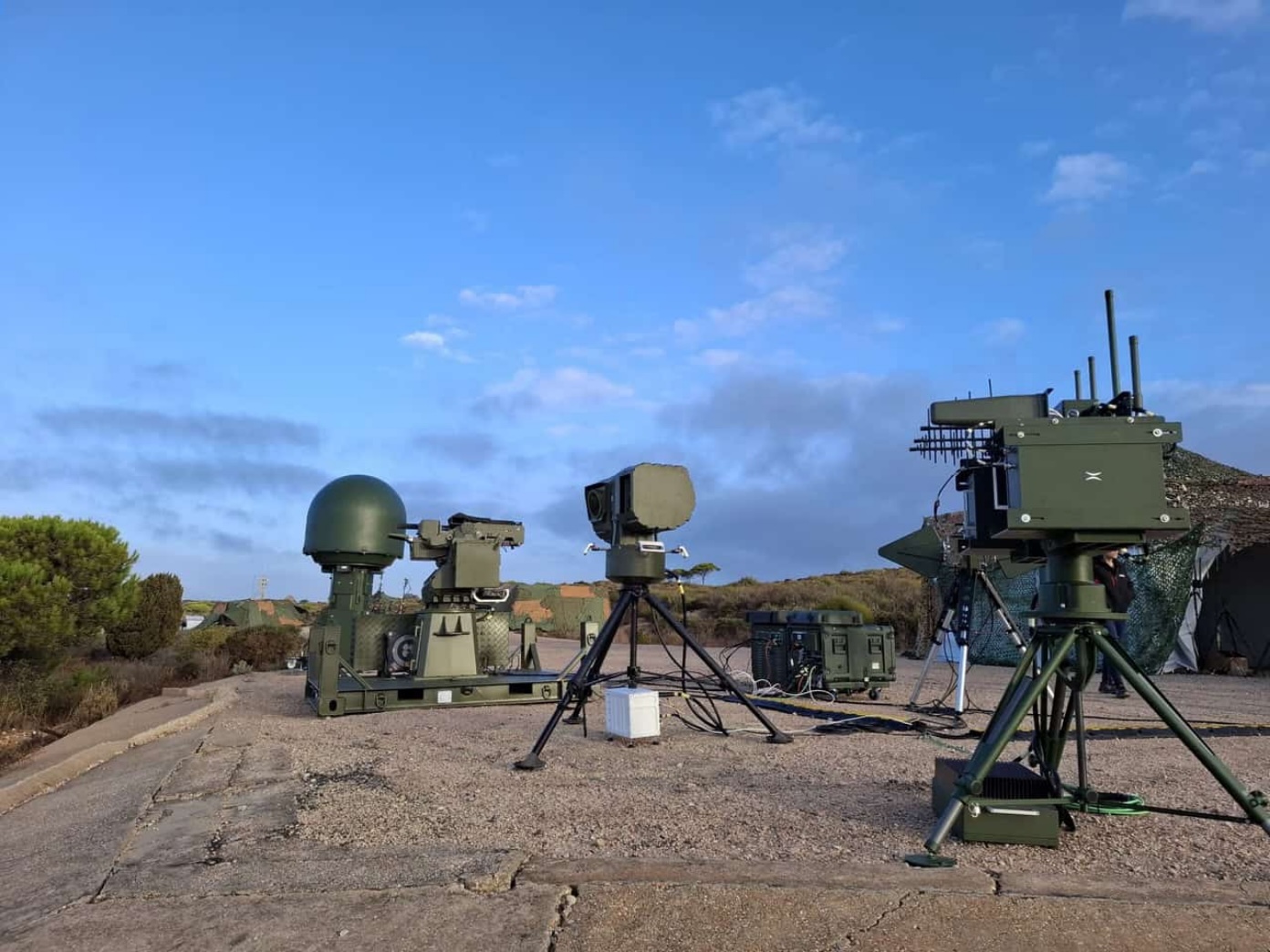
Directed energy weapons, often referred to as lasers, are highlighted for their potential low cost per shot and ability to counter missile salvos and uncrewed systems. The report also notes that high-powered microwave weapons could disable electronics without kinetic force, though previous non-lethal crowd control systems were recalled due to ethical and operational concerns.
Biotechnology is identified as another area of concern, with a Government Accountability Office report stating that US departments assess tools such as CRISPR-Cas9 could “alter genes or create DNA to modify plants, animals, and humans.” The report warns that such technologies could be used to enhance or degrade military performance and that adversaries may face fewer ethical constraints.
Quantum technology is described as immature for most military uses but potentially transformative for encryption, sensing and stealth. According to assessments cited in the report, “quantum communications could enable adversaries to develop secure communications that US personnel would not be able to intercept or decrypt,” while quantum computing could allow access to sensitive information, despite ongoing technical challenges related to system fragility.
Source: Congressional Research Service.