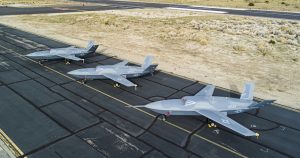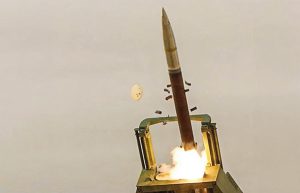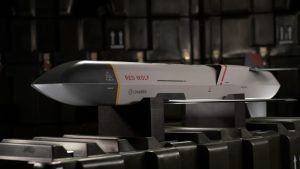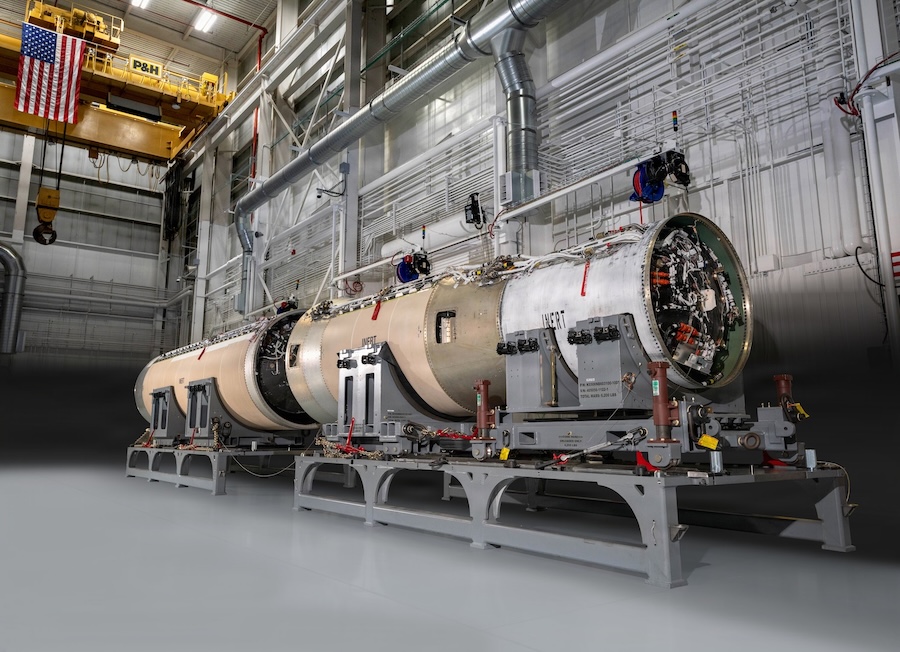
Recent progress includes full-scale wind tunnel tests and successful trials of the vehicle’s parachute recovery and weapons-release systems. These achievements mark key steps toward an integrated flight test campaign planned as early as the end of 2026.
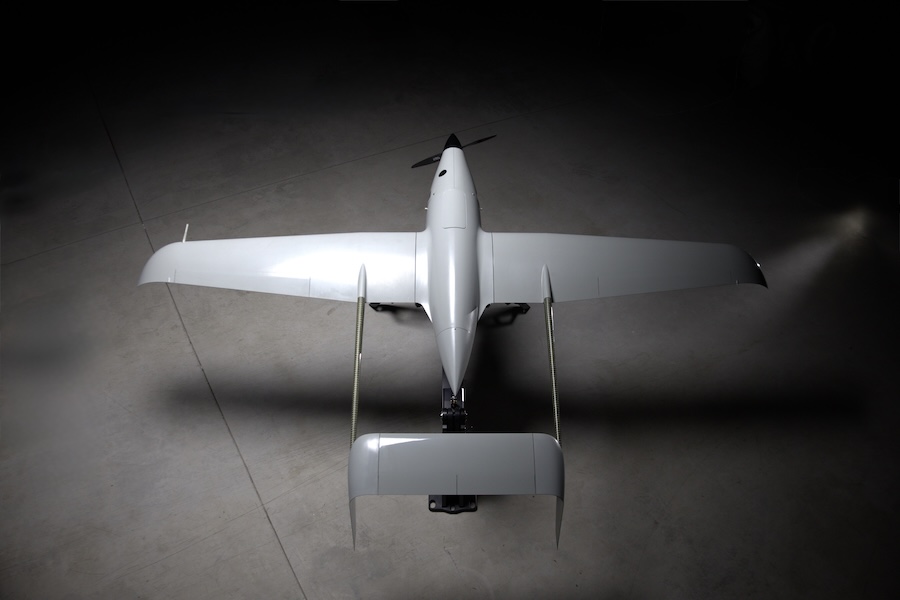
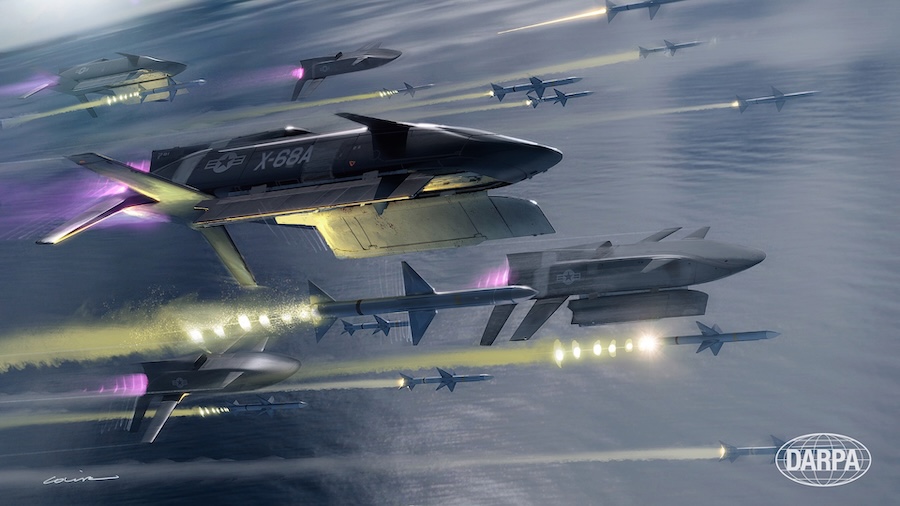
The LongShot concept centers on an uninhabited aircraft launched from a larger platform that can fly ahead of follow-on forces and engage enemy targets with its own air-to-air missiles. By extending combat reach while allowing crewed fighters to remain farther from the front lines, the system is designed to increase pilot safety and enhance overall mission effectiveness.
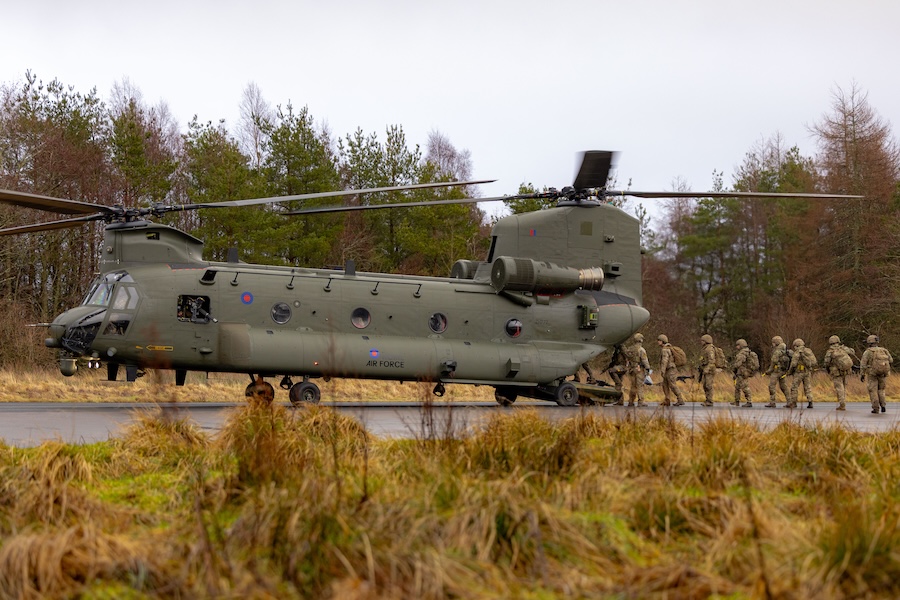
The platform is intended to be host-platform agnostic, allowing integration onto fighters, bombers or deployment as a palletized munition from mobility aircraft. Such flexibility is expected to support joint and allied air forces operating across shared theaters, including close coordination between U.S. and Royal Air Force units.
“LongShot burns down significant technical risk and presents a viable path for the military services to increase air combat reach and effectiveness from uninhabited, air-launched platforms,” said Col. John Casey, DARPA LongShot program manager. “With the help of our partners, we’ve completed critical milestones necessary for the integrated flight test campaign, which will validate vehicle performance and lay the foundation for efficient follow-on development.”
The program draws on expertise from multiple U.S. government organizations, including the U.S. Air Force’s Arnold Engineering Development Complex, Life Cycle Management Center, F-15 Program Office and 96th Test Wing, as well as the Air Force Research Laboratory. Additional contributors include the Naval Air Warfare Center Aircraft Division, the National Aeronautics and Space Administration and several U.S. Army research, development and test centers.
Ground and integration testing are now underway as the program builds toward demonstrating the safe and effective employment of the X-68A from an F-15. The upcoming flight tests are expected to confirm the vehicle’s airworthiness and demonstrate its ability to safely eject a captive sub-munition.
By advancing the X-68A toward operational validation, DARPA and its partners are working to establish a new model for air-launched, uninhabited systems. The program’s progress signals a potential shift in how allied air forces, including the Royal Air Force operating alongside U.S. counterparts, could extend combat reach while reducing risk to aircrews.