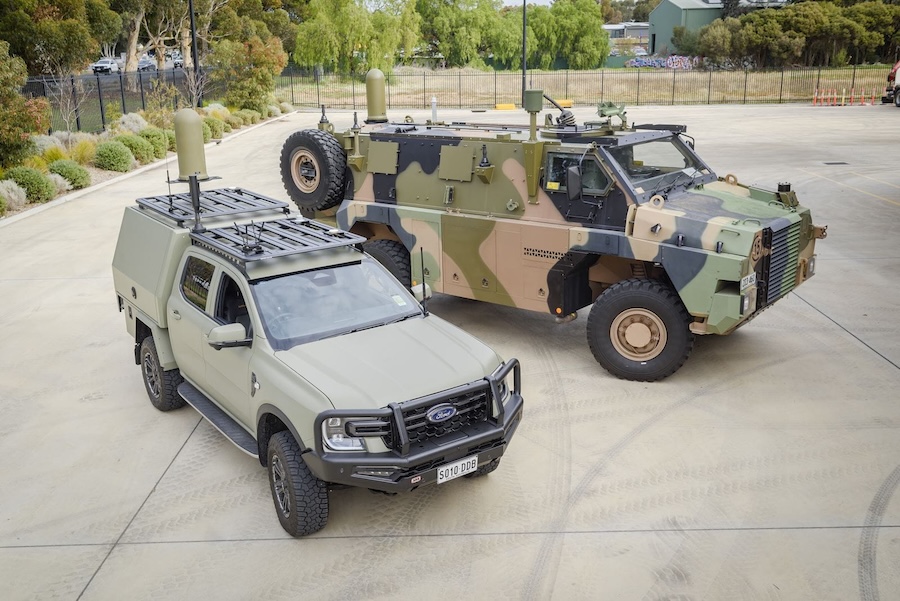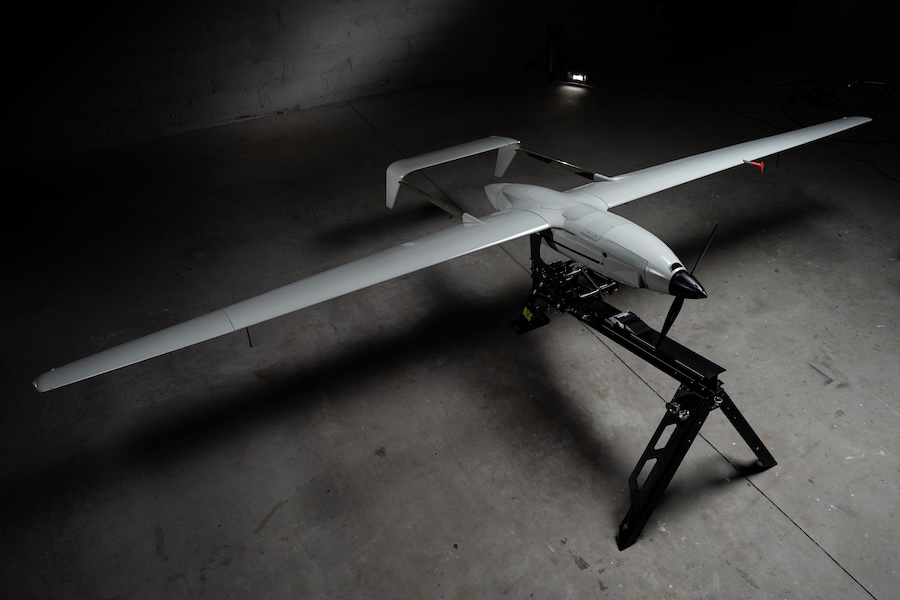



There are two main drivers of this shift. Four years of war in Ukraine have many European nations feeling some urgency to be well prepared for a potential spread of the conflict across borders. Also, there is increased pressure for all NATO members to not only meet their required 2% of GDP contributions, but to increase that to 5% in assuming greater responsibility for their own national security. These drivers are refocusing both nation state policy approaches and a greater collective NATO desire for industry to help meet the moment.
An economic and a paradigm shift
The new NATO security dynamic is powering considerable economic activity. As countries accept that they are going to be spending more on their own protection, they want to make as much of their investment as possible at home. Doing so supports sovereign industry, benefits taxpayers and also creates local jobs.
This requires changing both policy and mindsets. Typically, industry receives a demand signal from government organizations as to what capabilities they want. At that point, commercial entities feel confident that making a significant investment in research and development and bringing an innovation to market is a safe enough bet to take. Those entities then deliver. The cycle repeats as new requirements emerge.
This moment is different. While there is widespread interest in defence spending, there is also some ambiguity about what exactly is needed or even possible. Now, NATO members are seeking collaborative partnership with the private sector, urging proactive ideation and innovation to maintain operational advantage. While understanding the commercial sensitivity to risk, there is a tacit undercurrent that the need is real, money will be spent and innovation investment will pay off.
This significant change in the traditional dynamic between government and the private sector expands possibilities for incumbents and creates openings for newcomers, but also requires somewhat of a leap of faith.
Space as an exemplar
The space market offers a useful model for what is possible. For several years, space has been at the forefront of commercial integration in delivering national defence and security effects. The difficult, high cost and resource-intensive nature of space development has led a growing number of governments to increasingly leverage commercial space capabilities for military operations.
NATO members, faced with strategic decision-making about hardening their defensive posture, must choose carefully where precious tax dollars are spent. With space, the traditional leaning for government to build its own is frequently being superseded by the practicality of buying commercial innovation and redirecting budget toward mission operations. Fortunately, symbiotic consortia, exemplified by companies such as Airbus, Thales Alenia and OHB SE, already show that a cross-national model with close allies can successfully fill the need. While space has always been strategic, it is now a clarion call for other sectors to follow suit.
A moment for assurance, and trust
As NATO members face new uncertainty and risks, member state governments are encouraging industry to lean forward and propose innovative ways to meet their defence requirements. NATO’s 2025 Rapid Adoption Action Plan states that “to adopt new technological products and services at the speed of relevance, Allies recognise that some acquisition and procedural risks need to be an inherent part of innovation and rapid adoption processes to iterate, fail fast and reward agility and flexibility.”
This presents forward-thinking businesses with a unique opening to be far more involved in the delivery of national security effects than ever before.
There is an urgent need for industry to recognize that the paradigm has shifted. The winners will be those who position themselves as true mission partners, and step up to a new standard that enables the modern warfighter and protects their home and neighboring countries―while also seizing an unprecedented business opportunity.