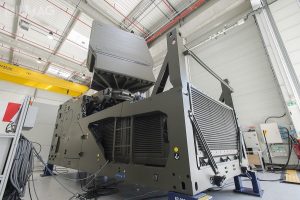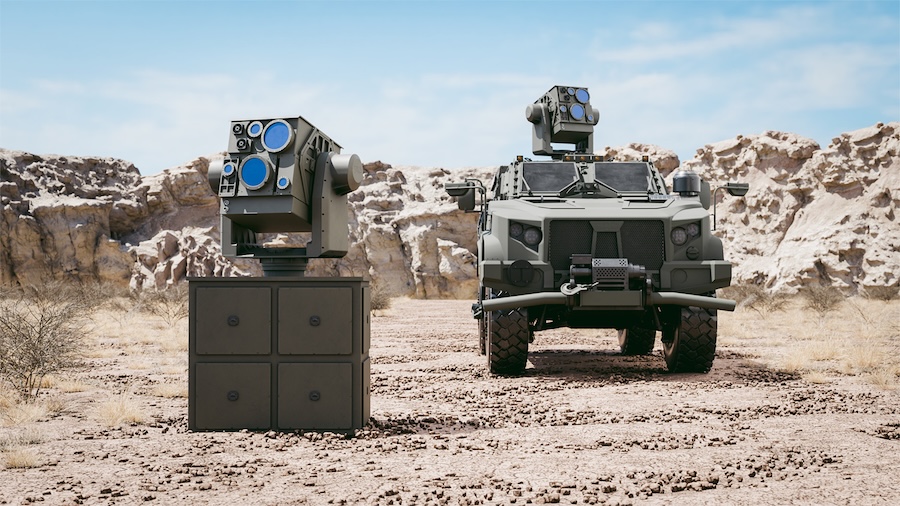


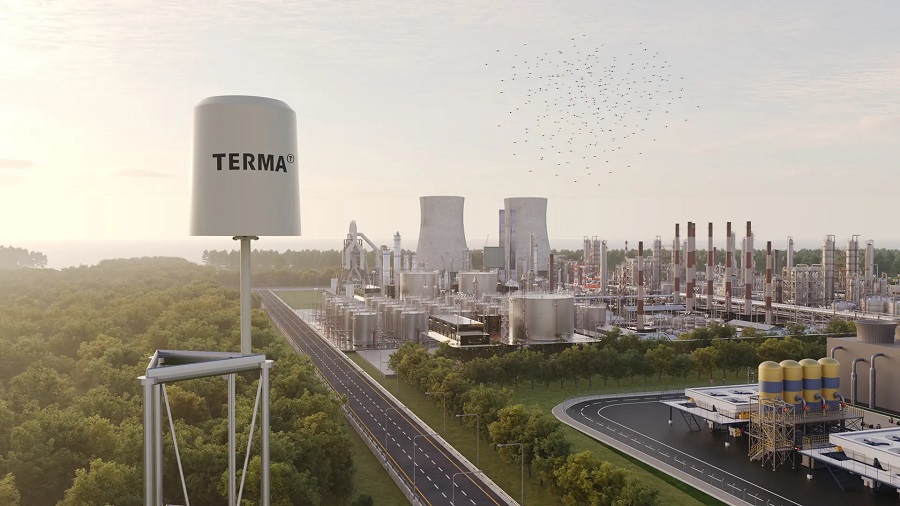
The solution combines SCANTER radars with Ultra-High Definition Electro-Optical and Infrared cameras equipped with embedded AI models. Fixed and taskable cameras are integrated into Terma’s situational awareness systems, fusing data in real time to deliver a single operational picture.
“Hybrid threats require hybrid solutions, delivered with flexibility and speed,” said Jesper Bøhnke, EVP and Chief Technology Officer at Terma. “This is not about deploying one sensor or one radar. It’s about a next generation integrated approach that fuses data from multiple sensors and domains into a single operational picture – this is the only viable way to detect, classify, and respond before critical operations are disrupted.”
The system is built for rapid deployment and continuous operation, maintaining resilience during daily use and scaling in times of crisis. It can detect and track small, low-RCS drones even in cluttered environments, helping operators manage hundreds of targets simultaneously.
“Recent incidents prove that even small drones can disrupt critical operations,” Jesper Bøhnke added. “Where many other systems stop at merely detection, our approach merges all data, stores all sensor data for forensic analysis hereby enabling operators to learn, adapt, and improve resilience. With deployment now underway, we are advancing Denmark’s ability to secure vital infrastructure and services and keep essential services running.”
The rollout follows years of cooperation with Danish and NATO partners and reflects Terma’s wider initiatives with national authorities to address evolving drone threats. It leverages the company’s long-standing expertise in radar engineering, sensor integration, and mission-critical support.