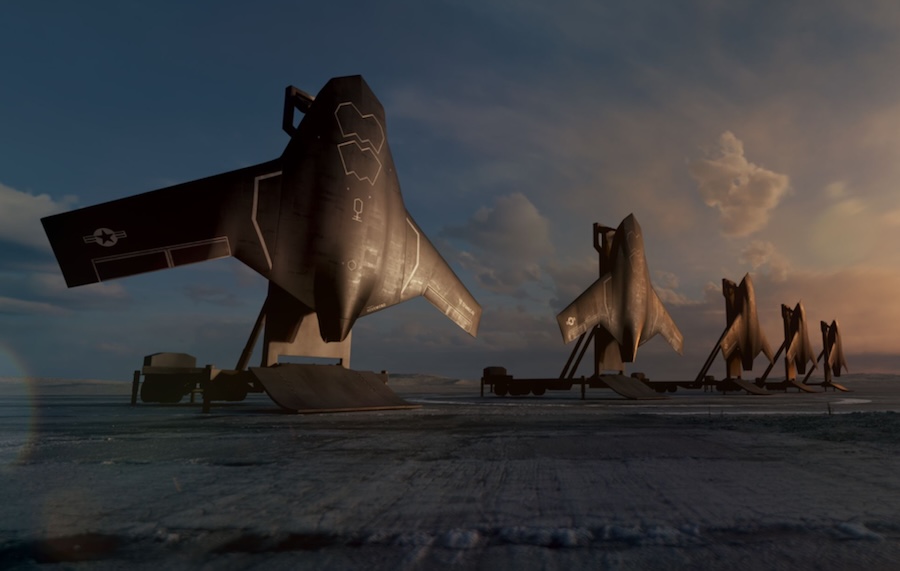


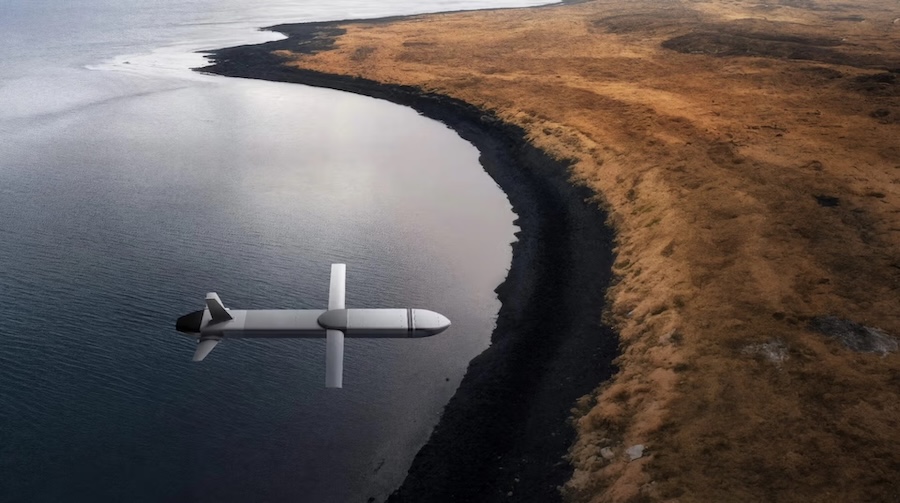
The earlier version of the Ruta missile is produced at Destinus facilities in the Netherlands and Spain and has been in use by the Armed Forces of Ukraine since 2024. The scale of production and operational use has not been disclosed by the company.
Work on the Block 2 variant focused on improving performance, with range increased from 450 km to 500 km and the warhead mass raised from 150 kg to 250 kg. While this likely resulted in increased size and weight, the missile’s dimensions have not been made public, and the price is still described as attractive.
Ruta Block 2 can be equipped with three types of warheads: high-explosive, penetrating and hybrid, allowing it to strike fortified structures, armoured vehicles and troop concentrations. The guidance system uses multiple navigation methods that have not been disclosed, but the targeting process is supported by artificial intelligence and is resistant to electronic warfare.
This represents a significant improvement over the original Ruta missile, which relied on inertial navigation with limited accuracy and a GPS system that was more precise but vulnerable to jamming. Low-altitude flight further reduces the risk of detection and interception, while the missile is said to be compatible with “allied launchers” and capable of operating in swarms, with improvements driven by operational experience from Ukraine and ongoing technological progress.