

Fiber-optic first person view drones have become widely used in contested environments, particularly in Ukraine, where they are employed daily for attack and intelligence, surveillance and reconnaissance missions. Unlike conventional unmanned aerial systems, these drones rely on fibre-optic cables rather than radio frequency links, making them immune to jamming, spoofing and other traditional electronic warfare countermeasures.
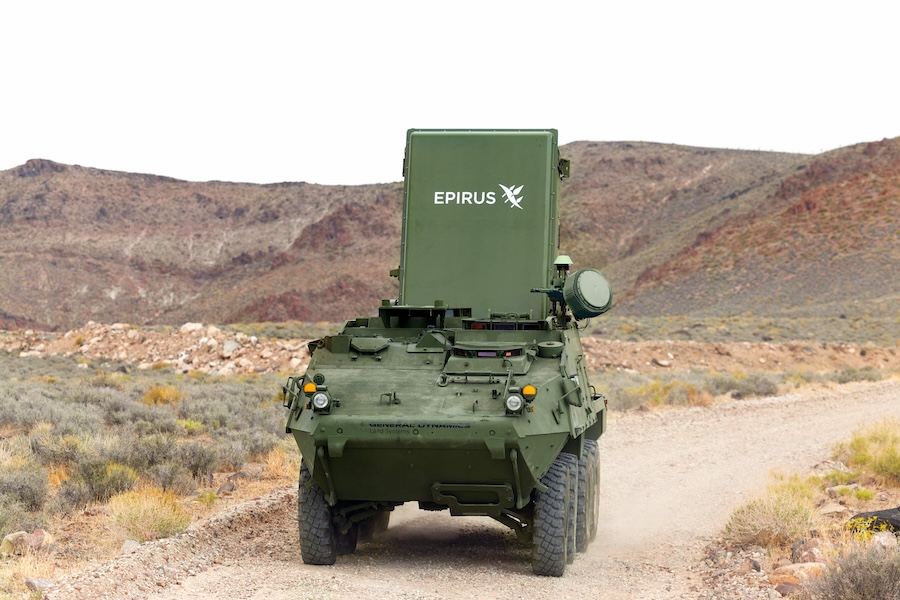
According to Epirus, the Leonidas platform defeats such drones by delivering precise, software-defined electromagnetic interference that disables critical onboard electronics without kinetic force or radio frequency disruption. The system uses non-ionising radiation, is designed to be safe for humans when used as intended, and allows operators to influence a target’s drop zone to reduce collateral damage.
Ukrainian Deputy Prime Minister and Minister for Digital Transformation Mykhailo Fedorov has stated that Russian forces are deploying fibre-optic drones with ranges of up to 31 miles, describing them as “a very considerable threat to logistics and personnel.” A United States Army analysis from August 2025 similarly assessed these systems as “pos[e] a significant counter-UAS challenge” and “extremely difficult to detect and target.”
Andy Lowery, Chief Executive Officer of Epirus, said: “The proliferation of fiber-optic guided UAS represents a major shift in drone warfare and exposes a growing operational gap for counter-UAS defenses — one that Leonidas is designed to address and close.” He added: “Leonidas’ ability to defeat this new class of threat represents an important breakthrough in safe, non-kinetic defense against emerging drone tactics and reinforces Epirus’ leadership in scalable, one-to-many counter-UAS platform development.”