

“Last year was a good year from the viewpoint of force creation. We were able to meet 100% of last year’s procurement plan, and I can assure everyone that the defence sector has a clear plan on how to further strengthen Estonia’s defence capabilities, value the people who defend our state and develop the local defence industry,” said Defence Minister Hanno Pevkur. Estonia’s defence spending will reach €2.4 billion in 2026, or 5.43% of GDP, nearly four times the 2021 level before Russia’s full-scale invasion of Ukraine, with 37% of the 2026–2029 budget allocated to procurement and a further 25% to ammunition.
“The threat posed by Russia to Estonia and the West is forcing countries to arm themselves and increase their defence capabilities in every possible way. The Defence Forces have decisively and rapidly increased their combat capabilities during the full-scale war launched by Russia, both through the acquisition of new systems and ammunition and through the implementation of conceptual approaches seen in the Ukrainian war,” said Lieutenant General Andrus Merilo, Commander of the Defence Forces. “The rapid development of defence capabilities will continue in the coming years. Given the aggressive nature of our neighbouring country, the development of military capabilities is of critical importance to Estonia at the moment.”
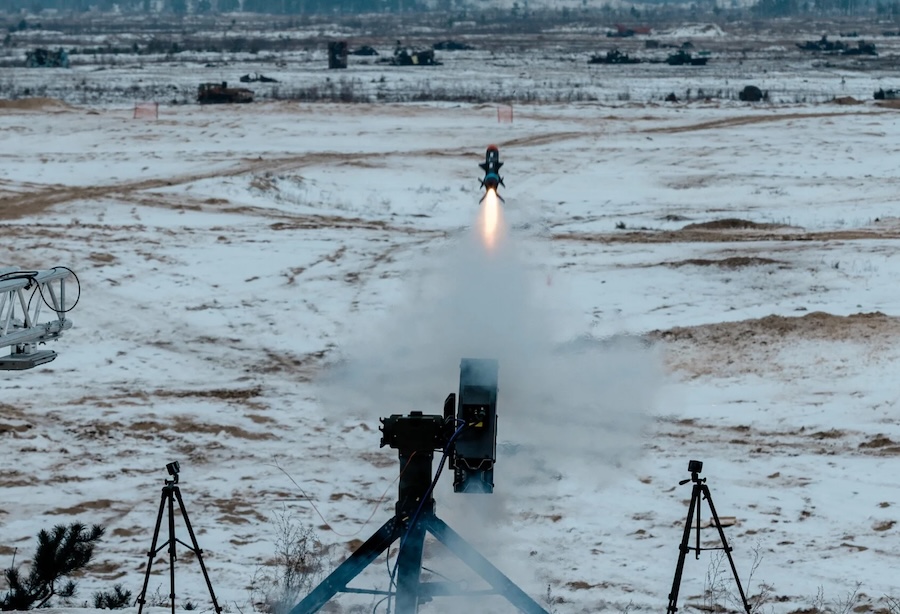
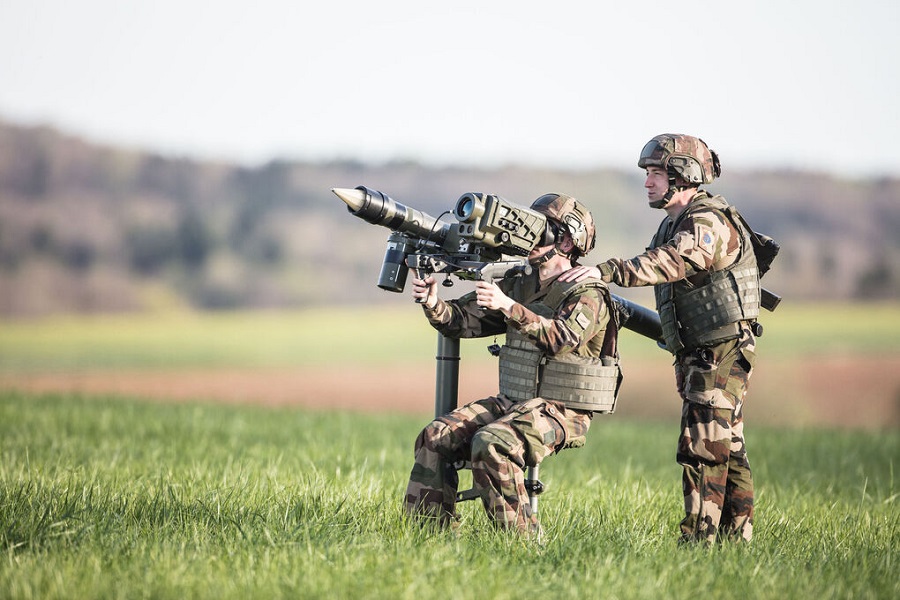
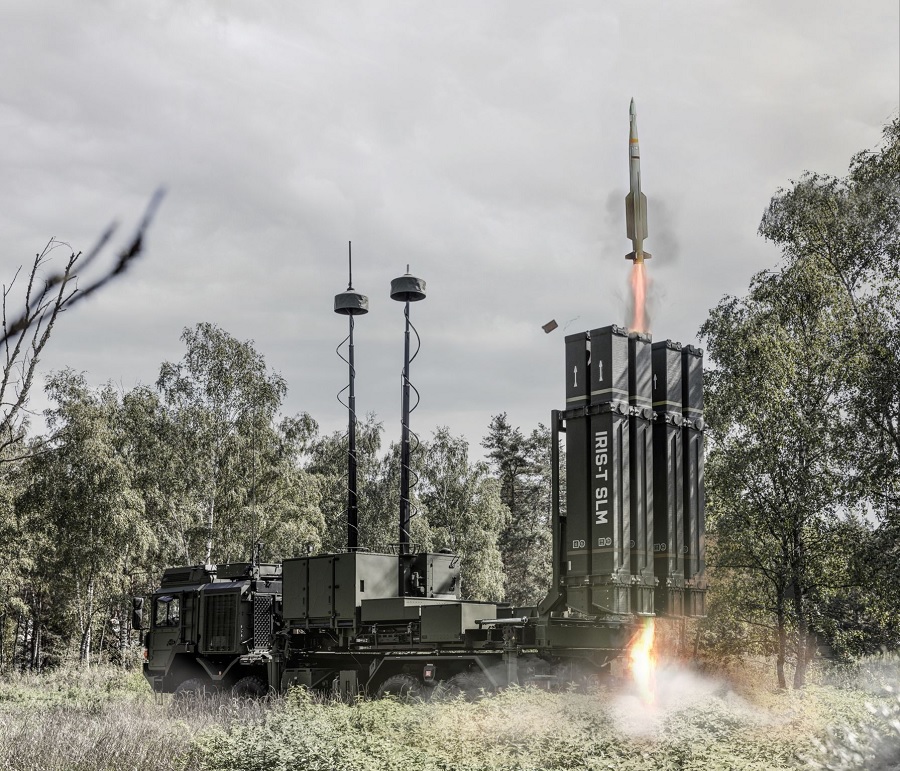
In 2026, Estonia will receive a medium range air defence system procured jointly with Latvia from a German manufacturer and tested in Ukraine, capable of intercepting aircraft at a range of around 40 kilometres and at altitudes of 20 kilometres, while short range air defence will be reinforced with additional Piorun launchers and ammunition. Drone surveillance will be enhanced with an acoustic detection system, countermeasures will be developed, and additional drones and air raid ammunition supplied.
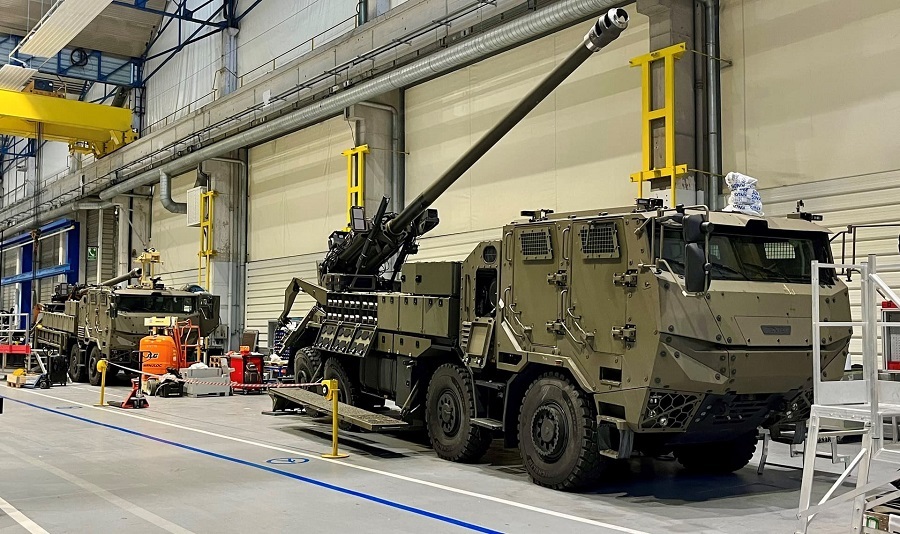
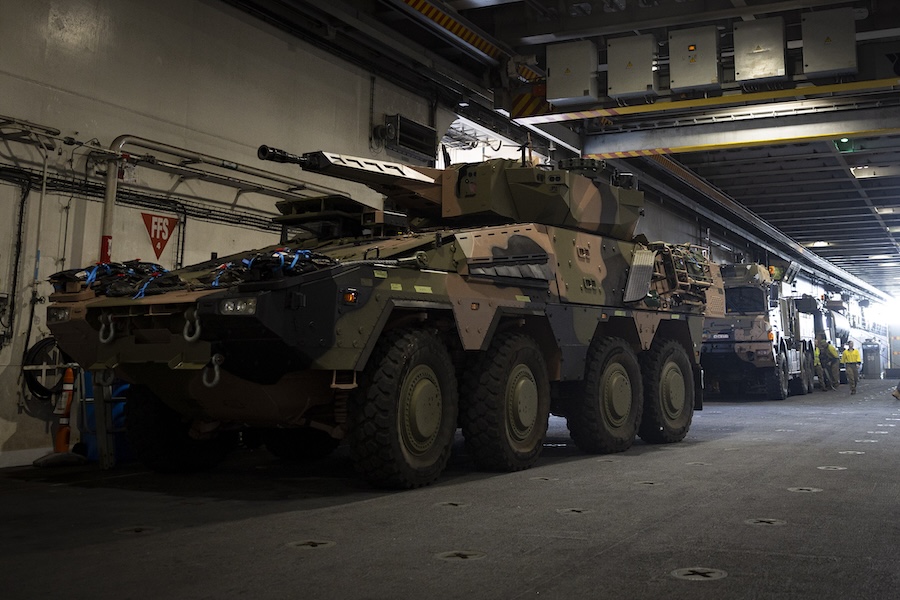
To strengthen long-range strike capability, Estonia will increase its fleet of K9 self-propelled guns to 36, supplement its existing wheeled Caesar systems, maintain HIMARS deployments and continue ammunition procurement, while also acquiring additional Chunmoo multiple rocket launchers from South Korea. “The task of the ECDI is to acquire and deliver on time the priority forces decided in the Ministry of Defence’s four-year development plan, including their life cycle, and to build the necessary infrastructure for their storage,” said Elmar Vaher, Director General of the Estonian Centre for Defence Investments, adding, “Thanks to the increased defence budget, the Estonian Defence Forces will receive significantly more ammunition and ammunition infrastructure, various weapon systems, artillery rocket launchers and self-propelled guns in the coming years, and our air defence will be strengthened significantly.”
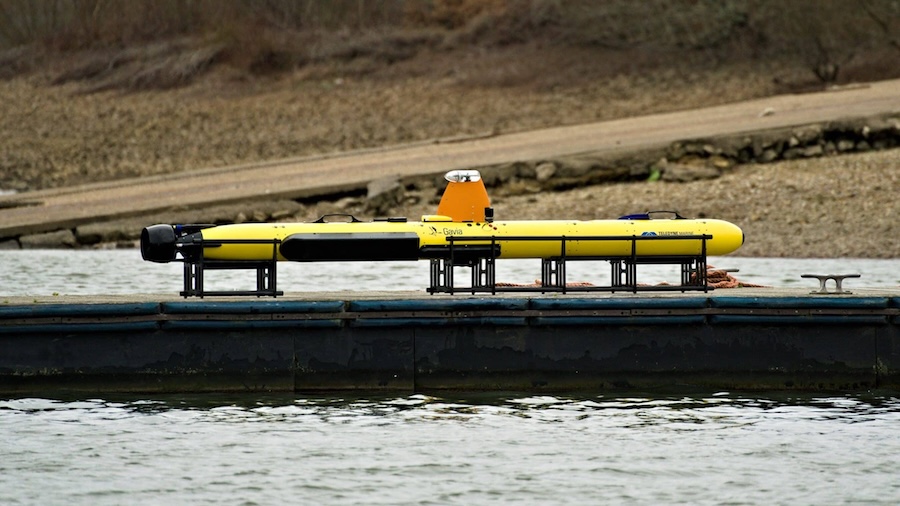
Estonia also plans to renew its navy, with minehunters receiving new main engines and a life-extension contract this year, while a market analysis is under way for up to four new vessels and maritime surveillance radars are being modernised alongside the establishment of a coastal defence missile system. In the defence industry sector, a privately run munitions factory has begun production in Ämari, infrastructure work will start at the Ermistu Defence Industrial Park in Pärnu County with four selected companies, a further park will be developed in North Kiviõli with negotiations ongoing for large-calibre ammunition production, and construction of Estonia’s section of the Baltic defence zone will advance with bunker procurement and barrier ditch construction.