
Speaking before the Senate Armed Services Committee on March 12, Grynkewich emphasized the strategic importance of the U.S. military presence in Europe. “Our forces, bases, and infrastructure take advantage of the continent’s strategic geography and allow the United States to rapidly move forces, sustain operations, and provide the president with diverse military options across multiple theaters,” he said.
He added that those capabilities are currently supporting combat operations against Iran. “This mission continues today with support to Operation Epic Fury in Iran,” Grynkewich said.
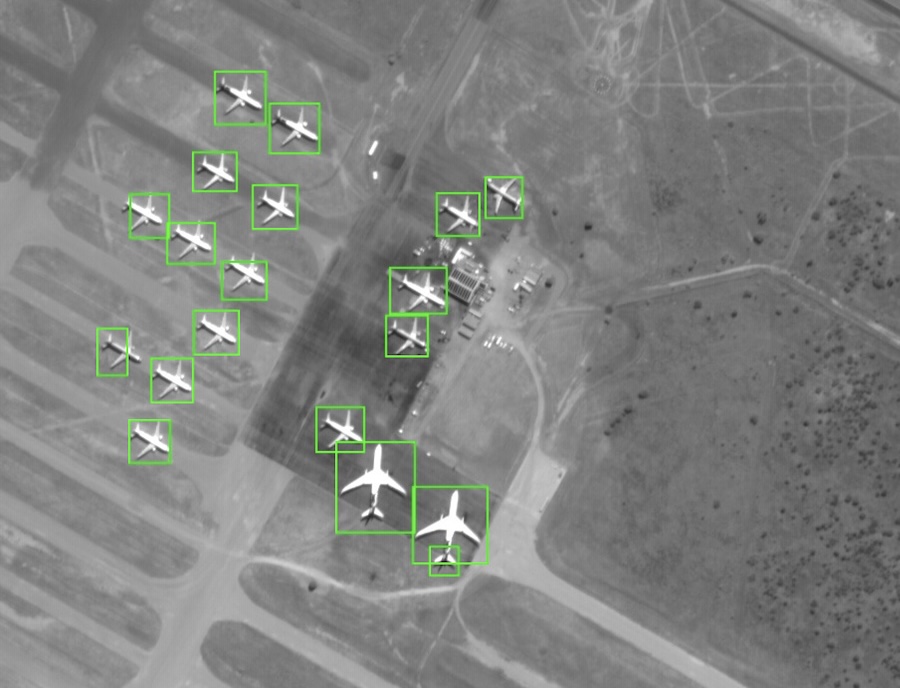
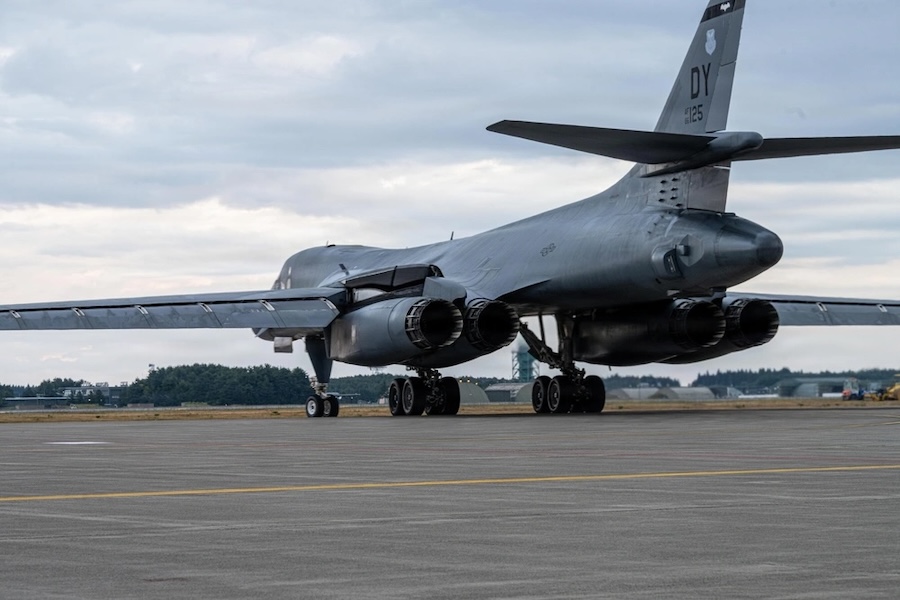
One of the most important facilities supporting bomber operations is RAF Fairford in Gloucestershire in the United Kingdom. The base has served as a key launch point for strikes targeting Iranian missile infrastructure.
As of March 13, approximately 18 U.S. bombers were operating from RAF Fairford, including 12 B-1B Lancers and six B-52 Stratofortresses, according to open-source flight tracking data and air traffic communications. The British government has confirmed that the United States is using the base to conduct strikes against Iranian missile facilities.
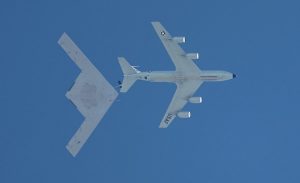
European bases have also supported large numbers of aerial refueling aircraft required for long-range missions. Tanker aircraft stationed across the continent have enabled bombing sorties launched from the continental United States.
Grynkewich said the network of American bases in Europe provides significant operational advantages. “Having capability in Europe ultimately provides options for this administration or any administration in the event of a conflict,” he said.
He also highlighted the broader mission of U.S. European Command in supporting operations in other regions. “One of the missions of U.S. European Command is to serve as a power projection platform. And so it is. Having capabilities in Europe, munitions in Europe allow us to help U.S. Africa Command to target terrorists in Africa or to help U.S. Central Command as they execute Operation Epic Fury. The distances are shorter, it’s less expensive, and it’s much easier to project power with our network of bases and allies.”
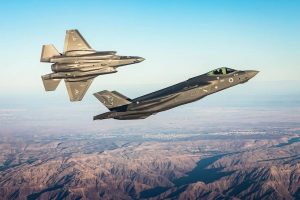
Aircraft stationed in Europe have also participated directly in the air campaign against Iran. Dozens of F-35 Lightning II and F-15E Strike Eagle fighters based at RAF Lakenheath in the United Kingdom have taken part in operations, according to official U.S. military imagery.
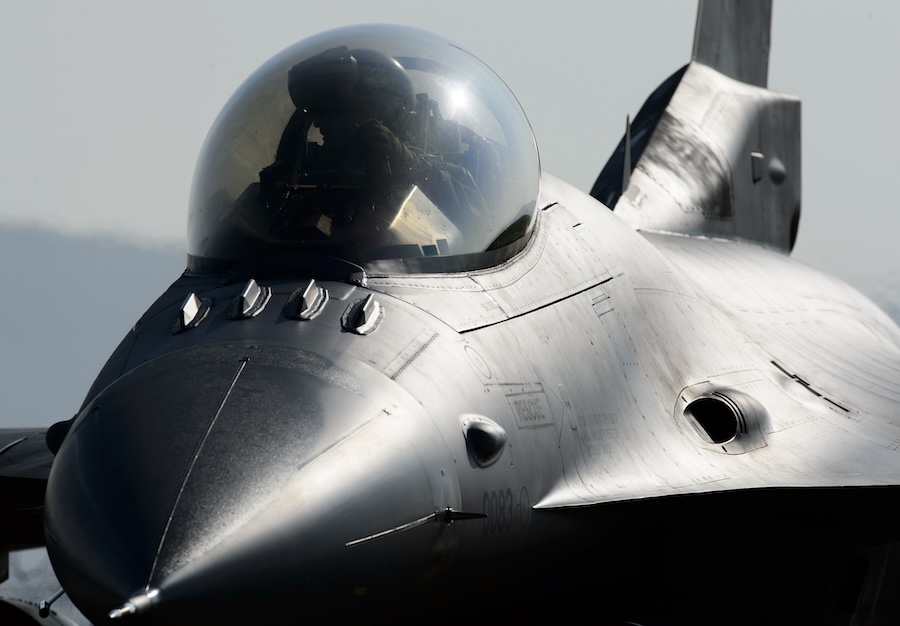
Additional aircraft involved include F-16 “Wild Weasel” fighters from Spangdahlem Air Base in Germany. These aircraft specialize in suppressing enemy air defenses and are identifiable by their “SP” tail codes.
These fighters belong to U.S. Air Forces in Europe, which serves as the air component of U.S. European Command. In contrast, the Air Force component assigned to the Middle East does not permanently base fighter aircraft in the region.
European bases have also served as staging points for U.S. aircraft deploying to the Middle East ahead of the conflict. Fighters traveling east have used installations across Europe as stopover locations before continuing toward operational theaters.
The conflict has also drawn Europe itself closer to the confrontation with Iran. British forces in Cyprus were reportedly attacked by drones believed to be of Iranian design following the start of the conflict on Feb. 28.
Iran also launched ballistic missiles at Incirlik Air Base in Turkey, another installation within European Command’s area of responsibility. Grynkewich said those missiles were intercepted by air defenses.
“Our Soldiers, Sailors, Airmen, Marines, and Guardians have been operating at a high tempo in the Eastern Med and elsewhere defending Alliance territory and defending our forces and projecting power into U.S. Central Command,” he said.
The conflict has also resulted in casualties among U.S. personnel across the region. Six soldiers were killed in an Iranian drone attack on U.S. forces in Kuwait, while another soldier died following an attack at Prince Sultan Air Base in Saudi Arabia.
Separately, six U.S. Air Force personnel were killed on March 12 when a KC-135 Stratotanker crashed in western Iraq. The broader conflict has highlighted the increasingly interconnected nature of global security challenges.
“Our competitors around the globe will work with each other when they share interests,” Grynkewich said. “And we’ve certainly seen that with the North Koreans and the Iranians and the Russians.”
Source: Air & Space Forces Magazine.