

The report shows total turnover increased by 10.1 per cent to €325.7 billion as direct employment reached a record 1,103,000. Including indirect and induced effects, the industries supported nearly 4.2 million jobs and €779 billion in economic activity across Europe.
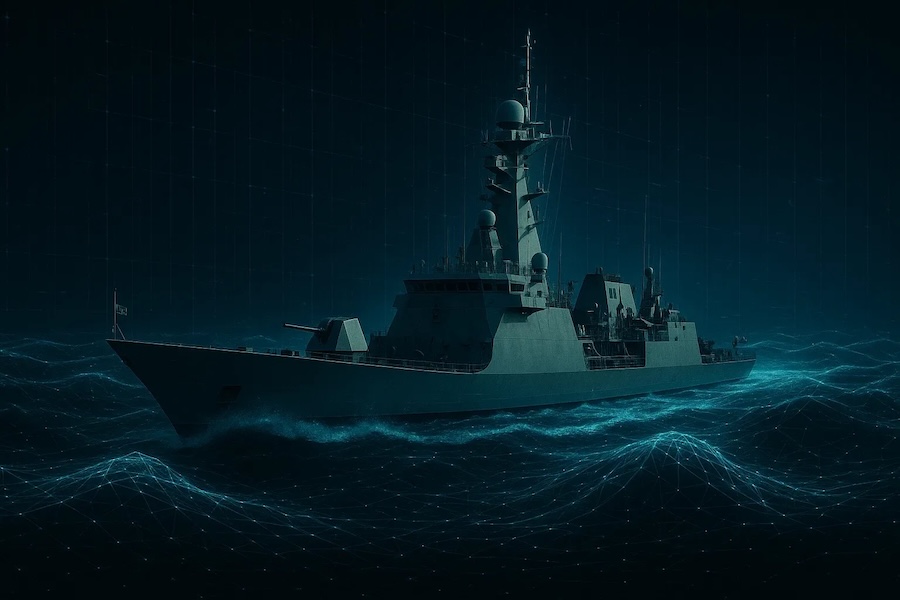
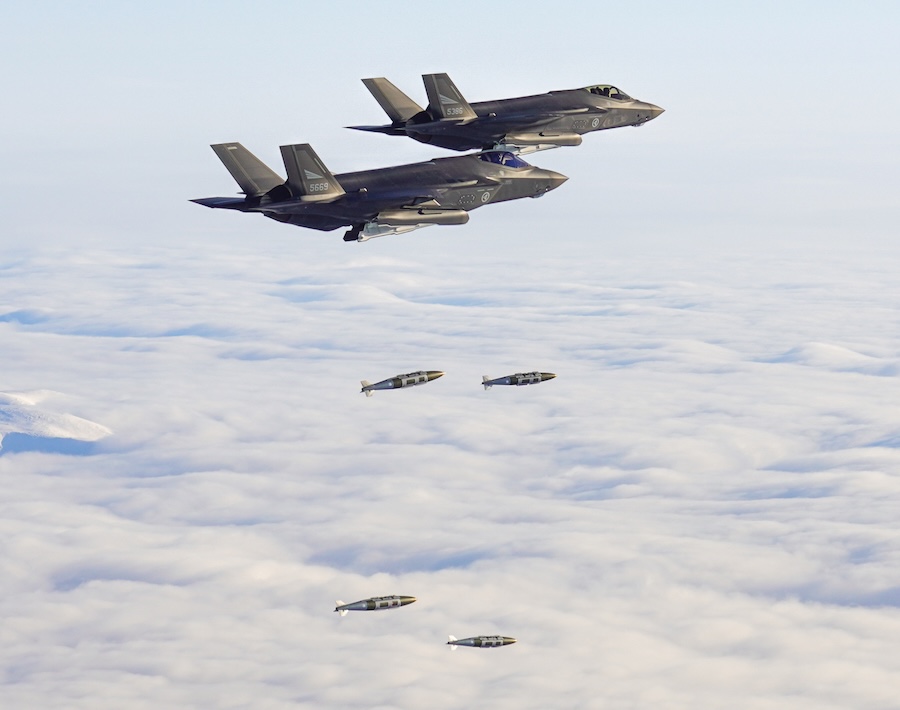
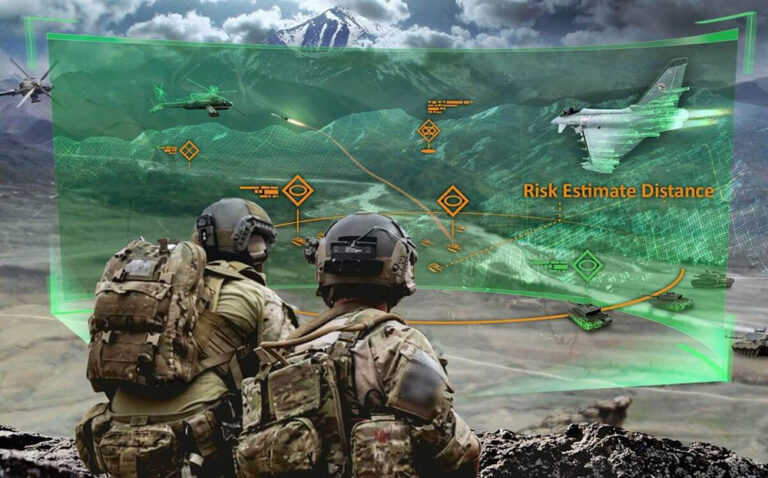
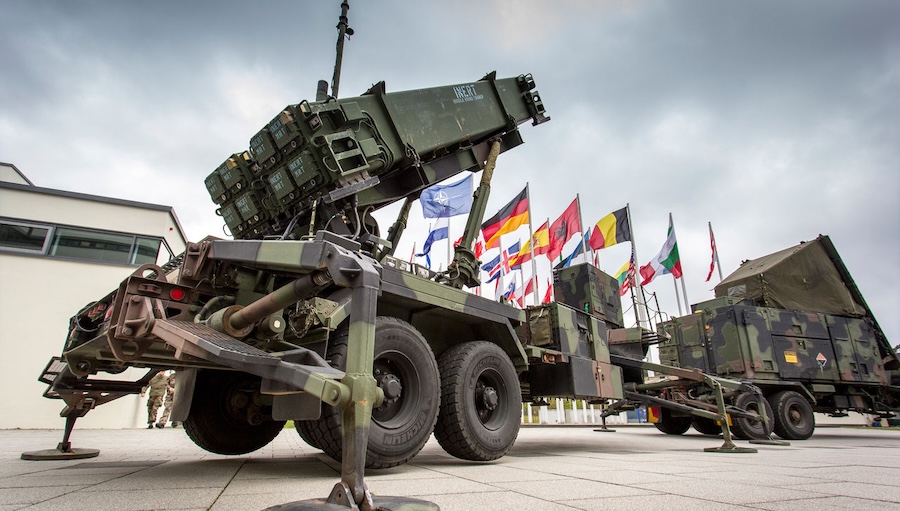
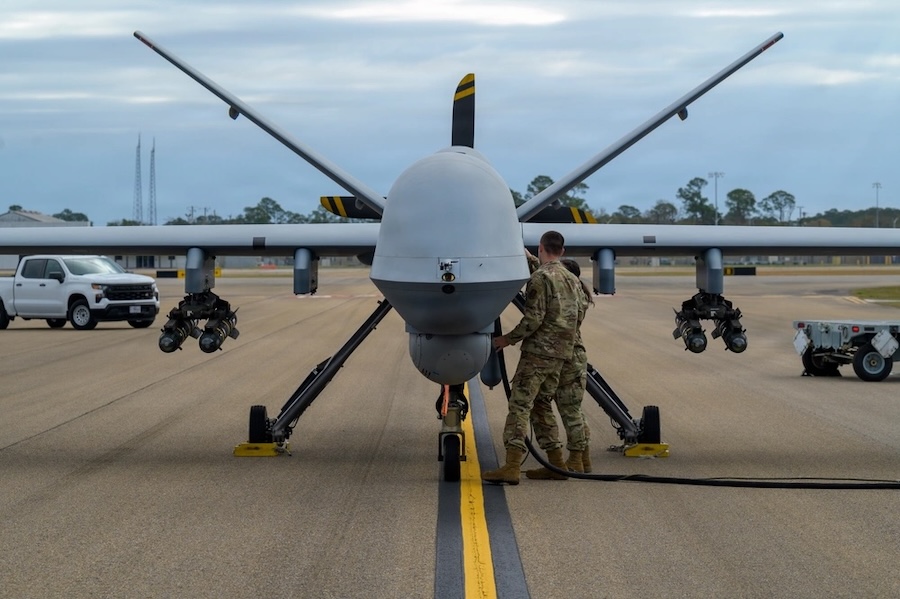
Growth differed across segments, with defence rising by 13.8 per cent due to Europe’s stepped up focus on preparedness and support for Ukraine. Civil aeronautics expanded by 6 per cent, helped by higher air traffic and demand for fuel efficient aircraft but still held back by supply chain bottlenecks, labour shortages and high energy costs.
ASD President and Saab Chief Executive Micael Johansson said: “Our sectors are not only vital to Europe’s economy. They are first and foremost essential for Europe’s security, connectivity, sustainability ambitions – ultimately for its sovereignty and position on the global stage amid a quickly shifting and increasingly unpredictable geopolitical and technological landscape.” He added: “Europe remains a world leader in civil aeronautics — one of the few high-tech sectors where Europe still leads globally — but this leadership cannot be taken for granted. An EU industrial strategy for civil aeronautics is urgently needed to safeguard this position, protect high-skilled jobs, and accelerate the transition to climate-neutral flight.”
Johansson also stressed the need to reinforce Europe’s defence industrial base. He said: “At the same time, Europe must continue strengthening its defence industrial base so that it can play its part in building the European pillar of NATO and strengthening European security and deterrence. Europe’s defence industry has already proven that it is capable and ready to scale up production further to deliver operationally superior capabilities to meet current and future needs.” He concluded: “Investment in our industries is investment in Europe’s competitiveness, sustainability, resilience, and sovereignty. The next multiannual EU budget must reflect this as a priority.”
ASD Secretary General Camille Grand highlighted both momentum and risks for the sector. He said: “In 2024, Europe’s aerospace and defence industries continued to grow fast – a clear signal of their enduring resilience and strategic importance.” He added: “Rising defence budgets and deeper industrial cooperation are strong signals. However, investments must be sustained over a prolonged period to avoid repeating past mistakes. Also, a significant share of defence procurement still flows to non-European suppliers, highlighting the urgent need to reinforce supply chain sovereignty and ensure that European investments strengthen Europe’s own industrial capabilities.”
Grand warned that civil aeronautics still faces structural pressures. He said: “Civil aeronautics recovery remains constrained by supply chain bottlenecks, labour shortages, high energy costs, and trade uncertainties. Addressing these challenges urgently is critical for the entire industrial ecosystem, but particularly for civil aeronautics in maintaining industrial leadership while progressing toward Europe’s climate ambitions and making global aviation more sustainable over the long term.” He noted the broader geopolitical significance, saying: “As Europe navigates an increasingly complex global landscape, reinforcing our strategic industries is not a luxury — it is a necessity. It is essential to safeguarding the security of European citizens, connecting them at home and abroad, preserving our way of life, and ensuring that Europe remains a global leader in innovation and sustainability.”
The report underlines the scale of ASD’s footprint, with its members responsible for 99 per cent of EU aerospace and defence turnover and 94 per cent of employment in 2024. Contributions from the United Kingdom, Norway and Turkey accounted for 19 per cent of turnover and 27 per cent of employment within ASD’s wider European membership.
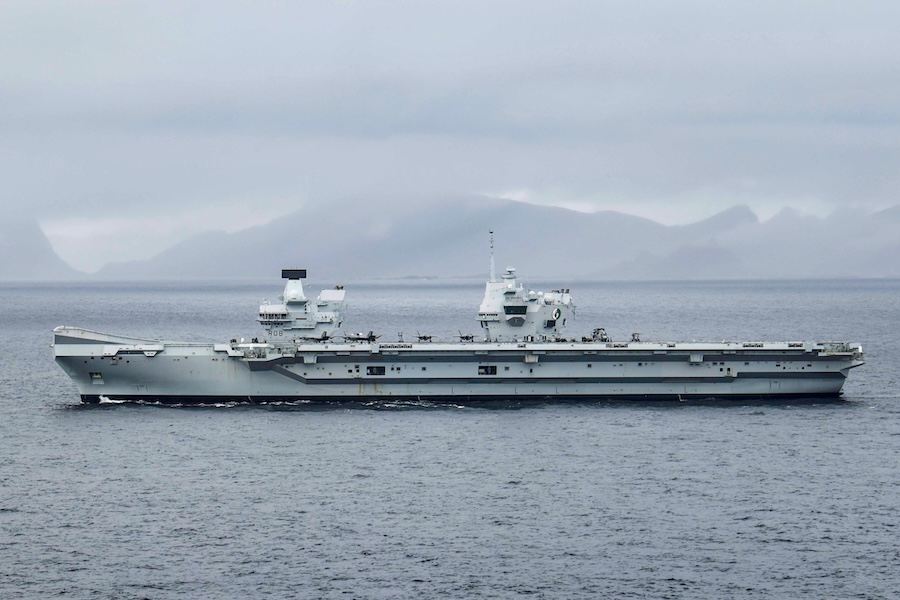
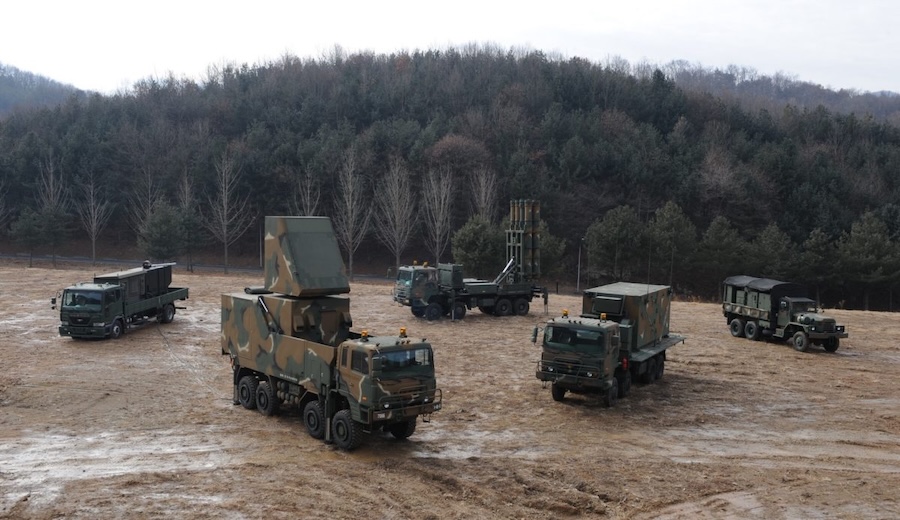
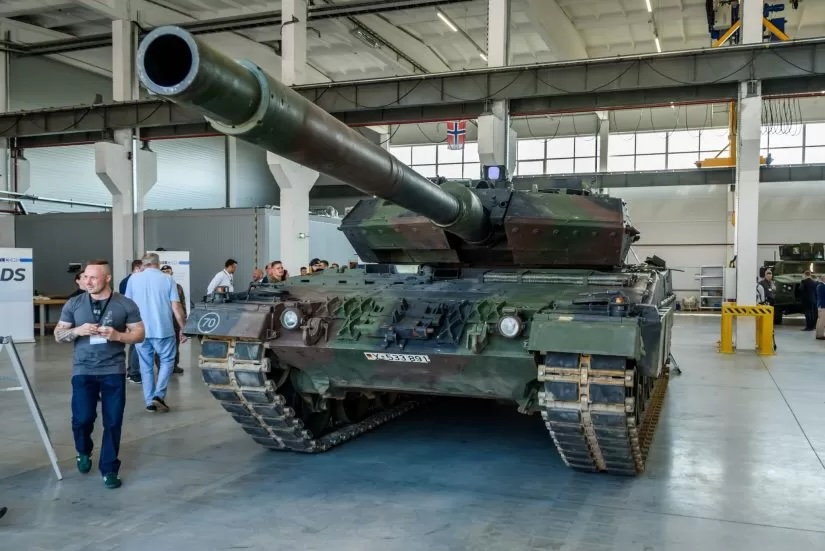
Civil aeronautics produced €129.1 billion in turnover and 406,300 jobs, while defence industries generated €183.4 billion and 633,000 jobs with growth spread across land, naval and aeronautics. Space activity also increased, with employment reaching 66,100 and turnover rising to €13.3 billion.
Research and development spending grew by 9.4 per cent to €25.2 billion, though the report notes Europe still lags global competitors. Services contributed €89 billion in turnover and 377,000 jobs, reinforcing their importance in supporting systems across their lifecycle.