

Recent conflicts, most notably in Ukraine, have reinforced a fundamental reality of warfare. Airpower, long-range fires and advanced platforms are essential, but they do not, by themselves, decide wars. Strategic and political outcomes are shaped by ground maneuver forces that can seize and hold territory, shaping political reality on the ground as armies have done throughout history. Without effective ground forces, military advantage remains temporary and fragile.
Modern warfare has dramatically raised the demands placed on those forces. Ground units now operate in environments defined by constant observation, rapid adaptation and compressed decision cycles. The battlefield is no longer linear, predictable or forgiving. Success depends not only on firepower, but on how quickly and effectively forces can translate information into action at the tactical edge. This places unprecedented importance on the effectiveness of the individual soldier.
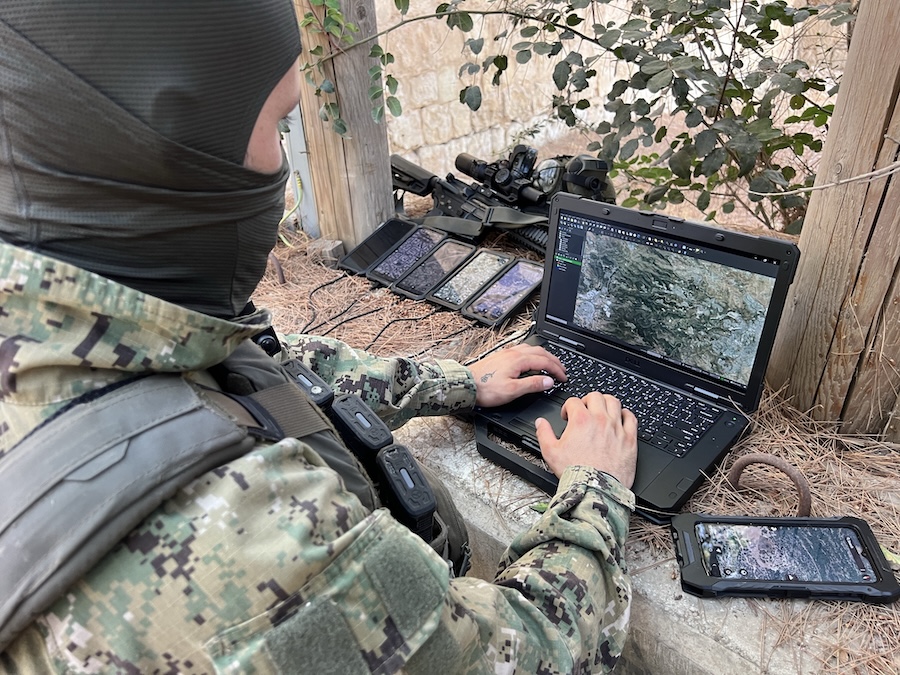
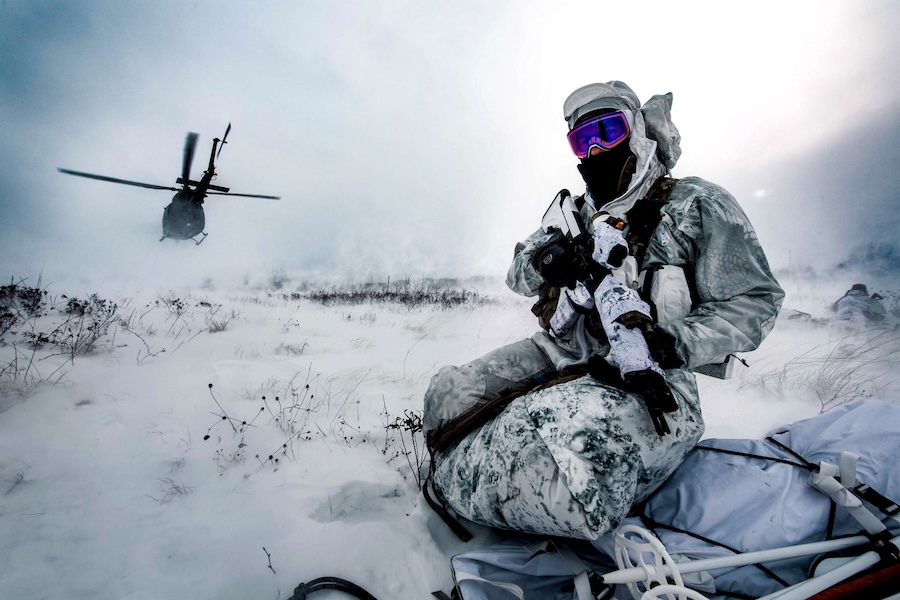
Yet in reality, the soldier platform is the single most neglected platform in the army’s arsenal. While European militaries invest heavily in aircraft, naval vessels and armored systems, the individual soldier has seen far less systematic modernization. Improvements have often been incremental, while many capabilities that once provided a clear advantage are now widely available to adversaries. The result is a widening gap between the sophistication of Europe’s platforms and the ability of its ground forces to exploit them fully.
This imbalance is becoming more acute as manpower trends move in the wrong direction. Across Europe, armed forces face recruitment challenges, aging force structures and an increasing reliance on reserve components. At the same time, operational demands are expanding. Fewer soldiers are expected to cover more ground, sustain operations for longer periods and confront more complex threats. In this context, effectiveness at the individual and small-unit level becomes a strategic issue, not a tactical one.
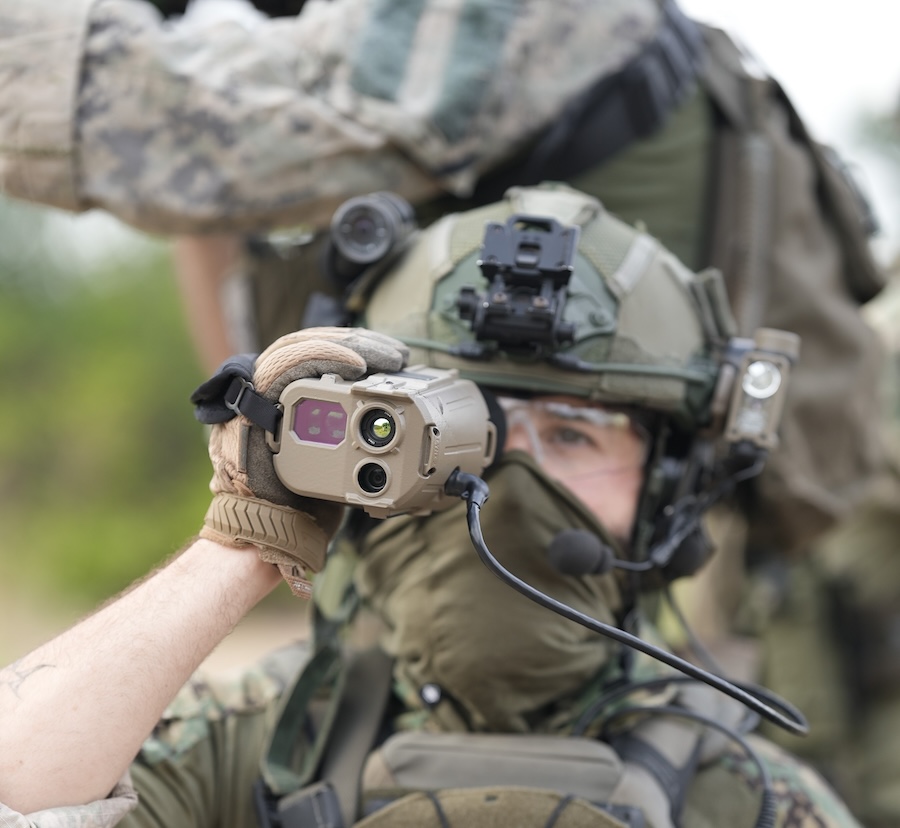
Addressing this challenge does not mean shifting resources away from platforms. Europe will continue to need advanced aircraft, naval power and armored formations. But platforms only deliver strategic value when they are paired with ground forces capable of operating with confidence, cohesion and independence. The next phase of European defense modernization must treat the soldier as a core element of capability development, not as an afterthought.
Procurement will play a decisive role in how effectively Europe translates today’s political momentum into real military capability over the coming years. Across NATO and the European Union, defense leaders increasingly recognize that rebuilding strength is a long-term effort that extends well beyond any single budget cycle. The question is not only how much Europe spends, but how effectively that investment is converted into operational relevance.
This urgency is particularly visible among Eastern European states, which have consistently emphasized the need for faster delivery of capabilities that strengthen collective defense along Europe’s borders. Their position reflects a broader concern shared across the continent: that traditional timelines are poorly suited to a security environment defined by rapid adaptation and persistent pressure. European mechanisms for collaborative funding and joint procurement are important steps, but their success will depend on whether they prioritize capabilities that can be fielded in time to matter.
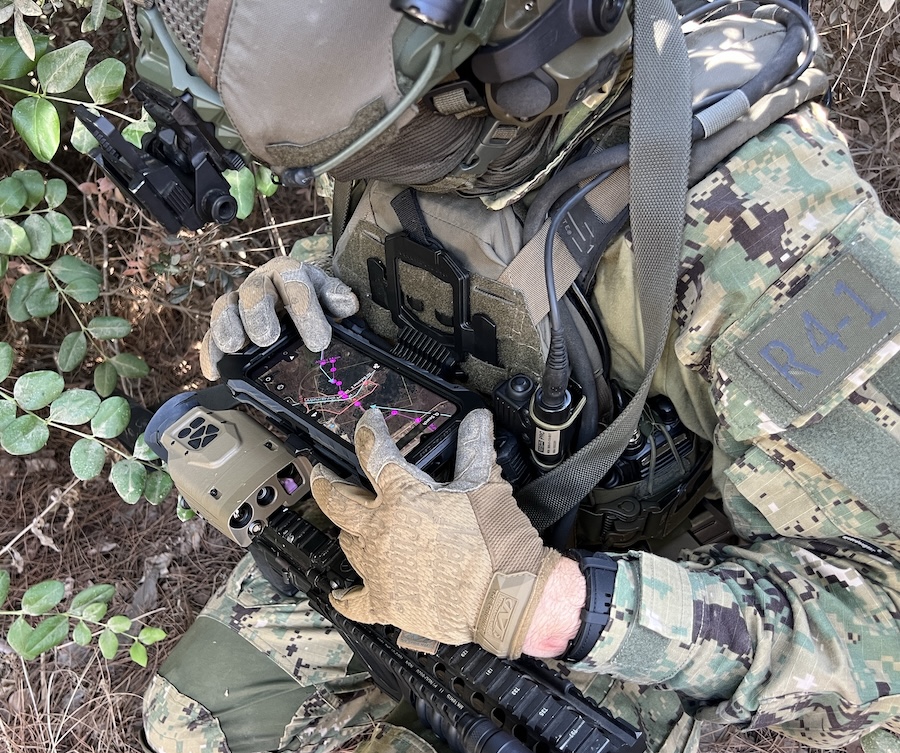
Recent conflicts have also highlighted the value of solutions shaped by real operational experience. Technologies refined through direct exposure to high-intensity warfare tend to mature faster and with fewer assumptions. By complementing long-term industrial programs with partnerships that bring recent battlefield experience, Europe can reduce risk, accelerate readiness and ensure modernization efforts translate into tangible advantages for ground forces.
Europe’s rearmament will ultimately be judged not by budget totals or platform inventories, but by performance under pressure. Deterrence rests on credibility, and credibility depends on soldiers’ and units’ ability to operate effectively under the most demanding conditions.
If Europe wants its renewed defense effort to deliver real security, it must rebalance its approach to modernization. The soldier is not a legacy component of warfare. The soldier is the decisive platform. Treating it as such is not a tactical adjustment. It is a strategic necessity.
About the author

Tomer Malchi is the Co-Founder and CEO of ASIO. A former officer in the IDF’s special intelligence and reconnaissance unit, he has led the development of patented solutions in GIS (Geographic Information Systems), passive target acquisition, north-finding and tactical communications. ASIO develops combat-proven technologies that deliver operational independence to tactical forces and are deployed by the IDF and defense customers worldwide.