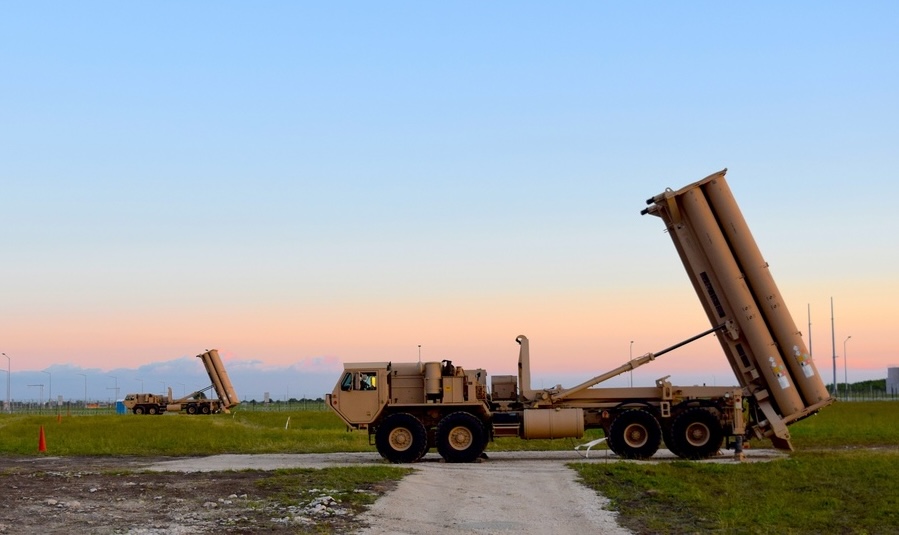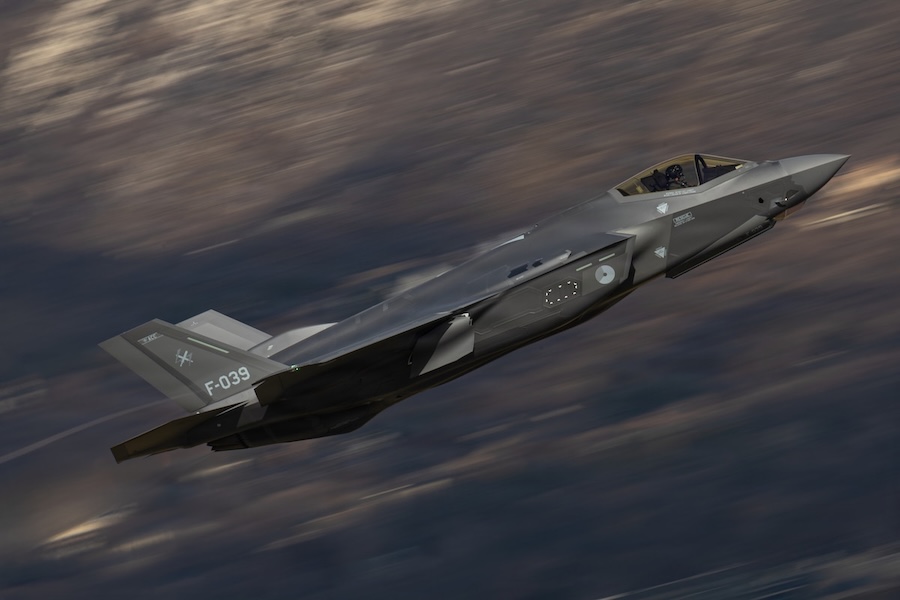

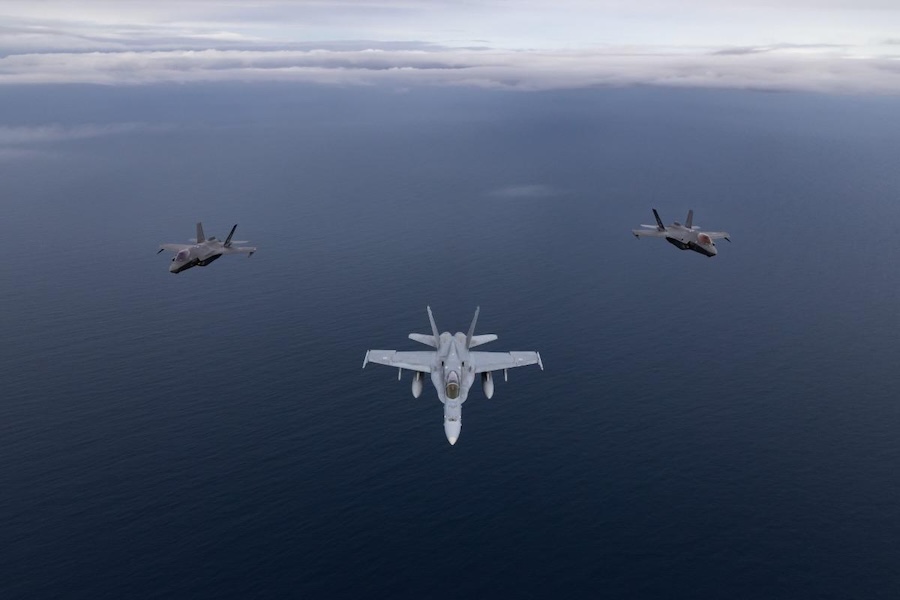
The exercise focused on defending NATO’s northern flank while improving cooperation and interoperability among Allied forces. It formed part of NATO’s enhanced Vigilance Activity, Arctic Sentry, marking the first major exercise under this framework.
“We planned this exercise for a long time, and it has served as an important opportunity to test and validate the work we have put into our new Combined Air Operations Centre, ensuring it can effectively coordinate Allied air power in the High North,” said Brigadier General Michael Bottenvik-Hartmann, head of national operations at CAOC Bodø. He highlighted the role of the newly established command structure in coordinating air operations during the exercise.
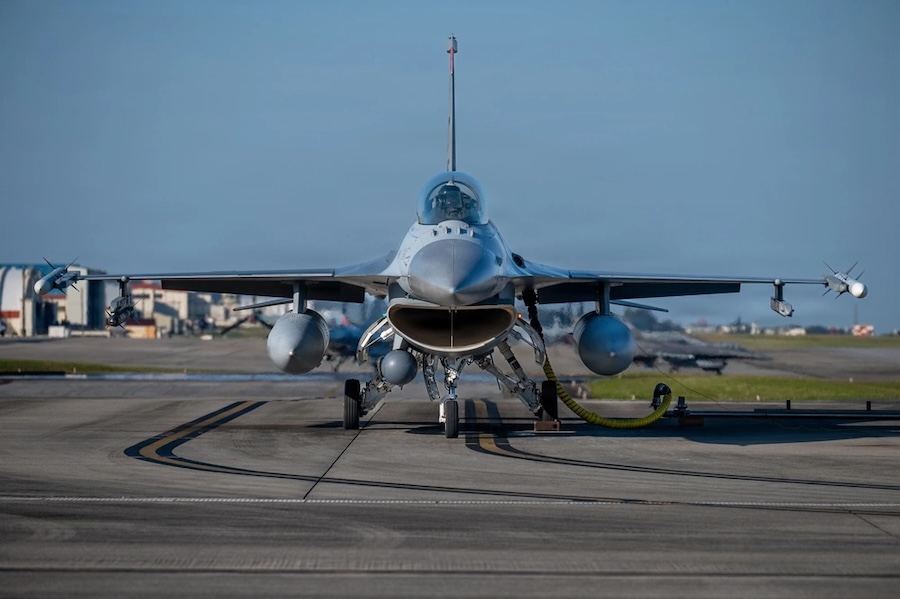
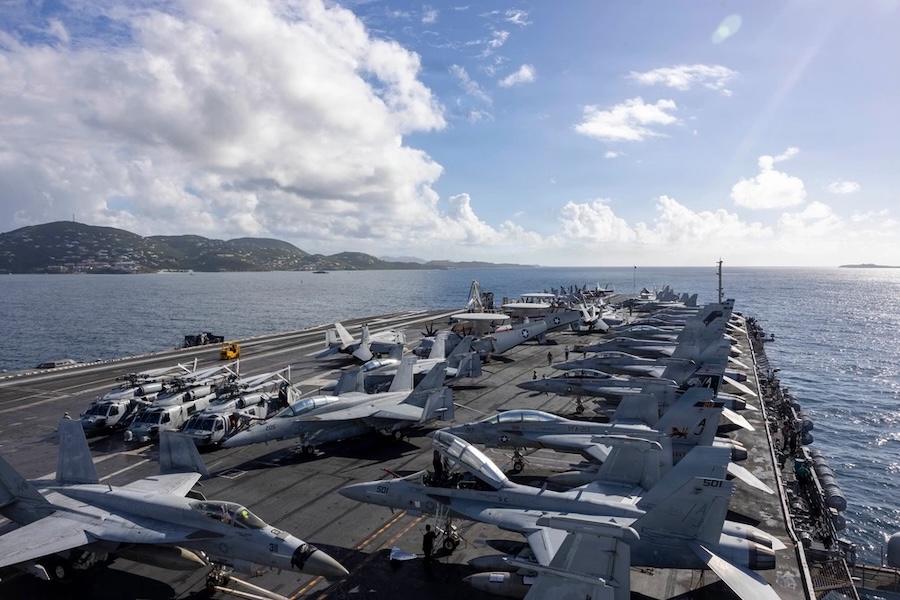
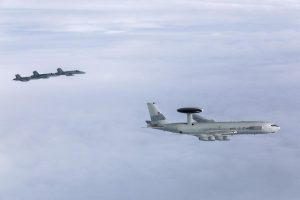
Around 25,000 service personnel took part, supported by 4th and 5th generation fighter aircraft, transport aircraft, maritime patrol aircraft and helicopters. NATO’s Airborne Warning and Control System (AWACS) operated from Ørland in Norway as the Battle Management Platform, providing both air and surface situational awareness.
The exercise emphasised realistic training and multi-domain operations, integrating air, land and maritime forces. This approach aimed to enhance operational effectiveness and readiness across the Alliance.
“By operating together, we improve both our own capabilities and those of the Alliance. We have shared plans, and this exercise is concrete evidence of our capability and willingness to defend our region together,” said Colonel Vesa Mäntylä, Deputy Chief of Staff Air Force Command Finland. He underscored the importance of cooperation in strengthening collective defence.
Operating in multinational formations and from dispersed locations under the Agile Combat Employment concept improved coordination between Allied air forces. NATO said this helped build trust and refine shared procedures, communications and tactics in complex environments.
For the Combined Air Operations Centre in Bodø, the exercise marked its first major live-flying, multi-domain operation. During the exercise, the centre commanded, coordinated and controlled NATO air operations across the designated area.
“The air bases are strategically located, providing strong coverage in the High North for our Allies and ensuring rapid response and mobilisation,” said Brigadier General Michael Bottenvik-Hartmann. He noted the importance of infrastructure in enabling effective air operations.
Air bases in Norway, Sweden and Finland provided critical support, including runways, fuel, maintenance, transport, accommodation and supplies. NATO said this demonstrated the Alliance’s ability to receive, support and integrate Allied air forces in Arctic conditions.

![Germany’s first F-35A reaches final assembly stage at Lockheed Martin facility in Fort Worth, Texas [VIDEO]](https://defence-industry.eu/wp-content/uploads/2026/03/germanys-first-f-35a-reaches-final-assembly-stage-at-lockheed-martin-facility-in-fort-worth-texas-video.jpg)