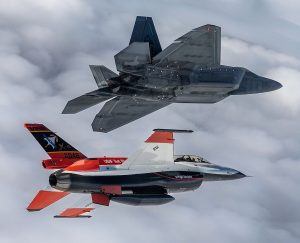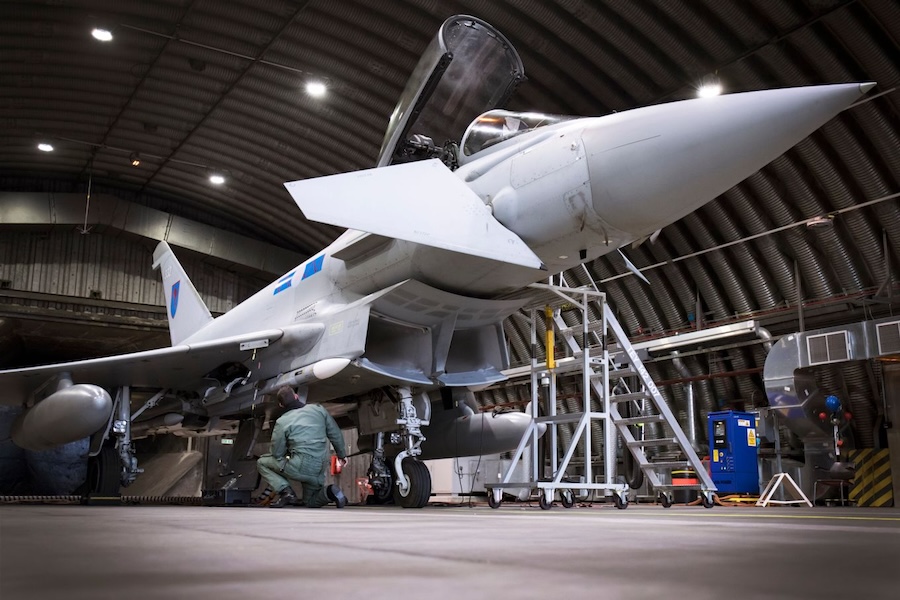


The air component included B-1B Lancer bombers and fighter aircraft such as the F-22 Raptor, F-35 Lightning II and F/A-18 Super Hornet, alongside electronic attack, early warning, intelligence, surveillance and reconnaissance platforms. Helicopters from the Army’s 160th Special Operations Aviation Regiment carried the assault force into Venezuela after air defences were neutralised.
“As the force began to approach Caracas, the Joint Air Component began dismantling and disabling the air defense systems in Venezuela, employing weapons to ensure the safe passage of the helicopters into the target area,” Caine said. He added, “The goal of our air component is, was, and always will be, to protect the helicopters and the ground force and get them to the target and get them home.”
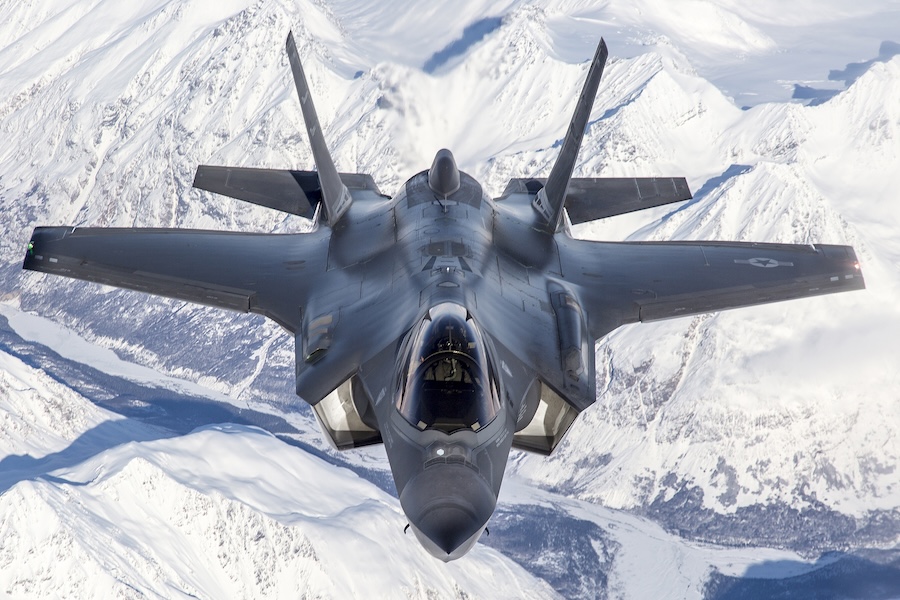
F-35 fighters played a key role in suppressing enemy air defences, with U.S. officials confirming that F-35As from the Vermont Air National Guard and F-35Bs from the U.S. Marine Corps were positioned in the region. These aircraft operated alongside F-22s deployed from Joint Base Langley-Eustis, supported by bases across the Caribbean and U.S. Navy ships including the USS Gerald R. Ford and USS Iwo Jima.
Despite poor weather delaying the mission, Caine said conditions briefly improved, noting that “last night, the weather broke just enough, clearing a path that only the most skilled aviators in the world could maneuver through—ocean, mountain, low cloud ceilings.” The helicopter force flew at just 100 feet above the water, came under fire during the insertion, and successfully extracted Maduro, with one damaged helicopter remaining flyable.
By 3:29 a.m. Eastern time, Maduro and his wife were aboard the USS Iwo Jima and transferred to the United States for trial, U.S. officials said. President Donald Trump described the mission as highly risky, stating, “This is an attack that could have gone very, very badly,” while confirming that a second wave of forces was ready if required.