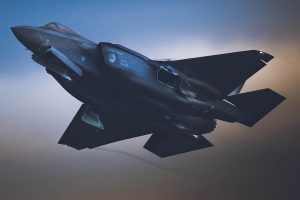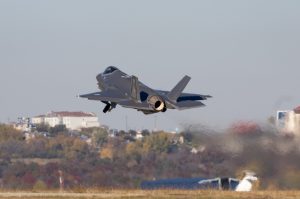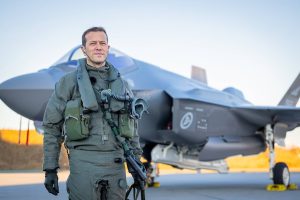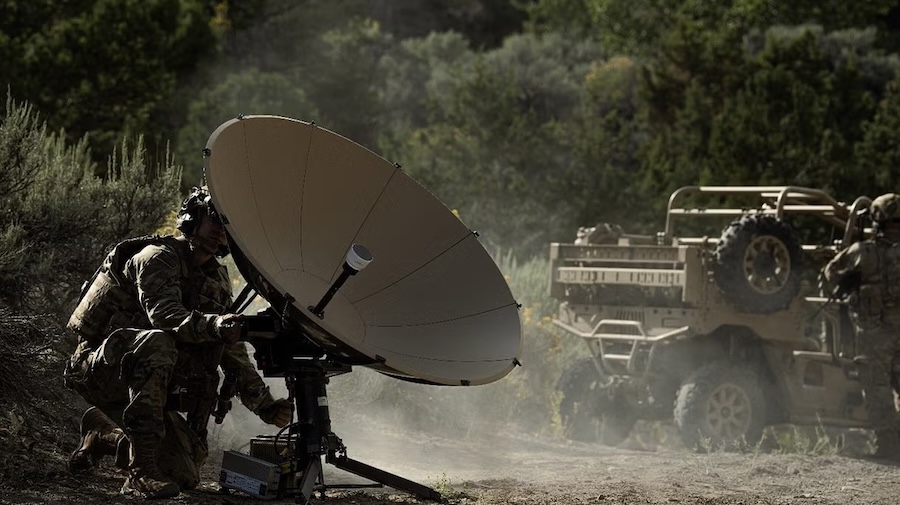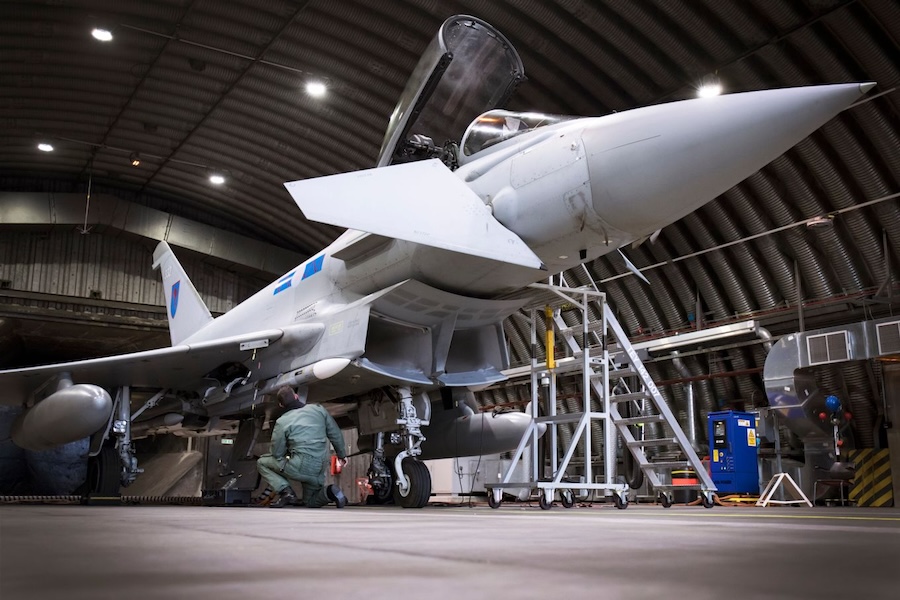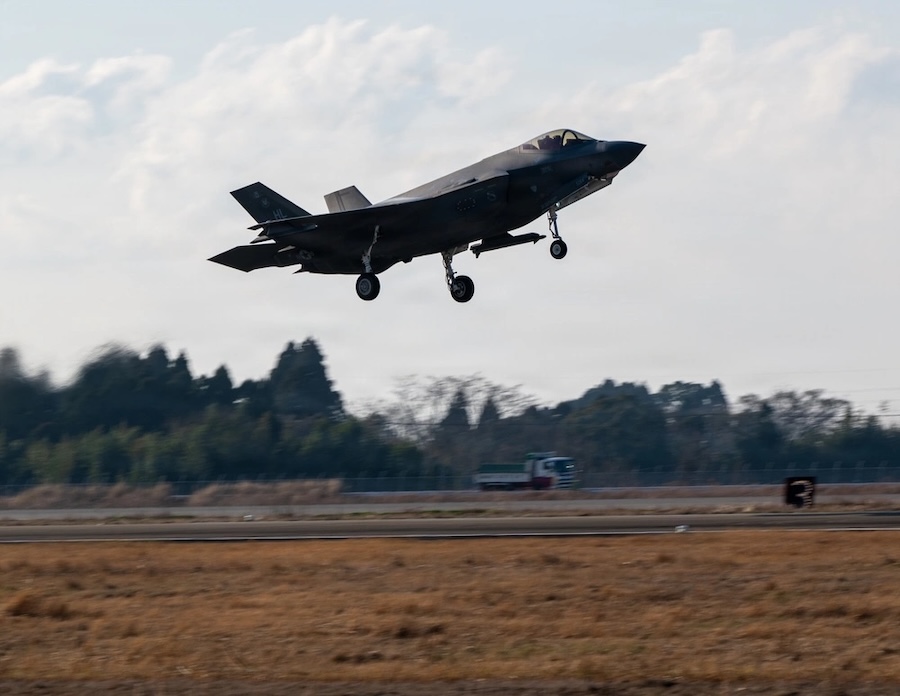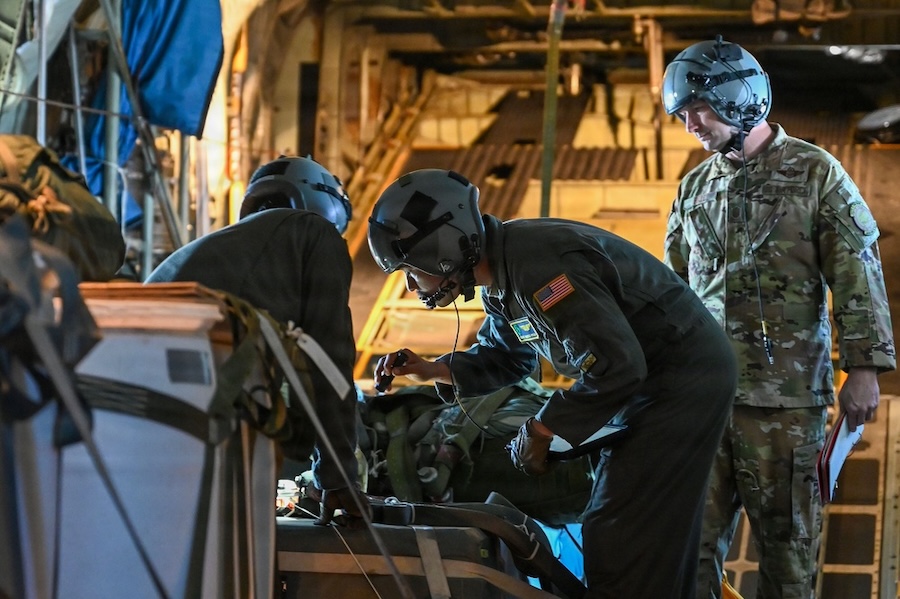

The demonstration marked the first time non-American Allied maintainers loaded weapons onto a U.S. Air Force F-35A. It highlighted NATO’s ability to sustain fifth-generation air operations from Allied locations, strengthening collective deterrence and defensive posture.
Building on earlier cross-servicing efforts such as the Atlantic Trident 25 refuelling exchange, the event moved interoperability from concept to practice. Dutch weapons crews completed a full certification-standard sequence using U.S. munitions, testing shared data, safety procedures and equipment compatibility.
“It’s very important that for the upcoming sizes of the F-35 fleet in Europe, that all the individual nations can be very flexible and work together,” said Belgian Air Force Brigadier General Patrick Goossens, European Air Group deputy director. “As more European nations adopt fifth generation platforms it is very important that even though we operate the same systems and our people go through the same training, that we do on a day-to-day basis, we can continue to align each other’s procedures.”
“The F-35 cross-servicing weapons load demonstrates the power of collaboration,” said Royal Netherlands Air and Space Force First Lieutenant Jarno Rutten, Air Combat Command weapons officer. “We’ve learned valuable lessons working with other nations, which will benefit all of us moving forward.”
Over the past year, U.S. and Dutch maintainers have carried out multiple bilateral training exchanges focused on technical data, safety standards and equipment synchronisation. “At the end of the day, we are demonstrating the interoperability to make sure that our F-35s can land at other nations’ F-35 bases,” said U.S. Lieutenant Colonel Larry Sepassi, 48th Maintenance Group deputy commander, adding that the goal is to show Allied nations can work together simultaneously.