

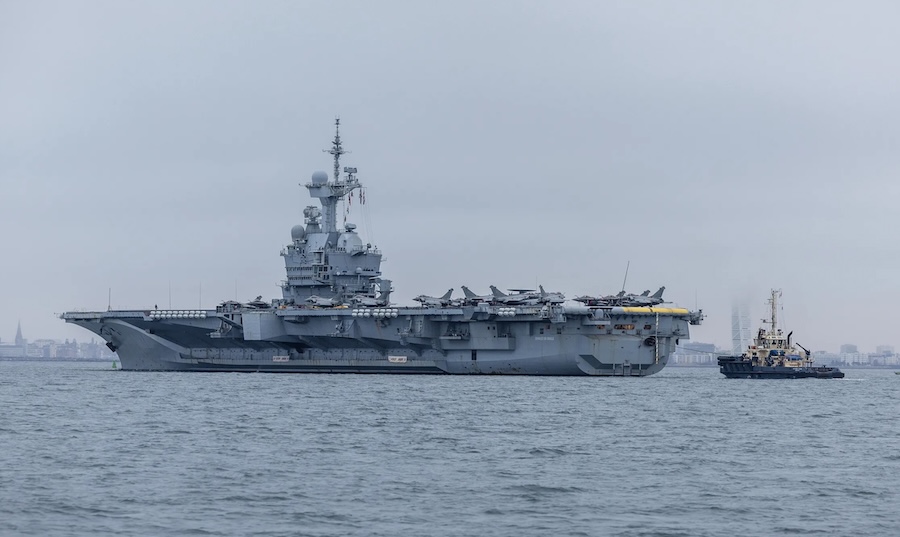
During the spring, Charles de Gaulle will conduct exercises with other NATO countries in the Baltic Sea, the North Sea, the Norwegian Sea and the Mediterranean. The ship is described as an important resource for the defence of the Alliance and for collective deterrence.
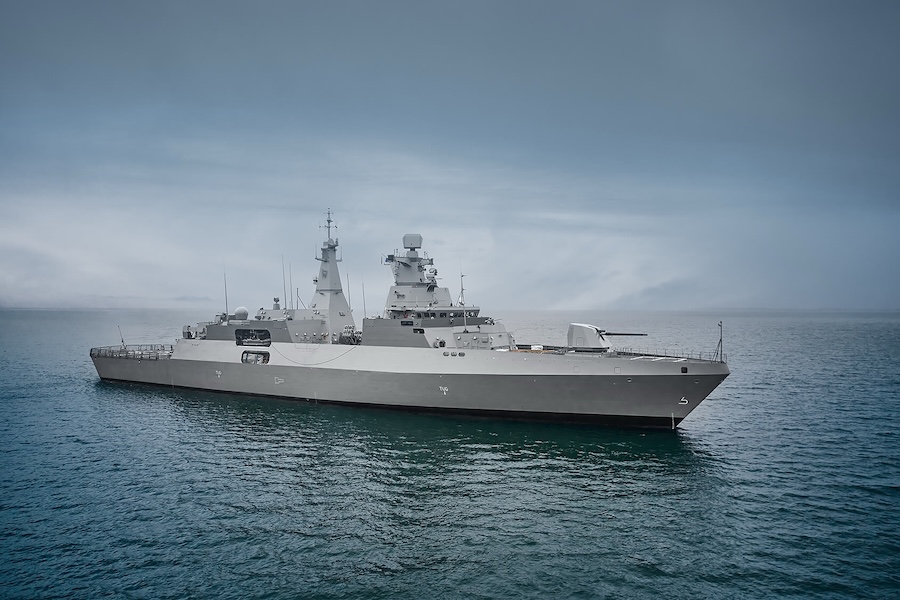
According to the Swedish Armed Forces, the vessel’s visit to Sweden demonstrates well-functioning cooperation, strengthens operational capability and supports the collective defence of Europe. The Dutch frigate HNLMS Evertsen will also berth in Malmö harbour, while elements of the carrier strike group will be moored in Copenhagen.
The visit by the French carrier strike group is presented as concrete evidence of close military cooperation between Sweden and France. Such cooperation, the Swedish Armed Forces state, makes Sweden safer and underlines that the country does not stand alone.
This is the first time that Charles de Gaulle and its associated carrier strike group have visited Sweden. In previous years, Sweden has hosted the United States vessel USS Kearsarge in 2022 and the British HMS Queen Elizabeth in 2023.
Last year, the Swedish Armed Forces also deployed officers to the British-led Carrier Strike Group 25 during the more than eight-month Operation Highmast. The operation was carried out to contribute to NATO’s deterrence and to regional security in the Indo-Pacific region.
“Aircraft carriers enable the movement and deployment of military power far from the homeland. Ultimately, it is about projecting power and military capability,” says Clas Olovsson, who was one of the Swedish staff officers serving on board a British ship during Operation Highmast.
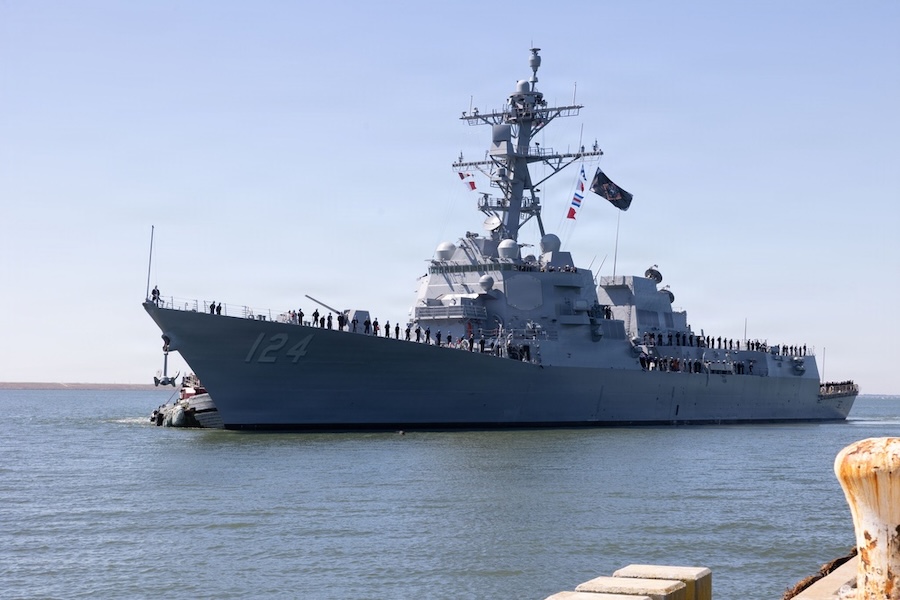
A carrier strike group consists of several vessels centred on an aircraft carrier, where aircraft provide military capability from the sea. Around the carrier are different types of ships, such as frigates or destroyers for anti-submarine warfare or air defence, which can be divided into capabilities intended to protect the naval force, enable operations and contribute to operational effect.