

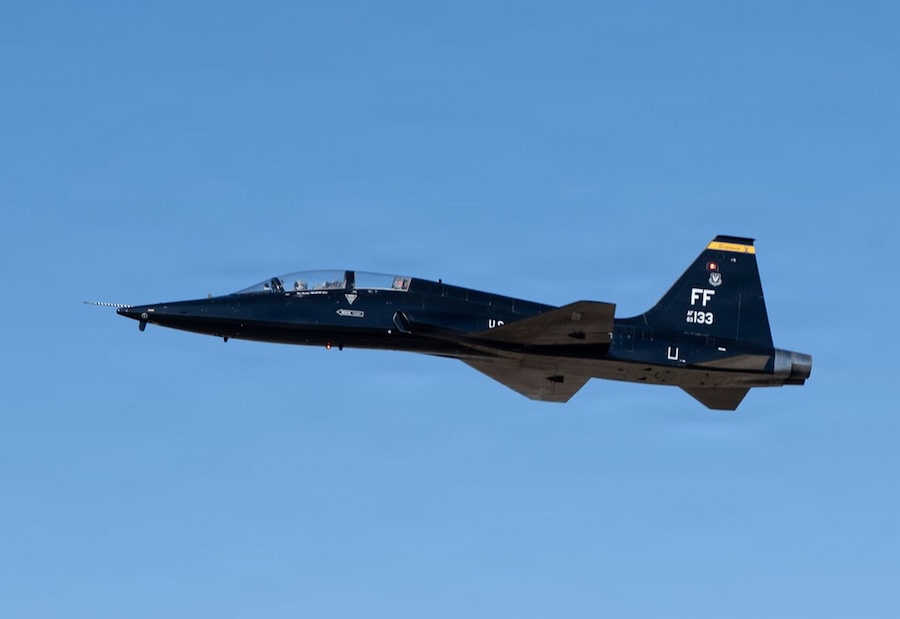
The award represents GE Aerospace’s first TrueChoice Defense digitally enabled contract for the J85 engine. The contract runs for an initial seven months and includes an option for an additional four years and five months.
Through the agreement, GE Aerospace will work with Palantir to use artificial intelligence and advanced data analysis to improve fleet management and supply chain performance. The digital platform brings together data from the U.S. Air Force, the Defense Logistics Agency and GE Aerospace to forecast when parts will be needed, identify potential supply chain issues early, and give users a clearer overall view to support faster decisions, more efficient engine maintenance and stronger readiness.
“This contract directly supports increased readiness for the J85 engine and the U.S. Air Force’s primary training fleet,” said Asha Belarski, general manager of customer support and sustainment for Defense & Systems at GE Aerospace. “By integrating data across the enterprise and applying AI to predict demand and identify constraints earlier, we are helping the Air Force keep more aircraft available to ensure our airmen get the training required to execute on their mission.”
The contract builds on a previous test program that combined data from several organizations responsible for managing more than 6,000 individual J85 engine parts. That effort showed how advanced data analysis can improve visibility across the supply chain, reduce delays and support more proactive maintenance planning.
As part of the program, GE Aerospace is partnering with Palantir to combine expertise in aerospace engineering, data integration and artificial intelligence. The teams will work to address supply chain constraints, improve parts availability and enable faster, better-informed decisions across the J85 sustainment system.
GE Aerospace said it continues to invest in digital tools that support customer readiness and operational performance. The company is applying advanced technologies to strengthen maintenance and sustainment outcomes across military engine fleets.