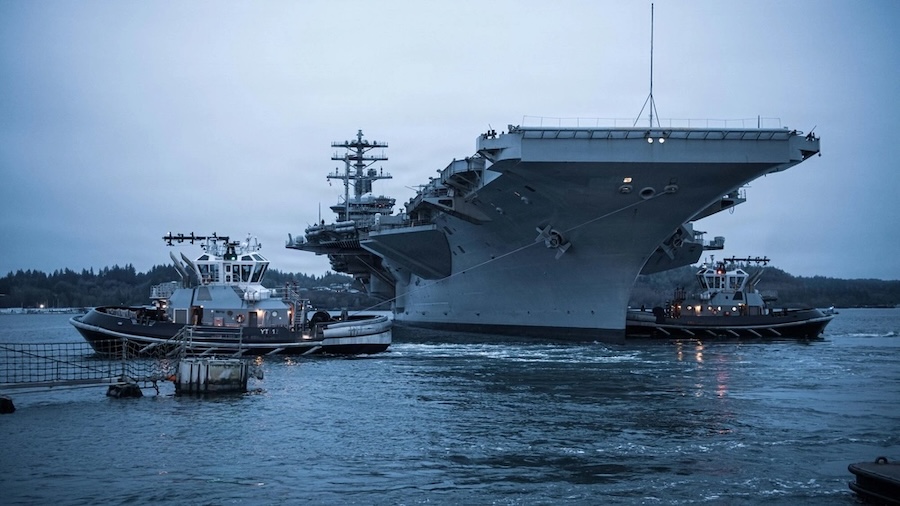



As of January 2025, 74 Arleigh Burke-class destroyers are active, all using LM2500 engines as their prime mover for propulsion. With these latest orders, GE Aerospace will have delivered a total of 296 LM2500 engines across the entire active fleet, supporting what is regarded as the U.S. Navy’s most successful shipbuilding programme.
“The LM2500 has been the engine of choice for the U.S. Navy’s destroyer fleet for decades, and we’re proud to continue that legacy as the Navy builds toward its 390-ship goal,” said Mark Musheno, Vice President of Sales and Marketing at GE Aerospace’s Marine Engines & Systems business. “GE Aerospace is committed to ramping up production capacity to meet the Navy’s expanding fleet requirements while maintaining the quality and reliability that has made the LM2500 the most trusted marine gas turbine in naval service worldwide.”

To date, the U.S. Navy has taken delivery of more than 700 LM2500 gas turbines operating on surface combatants such as frigates and destroyers. Since entering naval service in 1969, the LM2500 family has evolved through successive variants, achieving 99% reliability and becoming the most widely used naval propulsion system in service worldwide.