
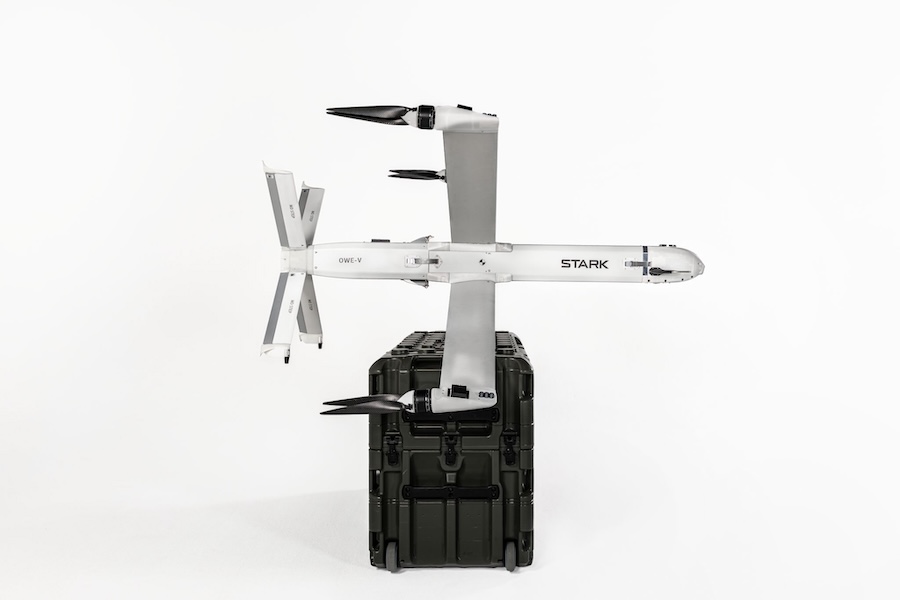
The parliamentary budget committee, however, capped the framework at a maximum of €1 billion per supplier, according to the German news agency dpa. It also instructed the Defence Ministry to report back before any additional purchases are approved.
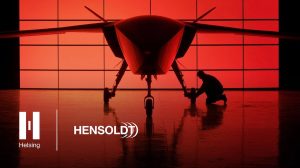
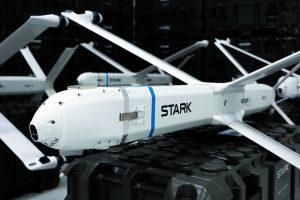
The German start-ups Helsing and Stark Defence are the first companies to benefit from the agreement.
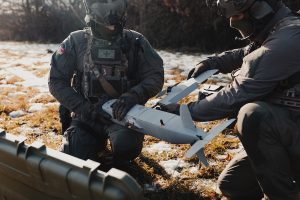
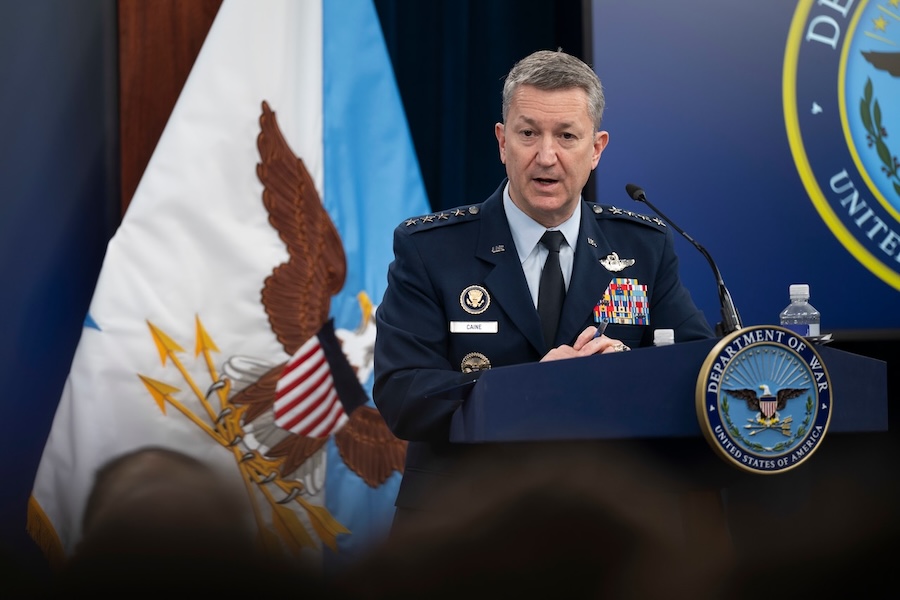
Defence Minister Boris Pistorius described the approval as an “important step”. He said the German army was drawing on Ukrainian experience and cooperation in armaments, noting that so-called “loitering munitions” had become crucial in Ukraine.
At the same time, Pistorius cautioned that drones may not remain dominant indefinitely. He said no one could know whether their current prominence on the battlefield would continue in future conflicts.
The first drones are intended for Germany’s NATO brigade in Lithuania. The systems were previously tested in Ukraine and subsequently adapted to meet German operational requirements.
The initial delivery will consist of several thousand drones from both manufacturers. By comparison, around 10,000 drones are used in Ukraine every day.
Germany plans to establish six drone units, each roughly the size of a small company of between 60 and 250 soldiers. The first unit is scheduled to become operational in 2027, with the remaining five to follow by 2029.
During deliberations in the budget committee, some parliamentarians criticised the deal, citing concerns over insufficient budgetary oversight of follow-up contracts. Objections were also raised regarding the involvement of German-American entrepreneur Peter Thiel, an ally of US President Donald Trump, in Stark Defence.
Rheinmetall has been identified as a possible third supplier. Despite political reservations, the procurement process is set to proceed under the revised financial limits.