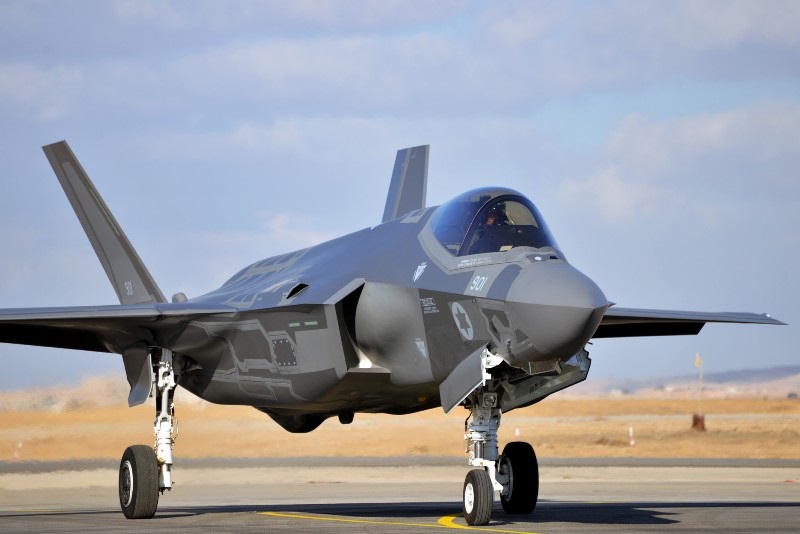



According to Spiegel, planners in the Defence Ministry estimate the cost of the additional aircraft at around €2.5 billion, and the documents are classified as confidential. The German Air Force views the expanded fleet as essential to meet NATO’s new defence and deterrence requirements, especially amid heightened concerns over Russia’s military posture.
Germany previously ordered 35 F-35 jets to replace its ageing Tornado fleet, with the first deliveries expected in 2027. The F-35s are designated to take over the Tornado’s role in NATO’s nuclear sharing mission, delivering U.S. nuclear bombs stored in Germany if necessary.
In July, Berlin denied any plans for a second F-35 order, but the significantly increased defence budget—supported by exemptions for security-related spending—has created more financial flexibility. At the time, a military source told Reuters that “the idea of acquiring 15 more F-35 jets had been part of earlier discussions.”
Germany has also recently ordered 20 more Eurofighter jets, further reinforcing its aerial capabilities. “Only through the larger fleet can the Bundeswehr meet the new NATO requirements,” Spiegel quoted security officials as saying.
The current F-35s are set to be based at Büchel Air Base, where U.S. nuclear weapons are stored in underground bunkers. However, with the planned expansion to 50 jets, the Luftwaffe may require a second operational base. The complexity of upgrading Büchel has already caused costs to rise from an initial €700 million to around €2 billion.
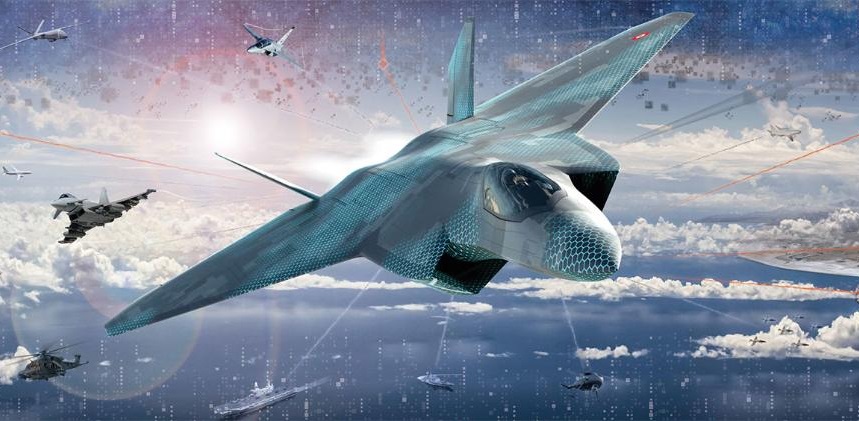
The major purchase could increase tensions with France over the struggling Franco-German Future Combat Air System (FCAS) project, which is facing delays just before entering its next phase. Industry disagreements—particularly between Dassault Aviation and Airbus—have paralysed progress on building a demonstrator aircraft.
German officials blame Dassault for the current deadlock, citing the French company’s insistence on a leading role despite the original 50:50 development agreement. Dassault CEO Eric Trappier recently provoked Berlin by stating, “The Germans can grumble. We know how to do it here,” and when asked if Dassault could build the sixth-generation jet alone, he replied: “The answer is yes.”
With Berlin’s next move set to boost U.S. defence industry interests, the order is also likely to be well received in Washington. Spiegel noted that former U.S. President Donald Trump has repeatedly emphasised that European defence investments should benefit American manufacturers.