

The contract was awarded through an Other Transaction Authority project agreement issued by SOSSEC, Inc. under the Propulsion Consortium Initiative 2.0. The effort supports the U.S. Air Force Propulsion Directorate and is conducted in cooperation with the Air Force Life Cycle Management Center.
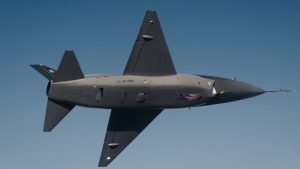
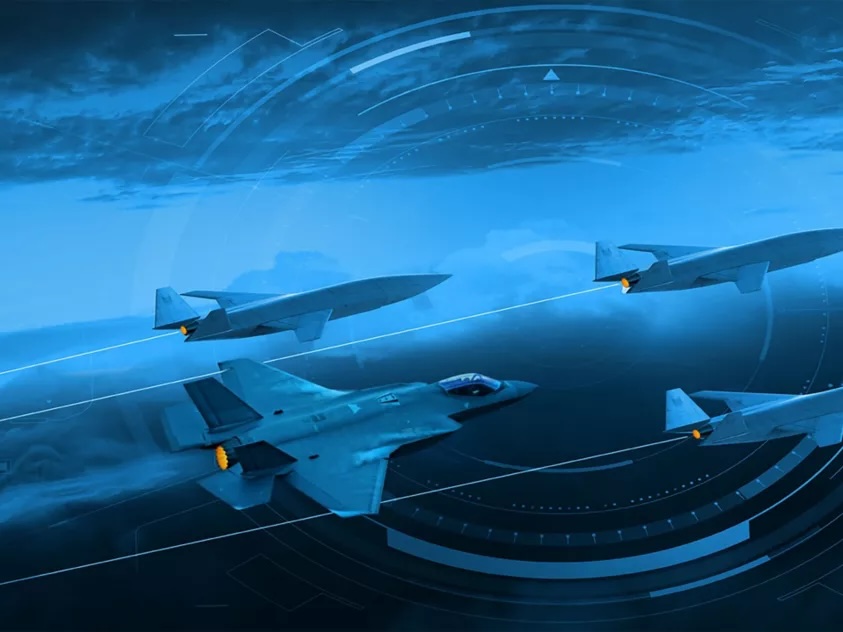
Honeywell’s SkyShot 1600 engine is designed specifically for collaborative combat aircraft and can be adapted for a range of mission requirements. Its architecture allows the engine to operate in either turbojet or turbofan configuration, providing flexibility for different operational scenarios.
The propulsion system is designed to deliver thrust levels ranging from 800 to 2,800 pounds, with the ability to scale further if required. The engine is also built to meet demanding maneuverability requirements, allowing it to support aircraft operating under high G-force conditions.
Honeywell said the design combines long-standing propulsion technologies with newer engineering approaches to meet emerging operational needs. The company aims to provide a propulsion solution capable of meeting the cost, speed and performance requirements of next-generation military platforms.
Dave Marinick, president of Engines and Power Systems at Honeywell Aerospace Technologies, highlighted the technological approach behind the program. “We’ve combined decades of proven technologies with the latest advancements to create an engine that can keep pace with cost, speed and performance demands of next-generation platforms.”
Marinick added that the company expects the engine to support future unmanned and collaborative combat aircraft programs. “We look forward to supporting the U.S. Air Force in the next phase of collaborative combat aircraft and unmanned aircraft systems propulsion efforts.”
Honeywell is applying new design and manufacturing methods to accelerate development of the SkyShot 1600 engine. Advanced digital modeling techniques are being used to enable faster design cycles, evaluate performance more rapidly and improve integration with aircraft systems.
According to the company, these digital engineering methods are expected to reduce production timelines and strengthen supply chain resilience. The approach is also intended to enable efficient and cost-effective manufacturing as the propulsion technology moves toward operational deployment.