

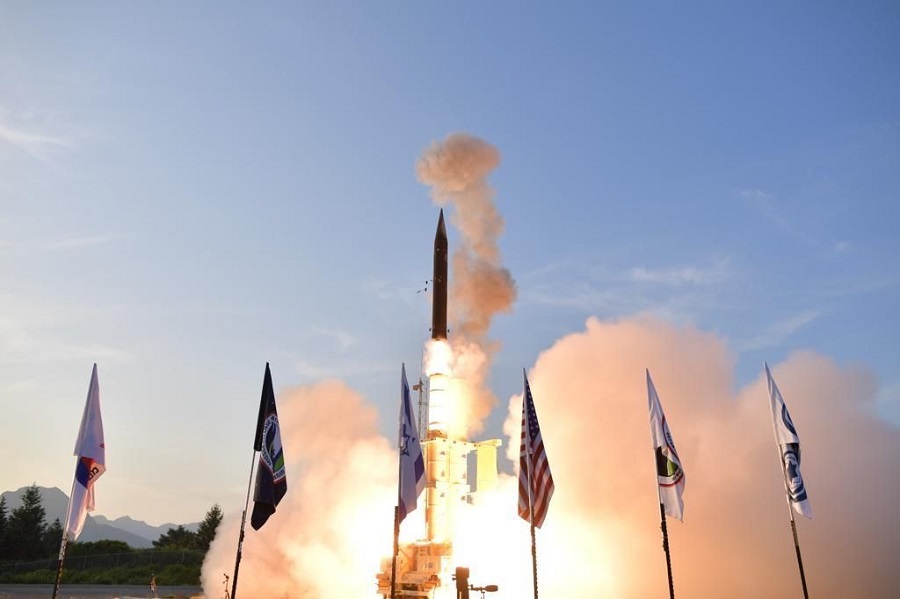
The IDF described the effort as part of a highly coordinated defensive campaign involving multiple layers of technology and joint operations. Israeli and U.S. personnel are working together in shared command centers, monitoring and responding to threats in real time.
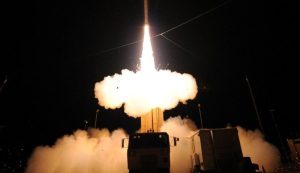
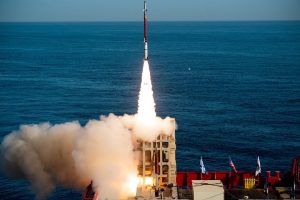
The system combines several layers of defense designed to address different types of threats. These include the Arrow 3 system for exo-atmospheric interception, Arrow 2 and U.S.-supplied THAAD systems for high-altitude engagement, and David’s Sling and Iron Dome for lower-altitude protection.
The IDF said this layered structure is intended to provide resilience and redundancy across the defense network. Each system plays a specific role, collectively forming a comprehensive shield against a range of aerial threats.
Officials emphasized that coordination between Israeli and U.S. forces is central to the system’s effectiveness. The IDF said both sides share data, track threats and make decisions jointly during operations.
The military described this level of integration as operational rather than symbolic. It said that real-time coordination allows for rapid responses, where “Israeli and American systems are not operating in parallel—they are operating together.”
According to the IDF, interception rates have exceeded expectations, reducing the potential impact of incoming attacks. The military added that ongoing air operations are also contributing to a decline in the volume of incoming fire.
Despite these results, the IDF said the threat environment remains complex and dangerous. Officials noted that each incoming missile presents unique challenges, including advanced and high-speed systems.
The statement also highlighted the impact of recent attacks on civilians. It said a cluster munition strike in the city of Ramat Gan killed two civilians, described as a married couple in their 70s.
“These cluster munitions are intended to project exactly what I witnessed—death, destruction and an impact spanning a wider area than any other missile attack,” the statement said. The IDF added that it “expresses its most sincere condolences to the families of the victims.”
Additional incidents were reported in southern Israel, including strikes in Dimona and Arad that resulted in more than 100 injuries. The IDF said those affected ranged from a five-year-old child to elderly civilians.
Officials said air defense operations are focused on minimizing harm and protecting civilian populations. Each successful interception, the military said, helps prevent casualties and damage to infrastructure.
The IDF also highlighted the human dimension of the operation, noting that personnel include both active-duty members and reservists. It said the system relies on sustained effort under pressure to maintain readiness.
The military said the long-standing partnership between Israel and the United States has enabled the current level of capability. “For over 20 years, Israel and the United States have built this partnership—training together, developing systems and technology together, and preparing for a moment like this,” the statement said.
The IDF added that lessons learned during ongoing operations are being rapidly integrated into the system. It described modern air defense as an evolving effort aimed at maintaining protection over time.
“The mission is clear: reduce damage, protect civilians, and maintain the integrity of the skies for as long as necessary,” the statement said.