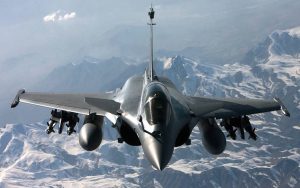


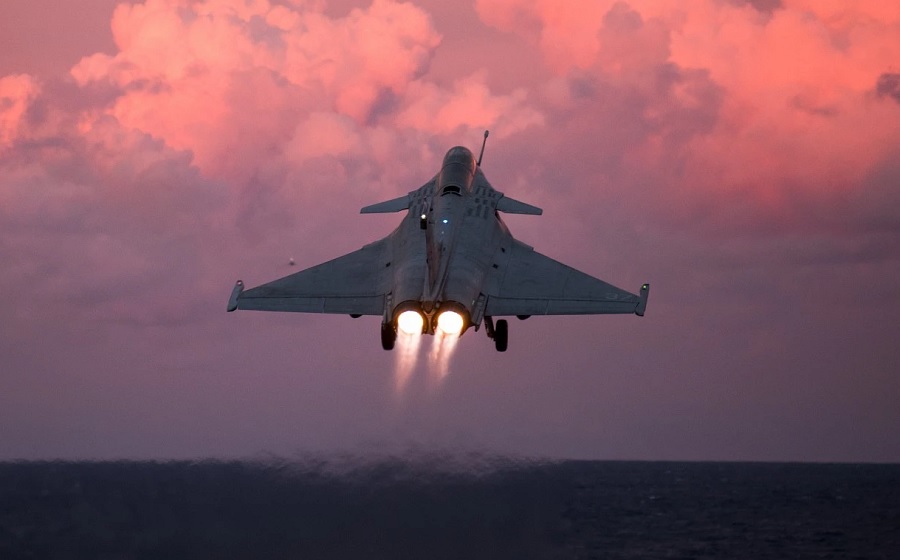
Under the proposed framework, 18 aircraft will be delivered directly from France, while the remaining jets will be completed in India. The initial share of Indian components is expected to stand at 30 per cent, rising to more than 60 per cent as the programme progresses, with production involving the state-owned Hindustan Aeronautics Limited as well as private Indian firms.
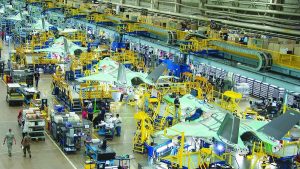
By accepting the French offer, New Delhi simultaneously rejected proposals from the United States and Russia for the sale of fifth-generation fighters, namely the Lockheed Martin F-35 Lightning II and the Sukhoi Su-57. In industrial circles, a potential purchase of those advanced designs had been viewed as a move that could marginalise India’s domestic Advanced Medium Combat Aircraft development programme.
Indian authorities consider the Rafale a proven and readily available solution capable of quickly addressing the shrinking combat strength of the air force. Previous decisions to acquire 36 aircraft for the air force and 26 for the navy proved insufficient in view of the expected retirement of ageing Dassault Mirage 2000, SEPECAT Jaguar and some of the oldest Mikoyan MiG-29 aircraft.
The domestically produced HAL Tejas, currently the only fighter manufactured in series in India, is not expected to replace those platforms at sufficient pace and remains categorised as a light combat aircraft. As a result, the Rafale is set for a period to become the Indian Air Force’s second main combat aircraft after the Sukhoi Su-30MKI in terms of fleet size.