
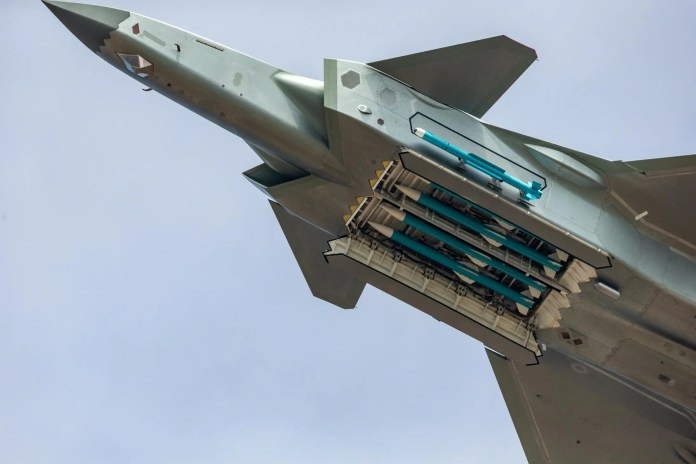
Indian forces had assumed that the PL-15E could engage targets at a maximum range of approximately 150 kilometres. In reality, the Rafale was reportedly shot down from a distance of around 200 kilometres or more.
As a result, Indian pilots mistakenly believed they were operating outside the missile’s strike zone. Additionally, Pakistan had established a data transmission system allowing early-warning Saab 2000 Erieye aircraft to share targeting data with Chinese jets, improving coordination.
The aerial battle on the night of 6–7 May involved approximately 110 aircraft, including around 70 from India. According to available information, India lost between two and five fighter jets, including at least one Rafale and one upgraded Russian-designed Su-30MKI, the latter reportedly vulnerable to electronic warfare systems.
Following the initial engagement, India adjusted its tactics, increasing the use of BrahMos missiles and successfully avoiding further losses of manned aircraft. Pakistani losses remain unclear, though Reuters states that an early-warning aircraft was reportedly hit on the ground, and infrastructure such as radar systems may also have been damaged.
A ceasefire was secured after several days through US mediation. While details of the clashes are still under analysis, the performance of Chinese-made weaponry has drawn attention, with Reuters noting that “Chinese weaponry turned out to be more dangerous than expected,” prompting growing interest from export customers.
Pakistani forces are also believed to have executed the longest successful air-to-air missile strike in history during the engagement.
Source: Reuters.