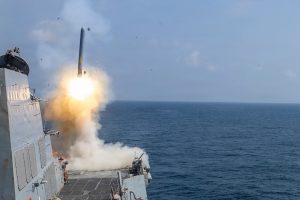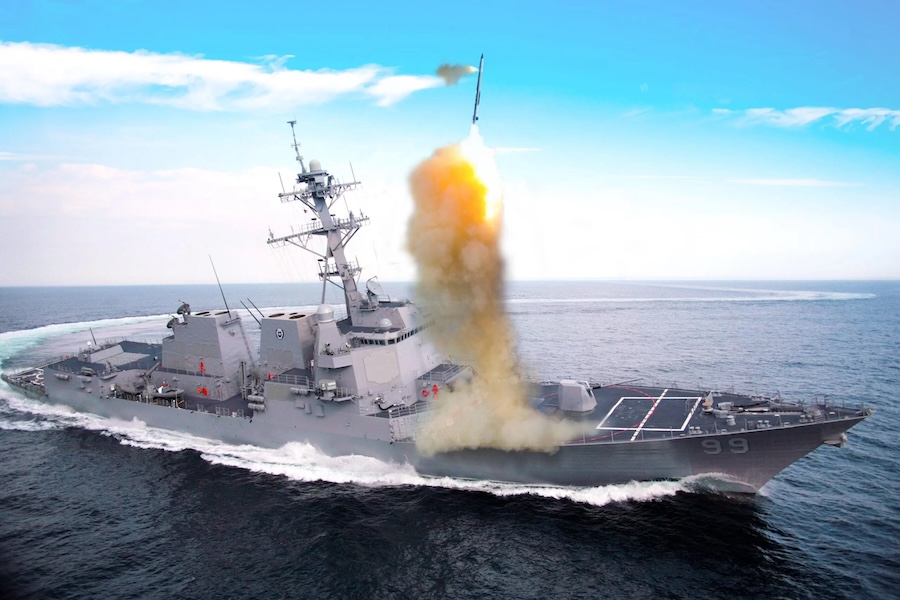


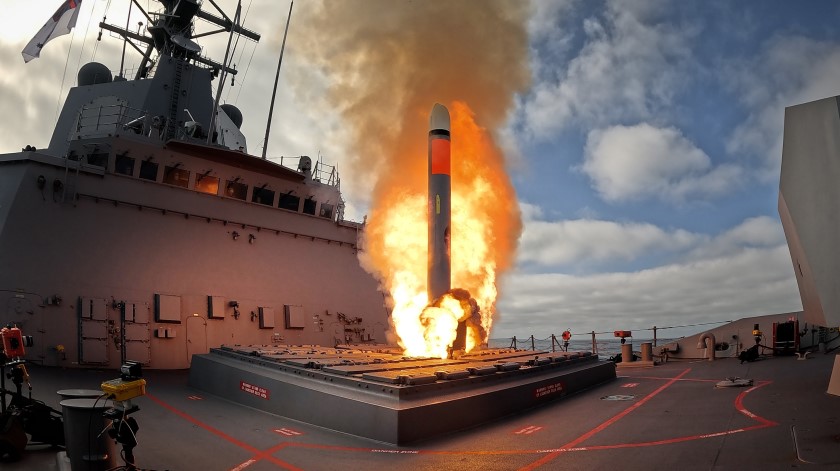
The missiles are a key component of Tokyo’s strategy to develop long-range strike capabilities in response to regional threats from China and North Korea. Japan signed a $2.35 billion deal in 2024 for around 400 Tomahawks, one of the largest foreign purchases of the system.
The United States has launched hundreds of Tomahawk missiles during strikes on Iran, one person familiar with the matter said. Prior to the conflict, U.S. stockpiles included about 4,000 missiles, including older variants and anti-ship versions.
Production levels have struggled to keep pace with demand. RTX produced about 100 new missiles in 2025, while around 240 older units were upgraded to the latest Block V configuration.
According to one source, more than two years’ worth of combined production has already been consumed in the conflict. U.S. officials have told Japan that supplying ongoing operations in Iran is now the priority, two people familiar with the matter said.
It remains unclear whether the U.S. will meet the overall delivery deadline for Japan’s order. Japanese Defense Minister Shinjiro Koizumi said in March that an initial shipment of missiles had already been received.
Koizumi also held discussions with U.S. Defense Secretary Pete Hegseth in mid-March regarding the Iran conflict. While official statements did not reference missile supplies, sources said the issue was raised during at least one of the calls.
The Pentagon declined to comment on the situation, and Japan’s defense ministry did not respond to requests for comment. An RTX spokesperson said he was unaware of any notification to Japan regarding delivery disruptions.
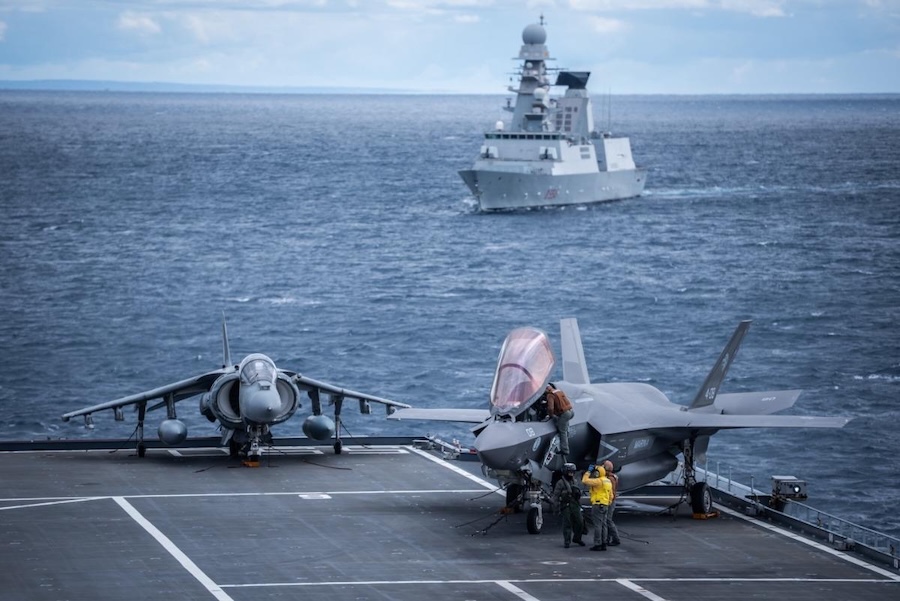
The delay comes as Japan continues to strengthen its long-range strike capabilities. The destroyer Chokai has completed modifications in the United States, becoming the first Japanese warship capable of launching Tomahawk missiles.
Japan has also deployed domestically produced systems to complement its arsenal. On March 31, Koizumi announced the deployment of extended-range Type 12 missiles and Hyper Velocity Gliding Projectiles to bases in southern and central Japan.
“it was a wise choice that Japan has developed various types of indigenous long-range missiles,” said Hirohito Ogi, a former Japanese defense ministry official. Analysts say these efforts may help mitigate the impact of delays in U.S. deliveries.
China has expressed concern over Japan’s expanding missile capabilities. Government spokeswoman Mao Ning said Beijing was “gravely concerned” and described the deployments as “another signal that Japan’s right-wing forces are pushing for a more offensive and expansionist defence policy”.
The situation reflects broader pressures on U.S. munitions supply chains amid global conflicts. “As the US tries to replenish its stocks, its allies and partners will feel the pinch,” said Becca Wasser, defense lead at Bloomberg Economics.
Wasser added that U.S. prioritization of its own needs could affect foreign military sales. She said the administration’s “America First” approach places domestic requirements ahead of allied orders.
Efforts to expand production may take time to materialize. The Pentagon has set a goal of increasing Tomahawk output to 1,000 units, but analysts say achieving that level could take years.
Recent procurement trends highlight the challenge. Since fiscal year 2021, the U.S. has purchased only 322 Tomahawks, with no new missiles acquired in several recent fiscal years despite rising demand.
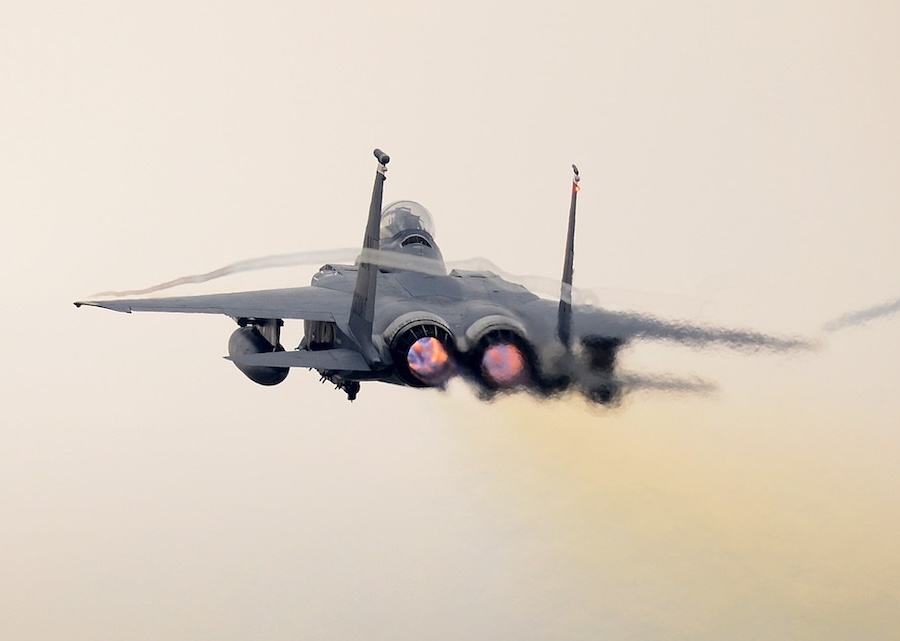
The strain on resources extends beyond munitions. U.S. forces have also redeployed personnel and equipment to the Middle East, including Marines and air defense assets previously stationed in Asia.
These developments have raised concerns among U.S. allies in the region. Officials warn that shifting resources could affect readiness against other strategic challenges.
Source: Bloomberg.