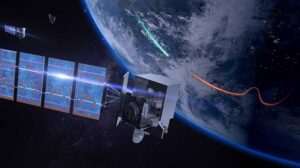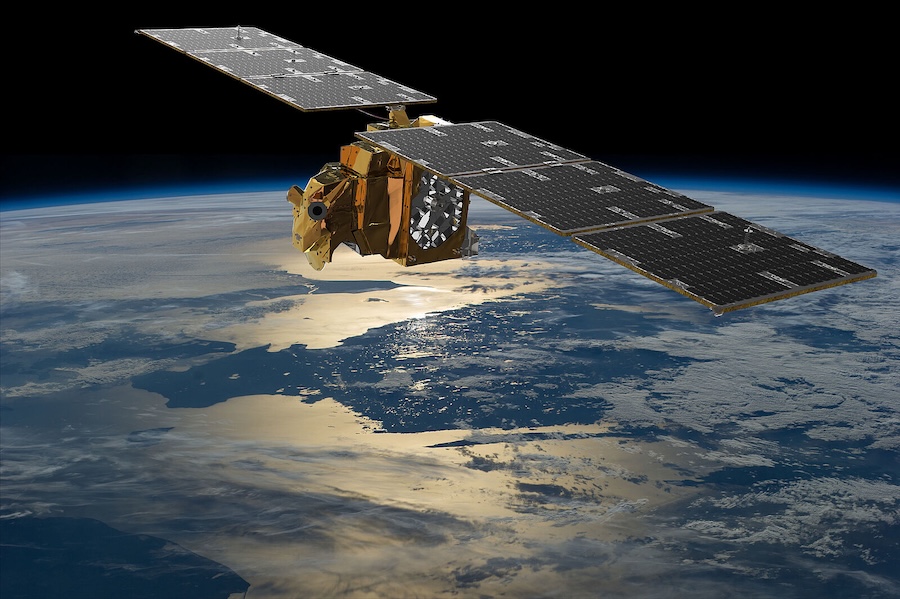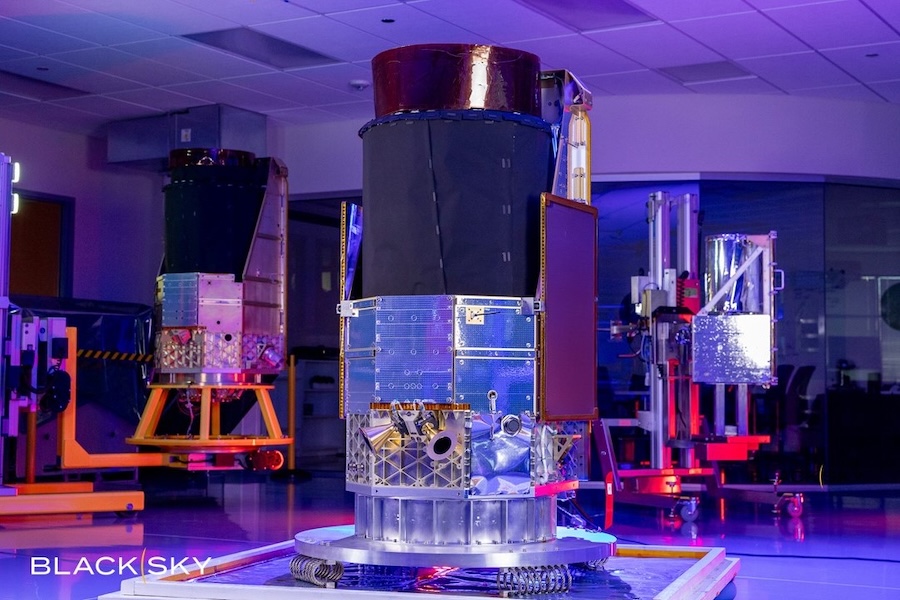



This development supports the accelerated deployment of enhanced U.S. missile warning and tracking capabilities through a next-generation, layered defence system. The Tranche 2 design enables real-time detection, tracking, and targeting of advanced missile threats on a global scale with low latency.
“L3Harris is committed to working closely with SDA to put proliferated missile warning and tracking capability on orbit as quickly as possible,” said Rob Mitrevski, President, Golden Dome Strategy and Integration, L3Harris. “We demonstrated that L3Harris’ production design approach achieves both of SDA’s pillars of proliferation and spiral development.”
The company confirmed its Tranche 2 production builds on experience from previous SDA tranches and the Missile Defense Agency’s Hypersonic and Ballistic Tracking Space Sensor (HBTSS) satellites. The review verified that L3Harris’ space vehicle and ground system designs meet all mission requirements.
L3Harris’ production facilities have already begun assembling key components of the Tranche 2 space vehicles to support the SDA’s rapid deployment goals. “Our relentless pursuit of continued design improvement at scale is how L3Harris will answer the President’s call for a robust constellation of space-based sensors that can defend our nation against complex threats,” Mitrevski added.
The company is delivering capabilities across all three tranches of the SDA’s Proliferated Warfighter Space Architecture (PWSA), designed to offer near-global missile warning, tracking, and defence coverage from low Earth orbit. It is also building eight electro-optical infrared payloads for SDA’s FOO Fighter programme.
To support these national defence priorities, L3Harris has invested hundreds of millions of dollars in its U.S. manufacturing infrastructure. This includes a $250 million investment to expand facilities in Indiana, Florida, and Massachusetts for space-based missile defence technologies.
L3Harris also produces a variety of complementary technologies, including advanced satellites, multi-domain ISR, datalinks, fire-control sensing systems, and propulsion and control solutions for missile interceptors. These systems support broader goals under the Golden Dome strategic vision.