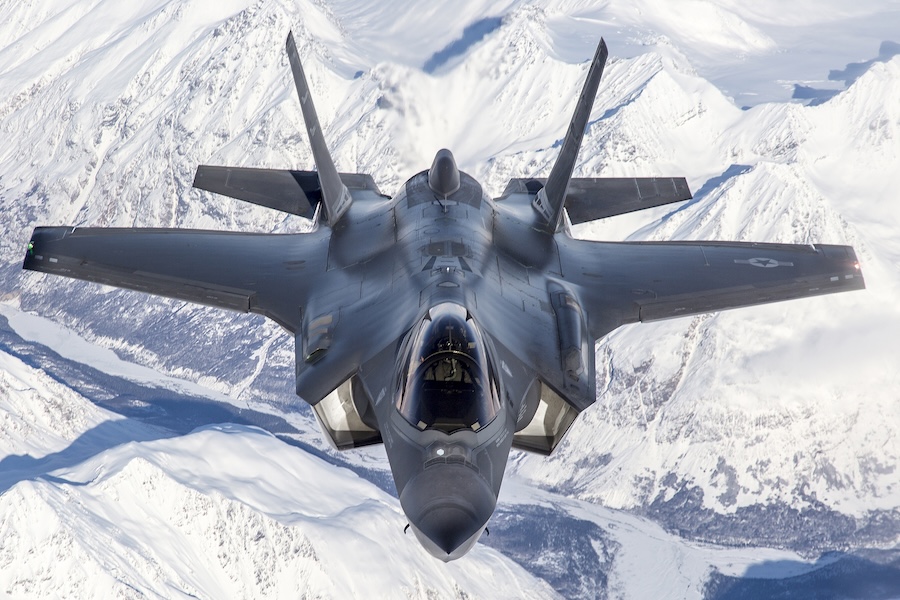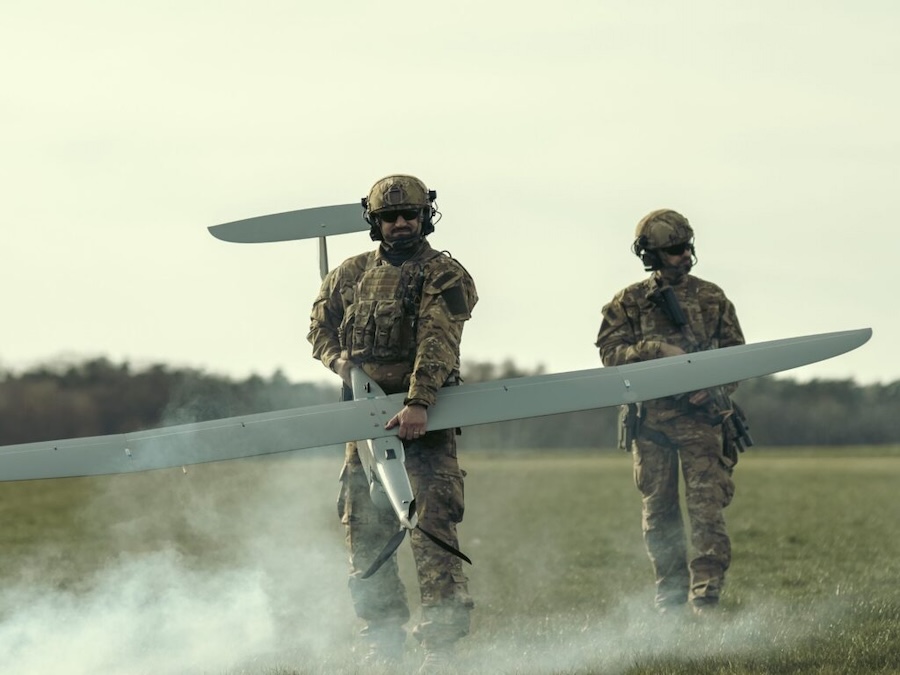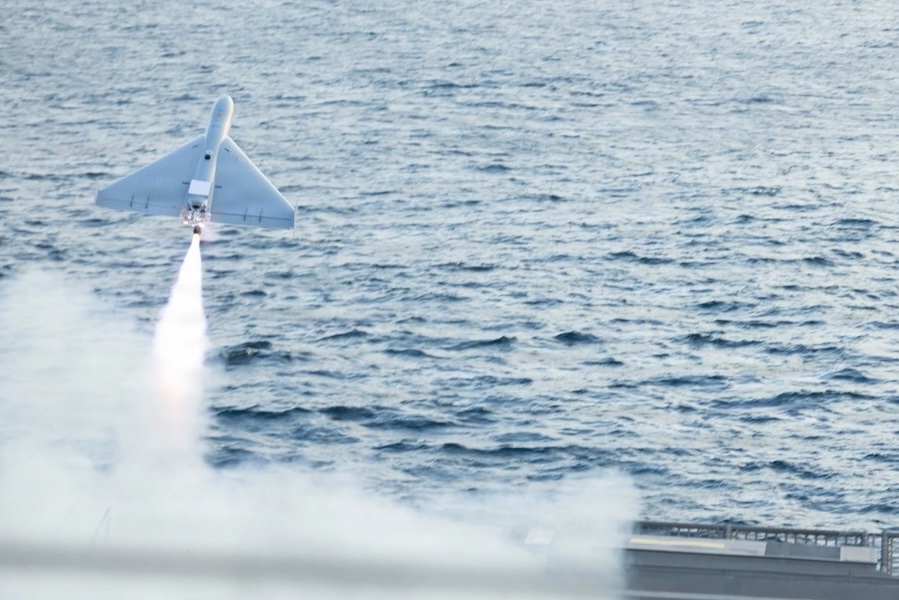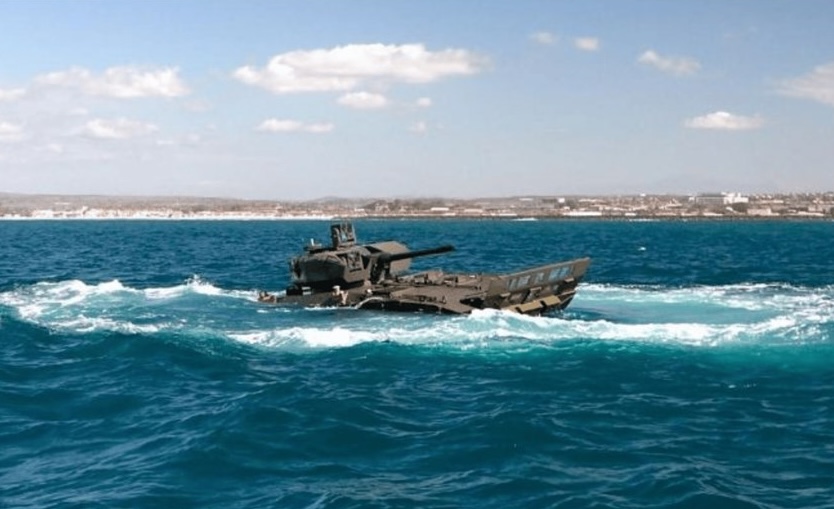


Ed Zoiss, President of Space and Airborne Systems at L3Harris, said current operational demands require rapid adaptability. “Today’s warfighters need tools that can adapt to rapidly changing threats and environments,” he said. “L3Harris’ advanced EW offerings are designed to be flexible, reprogrammable and ready to meet the demands of the increasingly complex battlespace.”
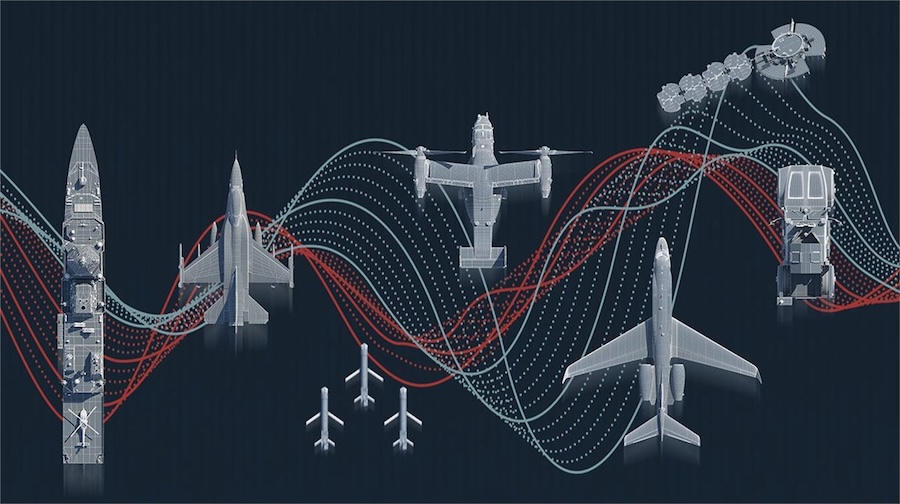
The company stated that its systems allow U.S. and allied forces to integrate new functions into a single platform or link multiple capabilities into a wider network. This flexibility, it added, has been demonstrated in exercises such as the U.S. Army’s Vanguard 2024, the U.S.-Australian Talisman Sabre 2025 and the U.S.-U.K. VANAHEIM 2025.
L3Harris also pointed to its role in modernisation efforts, including Viper Shield upgrades for the global F-16 fleet and enhancements in counter-unmanned systems and multi-domain munitions, along with work on Counter Communications Systems. It noted further that advanced solutions such as the EA-37B Compass Call and modified G550 aircraft with electromagnetic attack capabilities are supporting missions in Italy and Australia.
Compass Call is being delivered through a partnership between defence and aerospace leaders L3Harris Technologies and BAE Systems, who serve as co-prime contractors on the programme. L3Harris is responsible for platform integration, including the migration — or “cross-decking” — of the legacy EC-130H Compass Call mission system onto a highly modified Gulfstream G550 airframe, resulting in the next-generation EA-37B configuration with enhanced operational capabilities. BAE Systems serves as the mission system prime contractor and leads mission system engineering, integration and testing to ensure the platform’s advanced electronic attack capability is fully realised. Together, the companies are combining their complementary expertise to deliver a critical electromagnetic warfare capability to warfighters.
L3Harris is promoting what it describes as an integrated enterprise approach, highlighting the Sky Warden system whose modular design enables future use alongside Launched Effects. According to L3Harris, this positions the platform as a potential electronic warfare asset for special operations forces.
L3Harris said its collaboration with universities, government researchers and partners is producing smaller, more affordable systems suited to drones, portable platforms and single-use devices such as missiles and decoys. It explained that reprogrammable and cognitive systems can be updated manually or automatically using artificial intelligence, allowing them to learn and respond to new threats while reducing the workload on operators.
The company described its portfolio as modular and scalable, allowing systems to be quickly adapted and networked for flexible and cost-effective operations. It highlighted the next-generation Gladius multimission electromagnetic countermeasures system as an example of how it aims to retain an advantage over sophisticated threats.
L3Harris said it remains committed to advancing electronic warfare technology and supporting forces with the tools required to maintain a tactical edge in an increasingly complex environment.