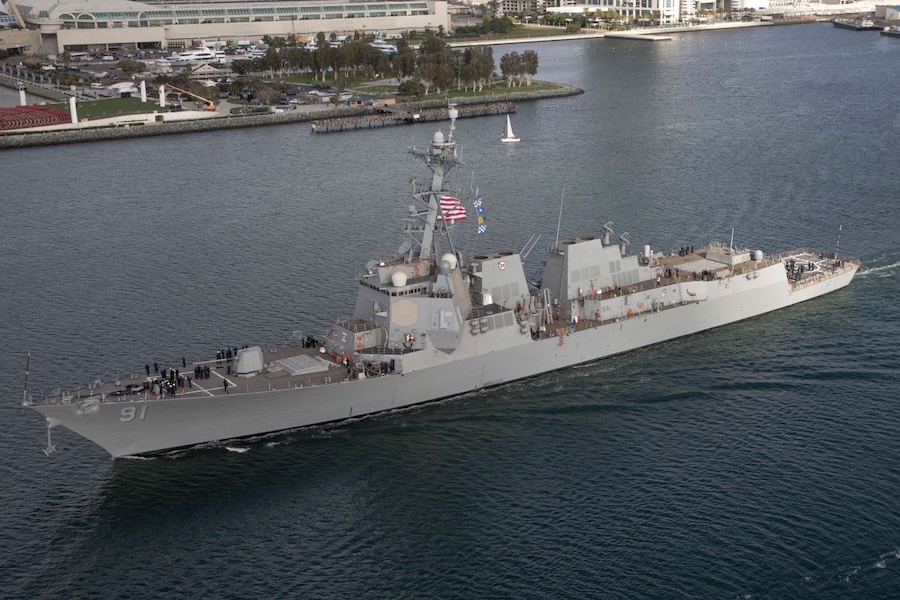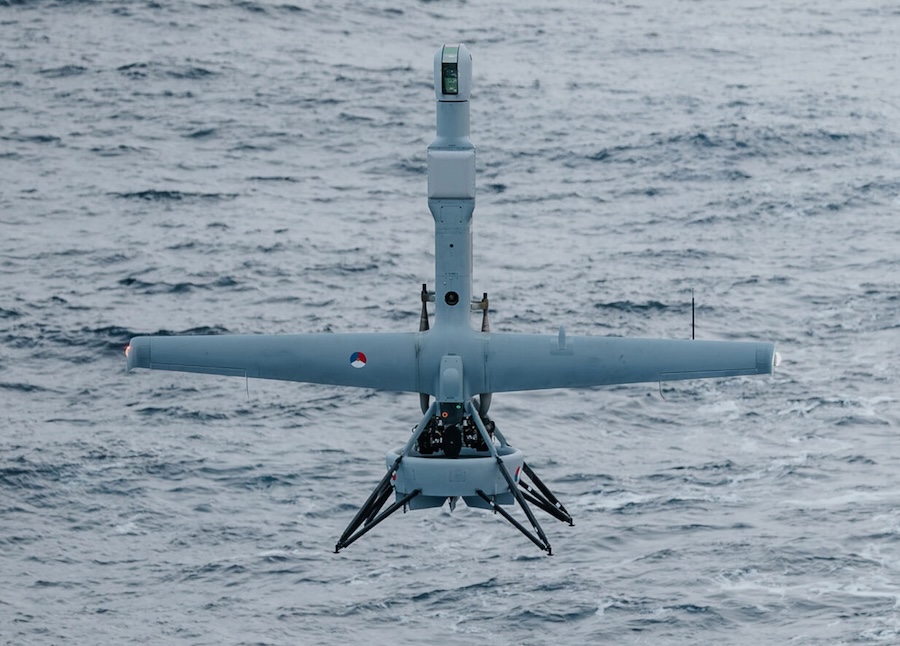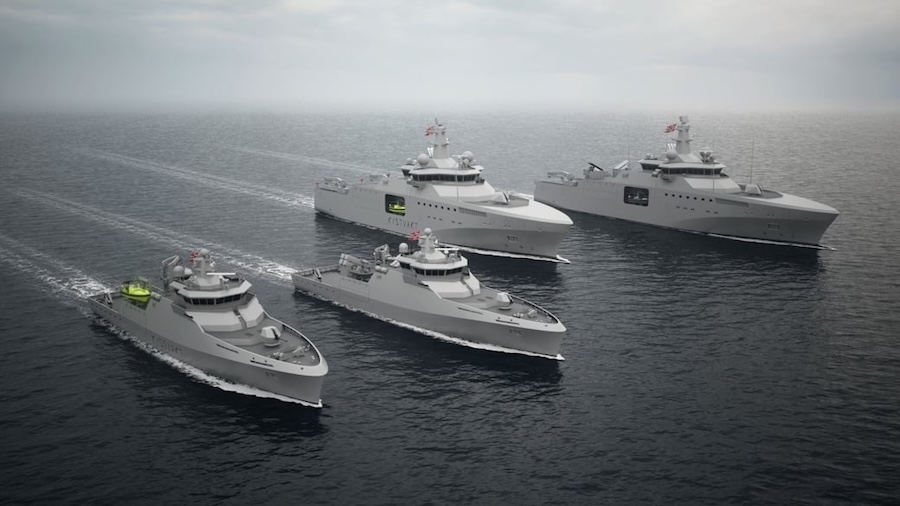


The systems will be integrated into up to six uncrewed aircraft systems intended for deployment on Halifax-class ships. The project is part of the Navy’s Intelligence, Surveillance, Target Acquisition and Reconnaissance Uncrewed Aircraft Systems program.
Officials said the new capability is designed to enhance maritime surveillance and threat detection. The sensors will enable long-range observation, target identification and imaging support for naval operations.
The ISTAR UAS program is expected to improve the Navy’s ability to monitor maritime environments both domestically and during international missions. It also supports broader efforts to integrate uncrewed systems into naval operations.
“The collaboration with MDA Space will significantly enhance the RCN’s ability to detect and monitor potential maritime threats, both at home and abroad,” said Tom Kirkland.
“Our technology on new UAS platforms is an example of how we are helping to advance Canada’s defence with high-performance, electro-optical/infrared imaging solutions,” he added.
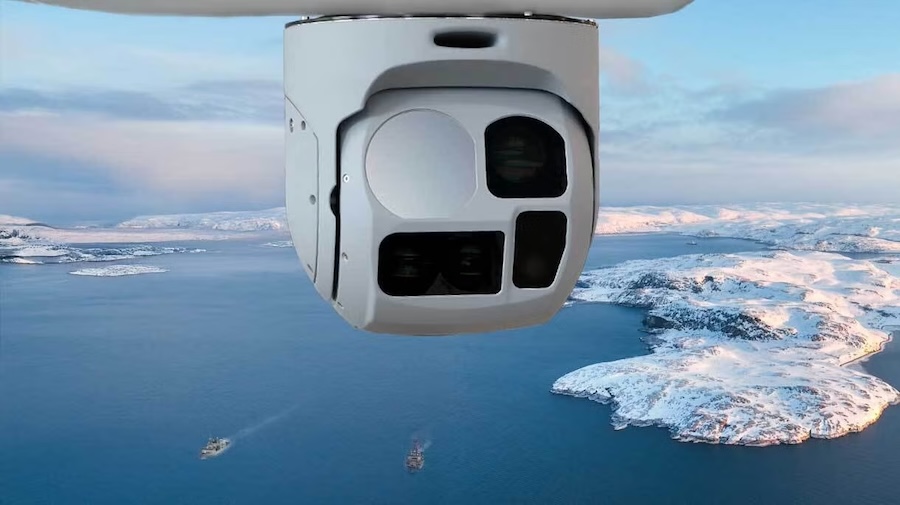
The WESCAM CMX-8 system provides advanced electro-optical and infrared capabilities designed for surveillance and targeting. These systems are intended to extend operational reach and improve situational awareness in complex maritime environments.
By integrating these sensors with uncrewed platforms, the Royal Canadian Navy aims to enhance its ability to detect and respond to potential threats. The program also contributes to the development of expertise in operating uncrewed systems.
Officials said the capability will support a wide range of naval missions, including intelligence gathering and reconnaissance. It is also expected to strengthen Canada’s overall maritime security posture.
L3Harris said its role in the program reflects its continued involvement in supporting defense modernization efforts. The company provides a range of advanced technologies for surveillance, communication and mission systems worldwide.