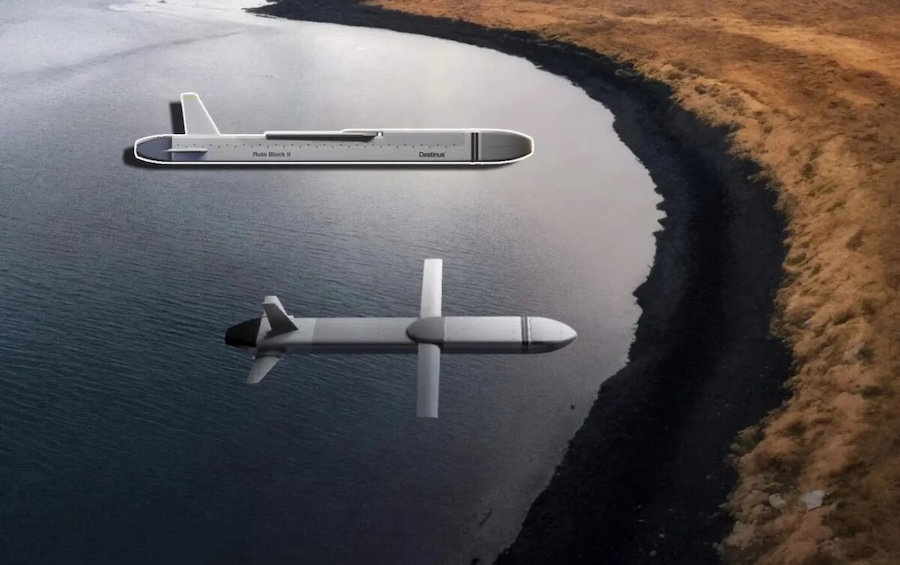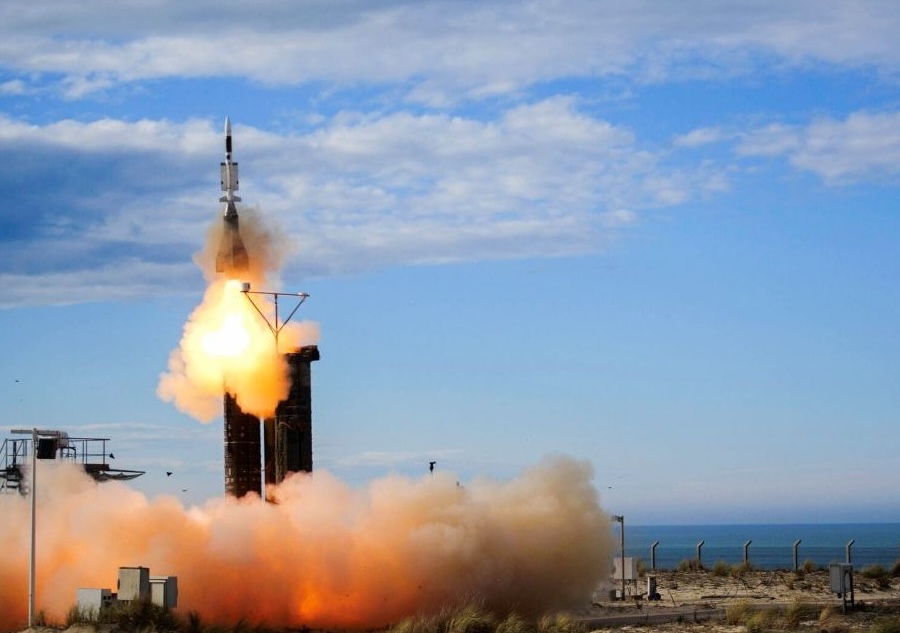


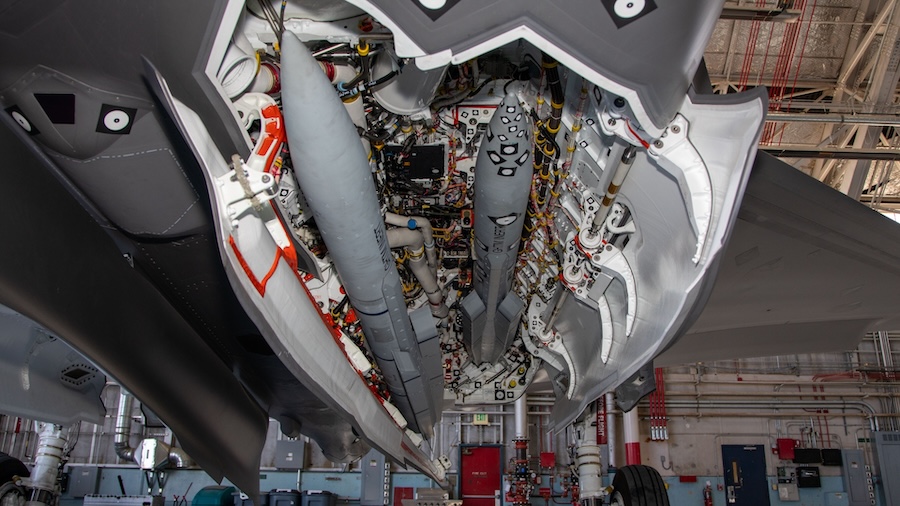
Engineers reviewed the data from the trials to verify hardware responses between the 5th Generation aircraft and the missile. Their analysis confirmed that the integration is progressing as intended ahead of airborne testing.
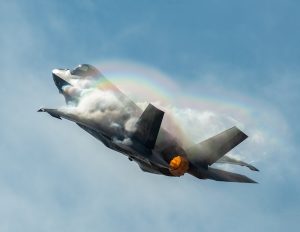
One final ground test is required before flight testing begins, bringing the Meteor and F-35A closer to operational capability. The recent work follows the Royal Air Force’s announcement of successful Meteor flight tests on an F-35B, with the UK leading that integration effort and Italy sponsoring integration on the F-35A.
According to the programme partners, the combination of the F-35 sensor suite and Meteor’s kinematic performance will provide the UK and Italian operators with the operational advantage they expect. Both nations view the integration as central to enhancing their future air combat capability.
Lockheed Martin notes that the F-35 Programme continues to strengthen UK security while supporting national industry. The company states that every aircraft delivered involves British workers and that the UK will support more than 3,600 aircraft across the life of the programme.
The National Audit Office reports that £11 billion has been invested in the programme, with £22 billion returned to date. Programme officials highlight these figures as evidence of the F-35’s wider economic value to the UK.
Source.: f35.com.