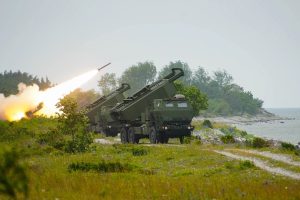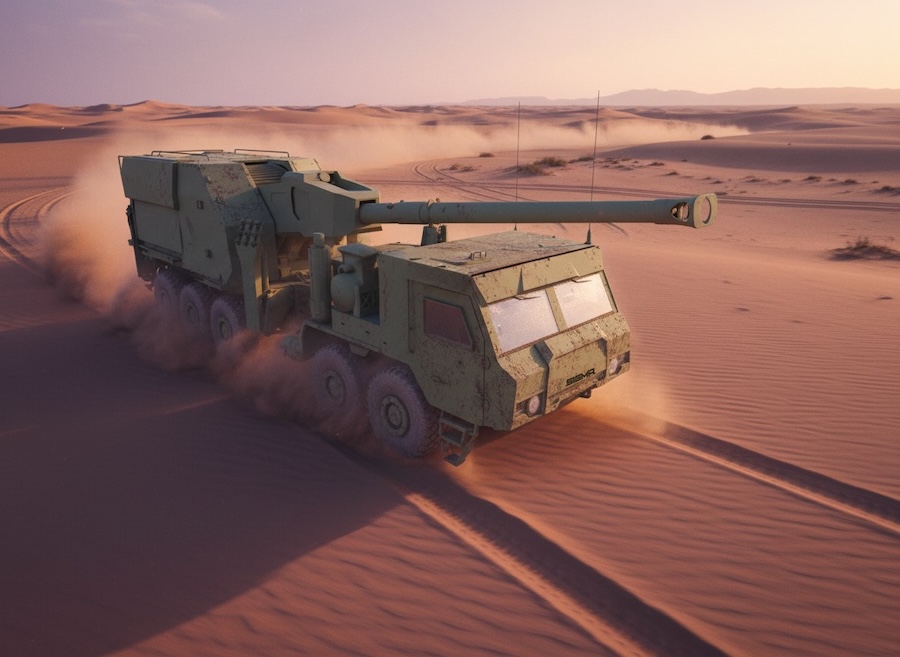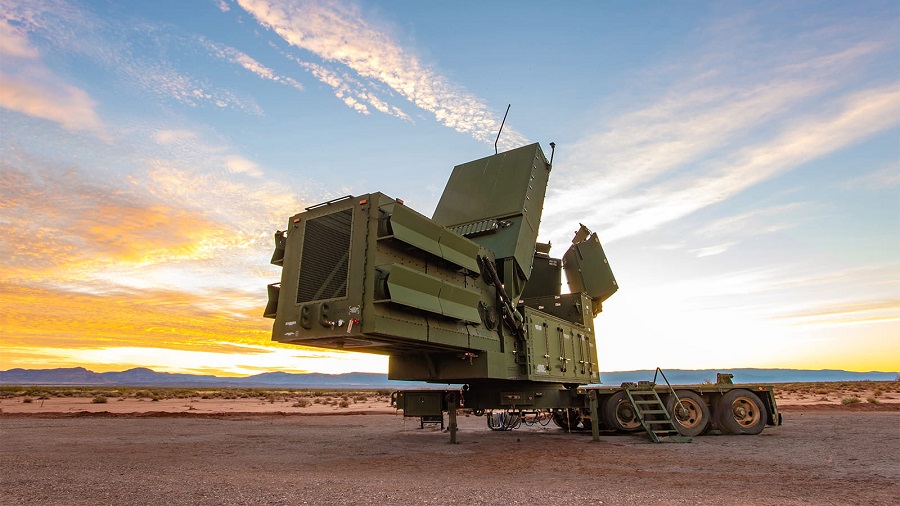
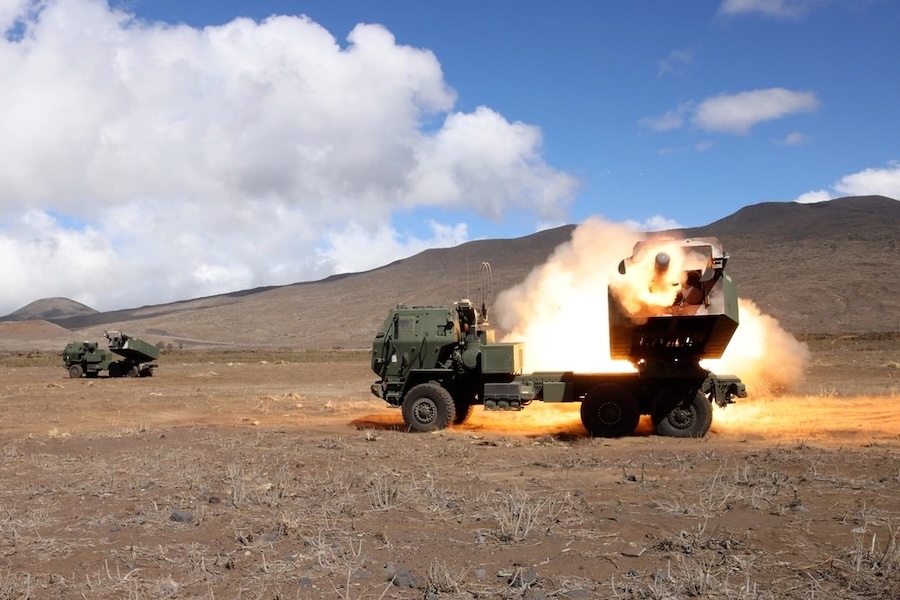
The company described HIMARS as a launcher designed for mobility and flexibility, allowing forces to deploy quickly, fire, and reposition to remain unpredictable and survivable in contested environments. Rather than relying on fixed infrastructure, launcher-based solutions allow commanders to project precision fires forward while adapting to changing conditions and basing constraints.
Lockheed Martin emphasized that HIMARS should be viewed as a multi-mission launcher capable of employing a range of munitions for different operational needs. This flexibility supports layered offensive and defensive effects, enabling commanders to scale fires and adjust depth of engagement without adding new systems or operational complexity.
According to the company, HIMARS integrates with joint and allied sensors, command-and-control networks, and other shooters to enable coordinated, multi-domain operations. Extended-reach munitions, with effects ranging from 15 to 499 kilometers, allow forces to influence the battlespace earlier and from safer distances while compressing the timeline from detection to engagement.
Lockheed Martin said more than 750 HIMARS launchers have been delivered to U.S. and partner forces, with continued deliveries expanding capacity and reinforcing regional deterrence, including initial deliveries to Australia last year. The company added that ongoing munitions testing and participation in multinational exercises, including demonstrations at Talisman Sabre 25, support the system’s adaptability and long-term relevance, a theme highlighted during the Singapore Airshow.