

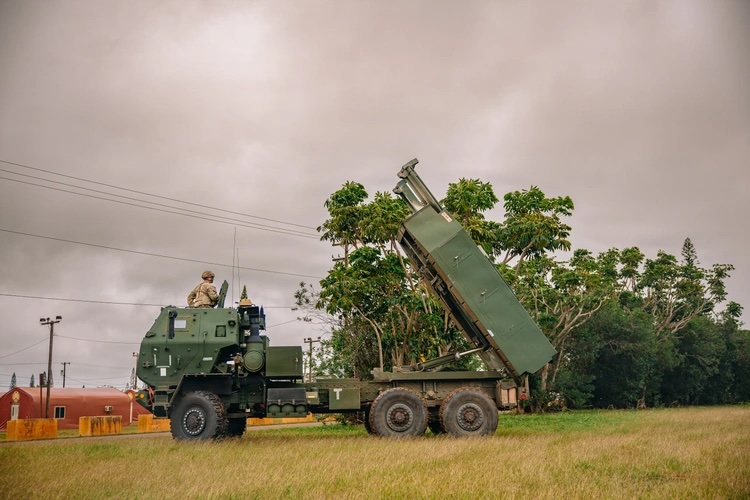
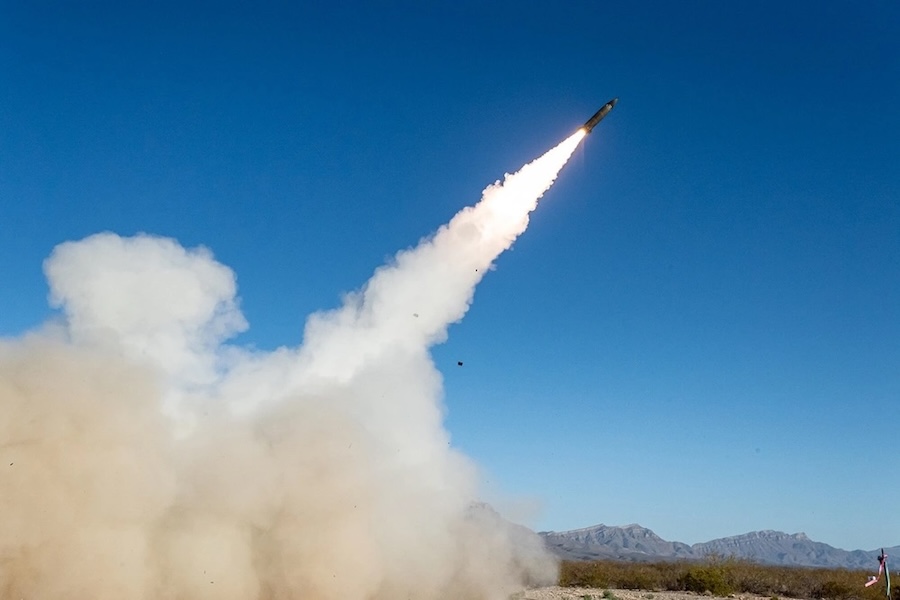
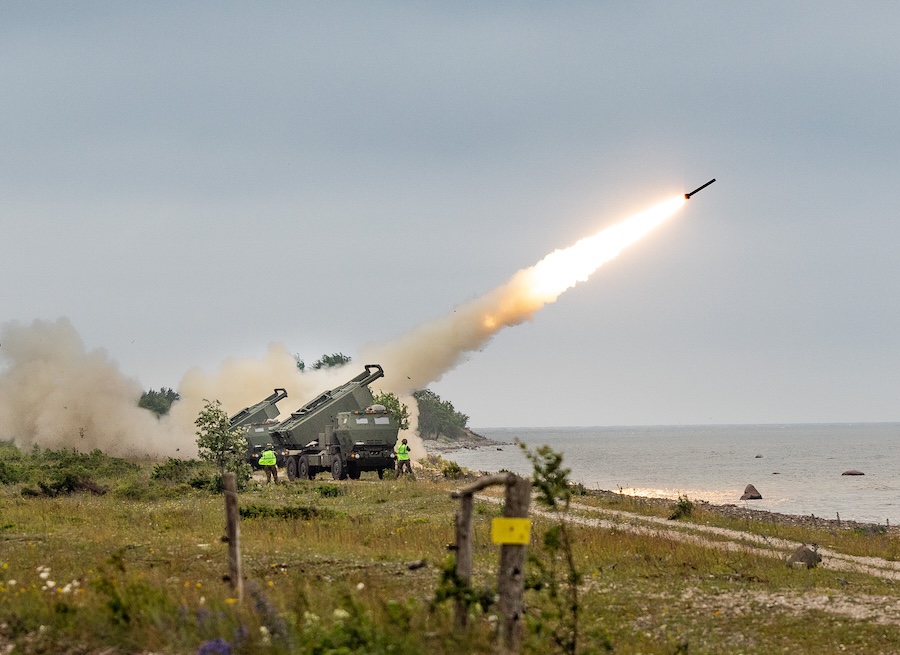
During the exercise, soldiers from the 25th Infantry Division used the NGC2 prototype to assess sensor-to-shooter connections in real time. The system supported live firing of HIMARS rockets and M777 howitzers under operational conditions.
The prototype integrates AI-powered data and mission applications developed by Lockheed Martin in partnership with Raft, Accelint and Rune. These capabilities are combined with the Army’s C2 Fix transport and compute layers to deliver a full-stack NGC2 solution.
Raft’s Data Platform served as the foundational data layer, allowing electronic warfare targeting information, drone video feeds and battle damage assessment reports to be combined into digital fires systems. The demonstration showed that sensors, shooters and damage assessments could communicate effectively under live-fire conditions.
Soldiers provided voice commands through Raft’s AI Mission System to automate tasks while integrating high-definition video and live drone locations. According to Lockheed Martin, this reduced the time between target identification and airspace clearance for fires.
At the same time, Accelint’s Neo mission command interface provided commanders with a unified, real-time operational picture. The interface rendered live track data, unmanned aerial system positions and multi-source feeds in a single display designed to maintain clarity in contested environments.
As weapons systems fired, ammunition levels were automatically recorded and linked to Rune’s TyrOS Platform. The company said this demonstrated improved logistics and sustainment forecasting by providing commanders with predictive logistics information.
“Our team’s participation in the U.S. Army’s NGC2 initiative and Lightning Surge events shows what we can achieve when the Army, 25th Infantry Division, Lockheed Martin, and best-of-breed industry partners work together,” said Chandra Marshall, vice president of multi-domain combat systems at Lockheed Martin. “We have a dynamic team based on the demands and priorities of the unit to stay agile, iterate rapidly, and bring warfighter centric capabilities to the battlefield faster than ever before.”
Lockheed Martin stated that feedback from soldiers is incorporated into each Lightning Surge exercise. Lightning Surge 3 is scheduled for April 2026 and will focus on an airspace mission thread in support of the 25th Infantry Division, with additional functionality to be added to the scalable NGC2 prototype architecture
.





![CENTCOM chief says U.S. forces remain ready after ‘generational’ defeat of Iran despite fragile ceasefire [VIDEO]](https://defence-industry.eu/wp-content/uploads/2026/04/centcom-chief-says-us-forces-remain-ready-after-generational-defeat-of-iran.jpeg)
![Team Lynx details XM30 infantry fighting vehicle concept as U.S. Army program nears key decision [VIDEO]](https://defence-industry.eu/wp-content/uploads/2026/04/team-lynx-details-xm30-infantry-fighting-vehicle-concept.jpeg)