

The air training, described as a Flexible Deterrent Option mission, was designed as a deterrence-oriented, carefully tailored and scalable activity intended to make the skies safe through robust Integrated Air and Missile Defence. The mission signals Allied resolve and provides NATO decision-makers with a range of response options during the early stages of a developing real-world situation.
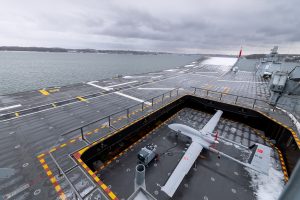
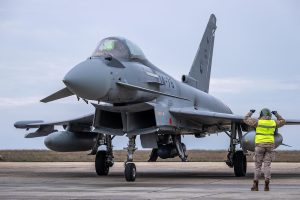
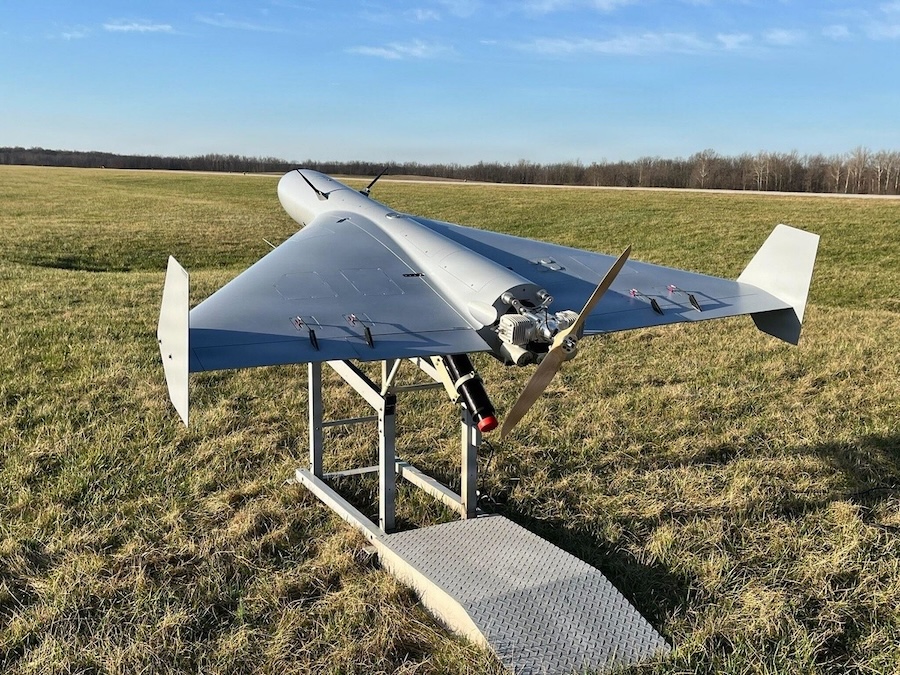
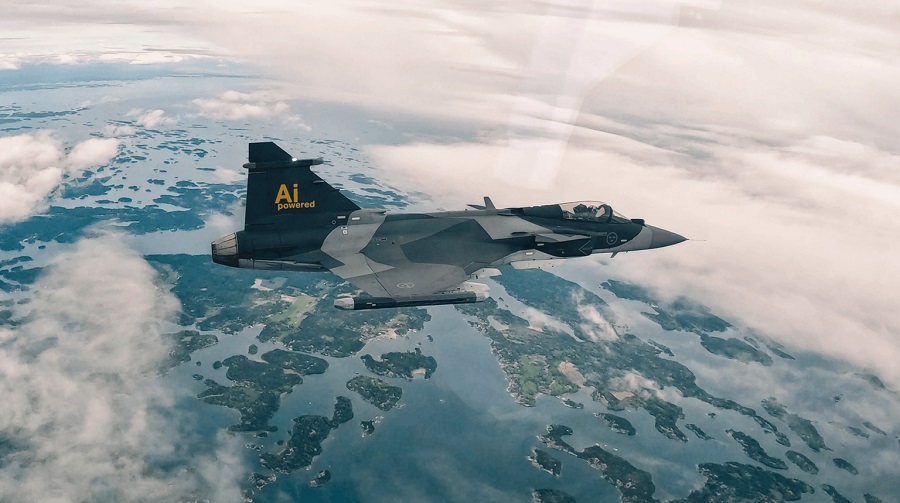
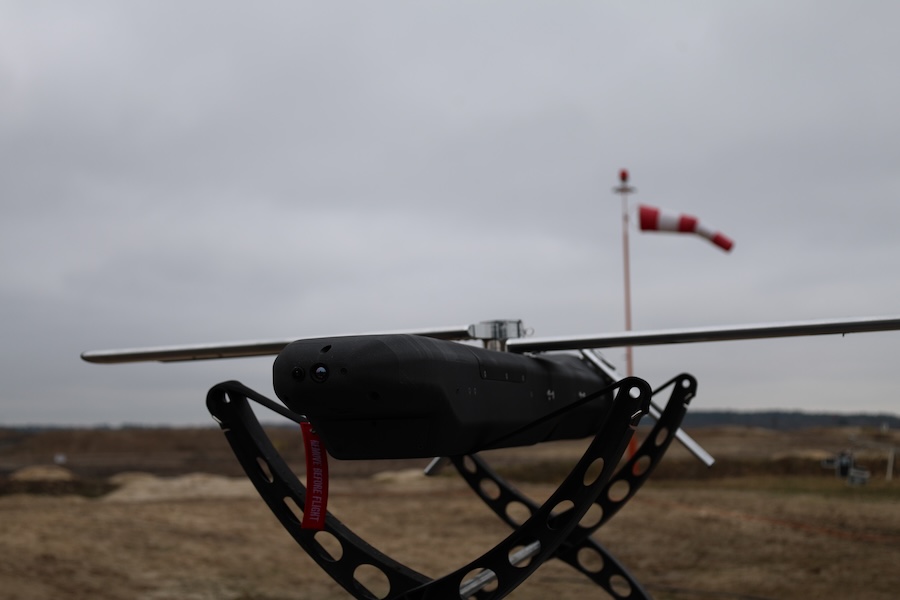
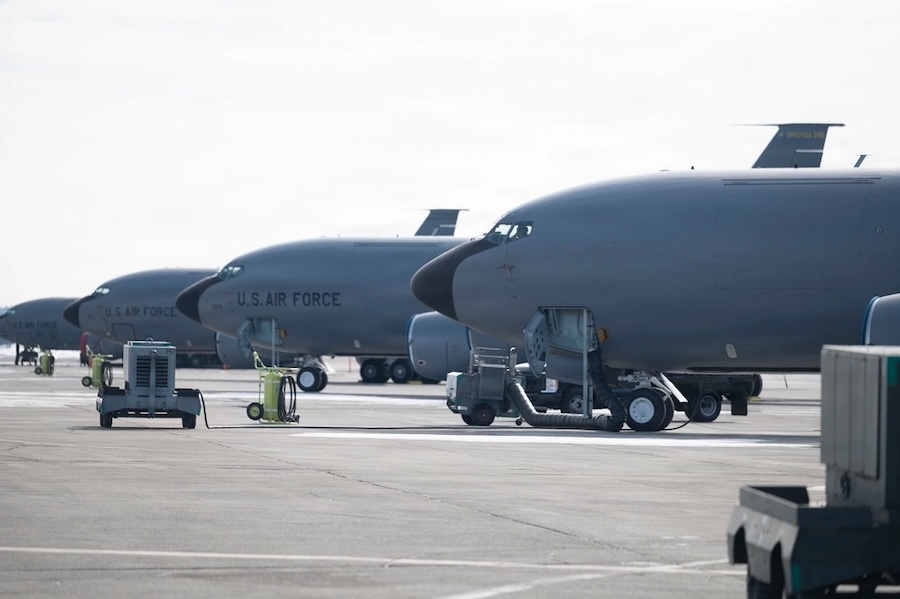
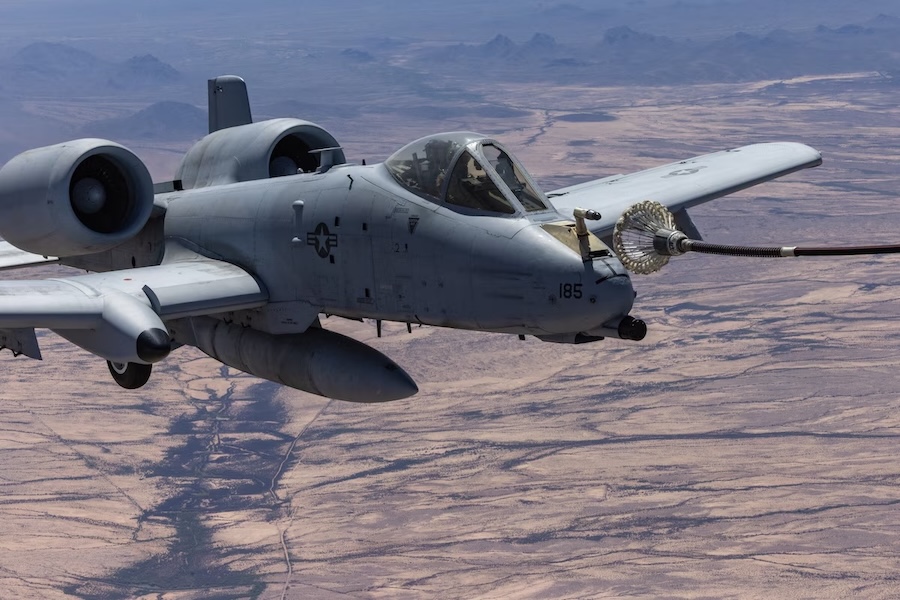
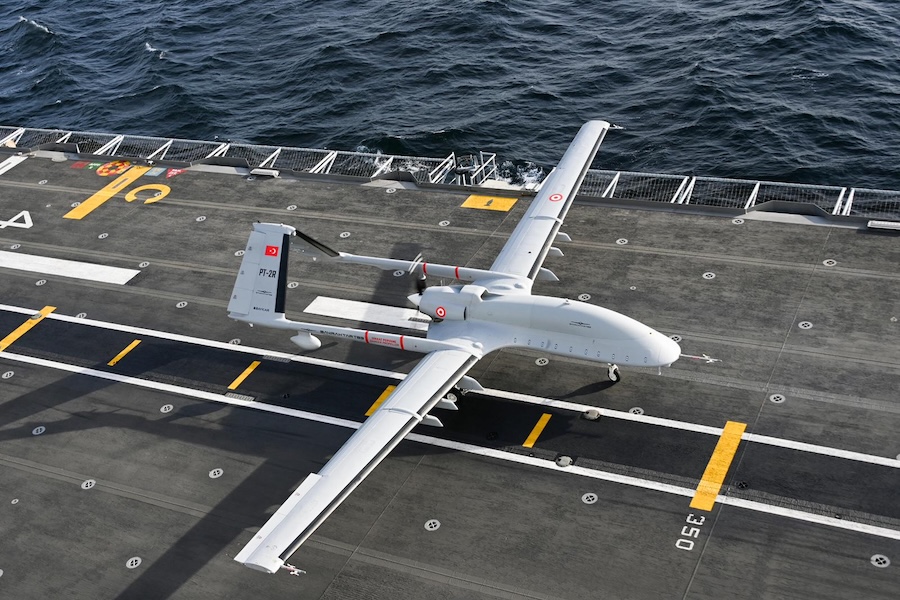
The exercise brought together German and Italian Eurofighters as well as Spanish F-18s, supported by a Spanish A400M tanker aircraft. It focused on practising counter-UAS tactics, including operations involving a Turkish Baykar Bayraktar TB3 unmanned aerial vehicle.
Practising counter-UAS tactics is central to NATO’s comprehensive air defence posture and forms part of Eastern Sentry, which includes protecting Alliance airspace from drones. NATO’s Airborne Warning and Control System provided airborne command and control and cross-domain coordination during the mission.
The activity was directed by NATO’s Combined Air Operations Centre in Uedem, ensuring effective command and control integration between airborne assets. The Flexible Deterrent Option was tailored to increase interoperability, refine tactics, techniques and procedures, and improve multi-domain integration among participating Allied units.
It was designed to complement NATO’s enduring air and missile defence posture, including the Alliance’s continuous approach to safeguarding airspace under Eastern Sentry. Planning and executing complex activities of this kind improves readiness by ensuring NATO entities can integrate rapidly and operate seamlessly together when required.
By integrating fighter aircraft, enabling assets and an unmanned aerial vehicle, the mission demonstrated how Allied forces can conduct coordinated defensive operations while maintaining flexibility across distance and time. Counter-UAS training remains an integral part of NATO’s Integrated Air and Missile Defence framework.
Through regular training and combined activity under Eastern Sentry, NATO continues to ensure its forces remain prepared to defend Allied territory, populations and airspace. At the same time, these efforts are intended to deter potential aggression and reinforce stability across the Alliance.