

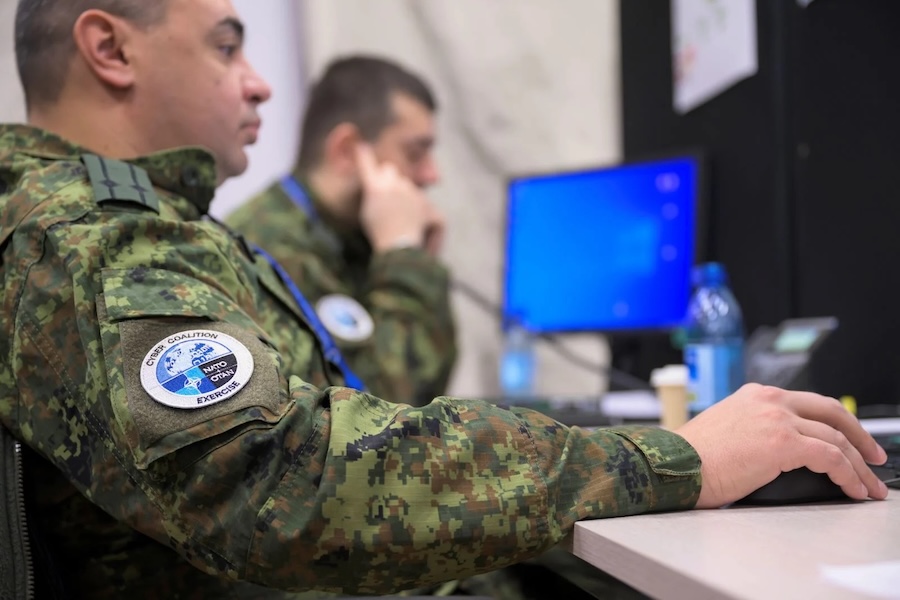
The exercise remains NATO’s largest cyber defence event and a key platform for testing cybersecurity readiness and advancing strategic transformation in the digital domain. NATO explained that participants from commands, Allied nations, partner countries, and organisations worked to improve their ability to protect networks and respond to incidents in cyberspace.
Allied Command Transformation, responsible for anticipating future challenges and delivering innovative solutions, played a central role in Cyber Coalition 2025. It led seven complex scenarios designed to mirror real-world threats, including attacks on critical infrastructure, disruptions to operations, space-related vulnerabilities, and malicious activity inside backup systems.
NATO said these simulations helped test responses to multi-actor cyber incidents while demonstrating how experimentation supports the modernisation of Alliance capabilities. Allied Command Transformation also introduced concepts such as the Virtual Cyber Incident Support Capability, which enables rapid cooperation between NATO Commands and Allies during cyber intrusions.
Cyber Coalition is also designed to build trust and shared expertise across participating countries. NATO emphasised that the exercise allows cyber defenders to exchange best practices, work through technical challenges, and strengthen their collective ability to detect, deter, and defend against cyberattacks.
The event supports NATO’s defensive posture and adherence to international law while helping to safeguard essential services, networks, and intellectual property. Cyber Coalition’s focus on cooperation ensures that the Alliance can continue to mitigate risks in a rapidly changing threat environment.
In addition to operational readiness, Cyber Coalition acts as a platform for long-term capability development and transformation in the cyber domain. By aligning experimentation with NATO priorities, the exercise allows emerging technologies and procedures to be tested and refined for future use.
NATO underscored that cyber defence now stands alongside land, air, sea, and space as a core operational priority. Integrating cybersecurity more deeply into Alliance planning reflects a proactive commitment to maintaining collective security.
As cyber threats continue to intensify, NATO considers exercises like Cyber Coalition essential for ensuring that member states can deter, defend against, and recover from hostile activity. The 2025 edition strengthened cooperation across the coalition of nations working to secure cyberspace.
NATO concluded that Cyber Coalition remains vital for driving innovation, collaboration, and resilience within the Alliance. It noted that the continued investment in such exercises demonstrates a clear commitment to protecting shared infrastructure, values, and the digital freedoms relied upon by one billion citizens.
Source: NCIA.