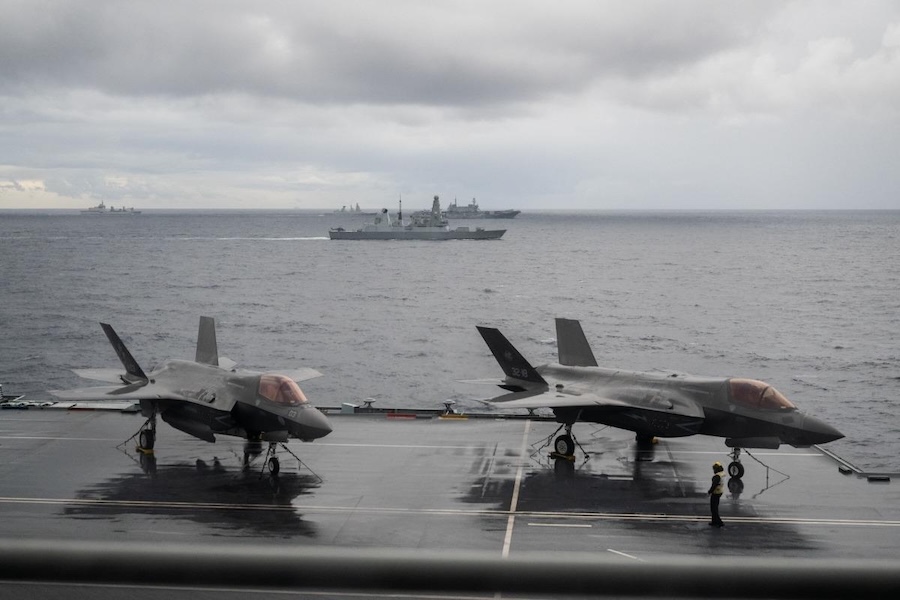
“The Alliance Maritime Strategy provides a framework for NATO to address threats and challenges in the maritime domain across the Euro-Atlantic region,” said Vice Admiral Mike Utley, Commander, Allied Maritime Command (MARCOM). “From deterrence and defence, crisis prevention and management, to cooperative security, NATO’s maritime forces provide integral and credible combat power for the Alliance that underpins our collective defence. This strategy will guide Allied efforts to strengthen capabilities, leverage emerging technology, enhance lethality, and prevail in conflict.”
NATO underlines that maritime security remains essential to global commerce and daily life, noting that recent crises show how closely the Alliance’s prosperity is tied to events at sea. It warns that NATO must be ready to “fight tonight” and “fight tomorrow” as part of its core responsibility to protect one billion citizens.
The updated strategy notes that Allied maritime forces offer reach, power projection and readiness, giving them utility in peacetime, crisis and conflict. NATO argues that defending its territory requires rapid adaptation to ensure its fleets remain capable into the next decade.
According to the document, the security environment has become more complex due to global competition, instability and repeated shocks. NATO identifies Russia as the most significant and direct threat to Euro Atlantic security and says terrorism remains the most immediate asymmetric danger to Allied populations.
The strategy also highlights the growing global footprint of the People’s Republic of China, whose naval development and closer alignment with Russia are viewed as challenges to the rules based international order. Other authoritarian actors are described as increasing investment in advanced systems that undermine transparency and stability.
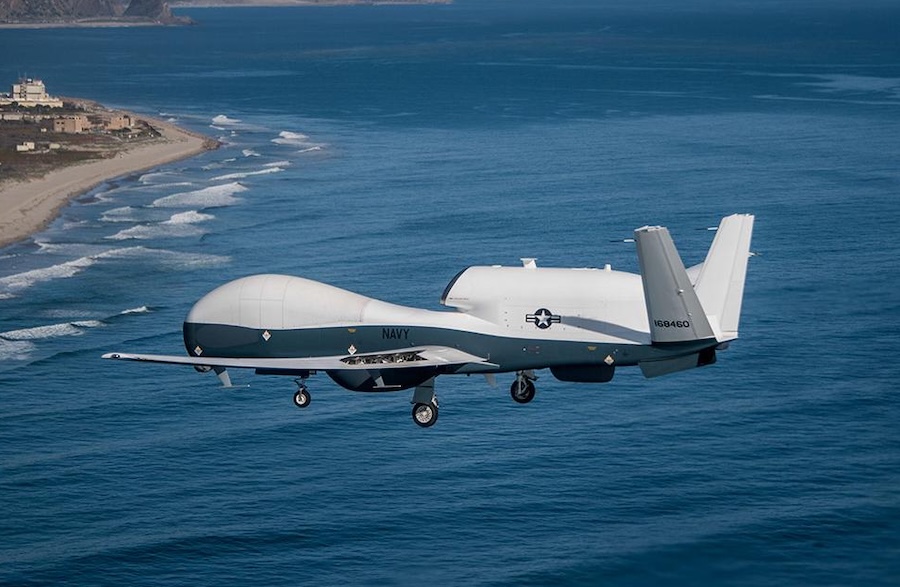
NATO states that climate change and emerging technologies are reshaping maritime operations, with melting sea ice, new routes and systems such as autonomous platforms and hypersonic missiles altering how power is projected at sea. These trends create a more demanding environment that requires stronger deterrence and sustained readiness.
The Alliance says the updated maritime strategy aligns with existing NATO policy and reflects its 360 degree approach to threats from all directions. It is intended to guide deterrence and defence, crisis prevention and management, and cooperative security into the next decade.
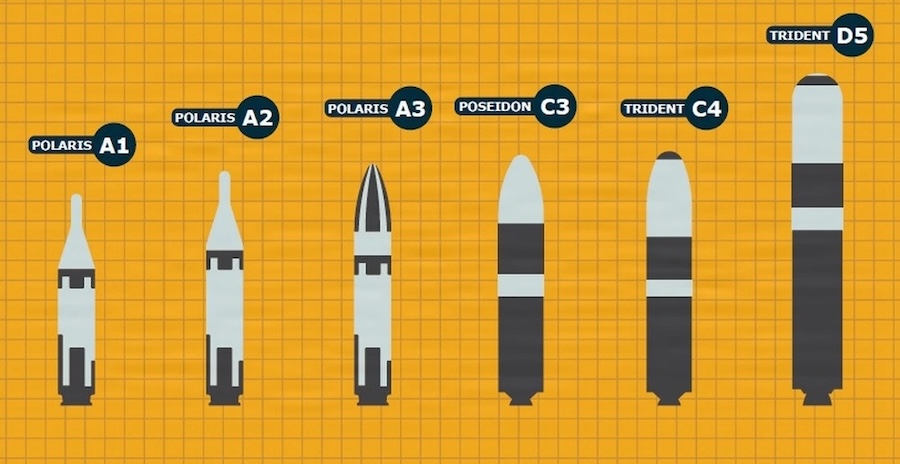
NATO emphasises that maritime power supports nuclear deterrence, freedom of navigation, secure sea lines and protection of undersea infrastructure. The Alliance sees evolving technologies, multi domain integration and resilient logistics as central to maintaining operational advantage.
To retain this edge, NATO plans to strengthen capabilities in areas including carrier strike, anti submarine warfare, mine warfare, autonomous systems and precision strike. It adds that maritime forces will continue to support crisis response, including humanitarian and disaster relief tasks.
The document notes that international cooperation expands NATO’s reach through exercises, capacity building and engagement with global maritime bodies. These partnerships help uphold international norms, improve shared awareness and support stability at sea.
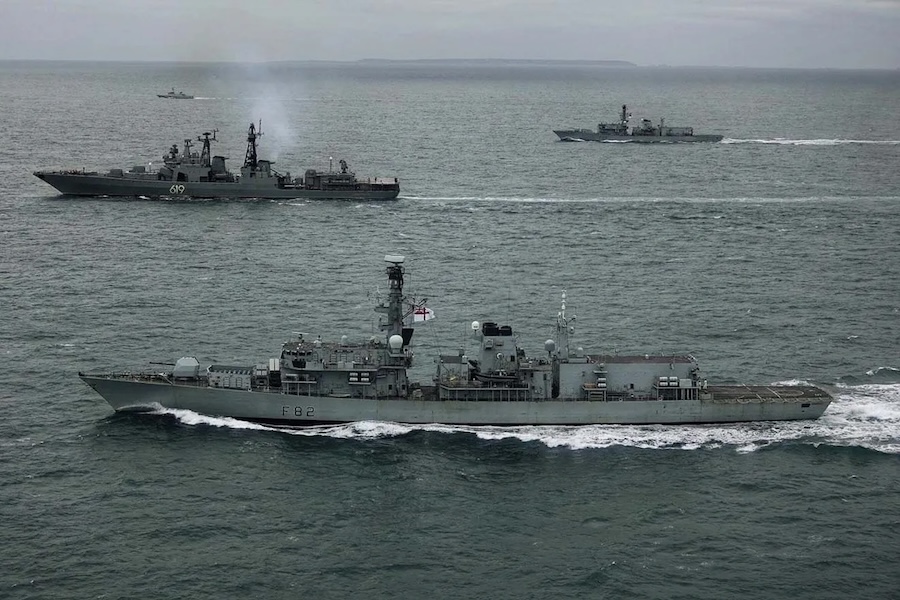
Implementation of the strategy will involve raising the readiness, resilience and reach of Allied naval forces, with Standing Naval Forces remaining a forward and flexible tool for deterrence and operations. NATO says this will enhance the ability to detect and respond to threats, including those against critical undersea and offshore infrastructure.
Planned steps include better information sharing, improved tracking and attribution of incidents, and greater use of innovative surveillance technologies. NATO also calls for close cooperation with civilian and commercial partners to support these efforts.
The Alliance expects stronger cross domain command and control, supported by digital transformation and emerging technologies, to speed up and improve decision making. A renewed programme of training and exercises will prioritise both immediate readiness and long term development, using Standing Naval Forces to test new approaches.
NATO says the NATO Defence Planning Process and increased defence investment will support delivery of the next generation of maritime capabilities. It also stresses the value of closer defence industry cooperation and consistent communication to highlight Allied unity and resolve at sea.
Source: NATO.