According to U.S. Army Sgt. 1st Class Caleb Ayers, a master gunner and lead planner for the exercise, the aim is to test cooperation enabled by shared digital systems. “The purpose of the exercise at this moment is to test artillery cooperation across Europe. Dynamic Front helps everyone to operate in a distributed battlefield through the Artillery Systems Cooperation Activities (ASCA) connections,” Ayers said.
ASCA allows participating nations to share fire mission data over a common tactical network, enabling missions coordinated from Romania to be executed as far away as Germany, Poland and Spain under a single command structure. “You can have missions going across multiple countries with one control. For Dynamic Front 26, we have our control here in Romania, but we have missions that can go to Germany, Poland, and Spain. We can disperse across the entire theater and maintain that communication,” Ayers said.
Spanish Armed Forces Lt. Col. Francisco Morejón said the exercise demonstrated effective long-distance interoperability for his unit operating more than 1,500 miles away. “This exercise is very important because it demonstrates the interoperability we have in terms of fires and command and control systems. We receive fire missions from 8th Brigade (Romania) and we translate it into real targets using the same command and control systems to connect to our platoons in Spain,” he said.
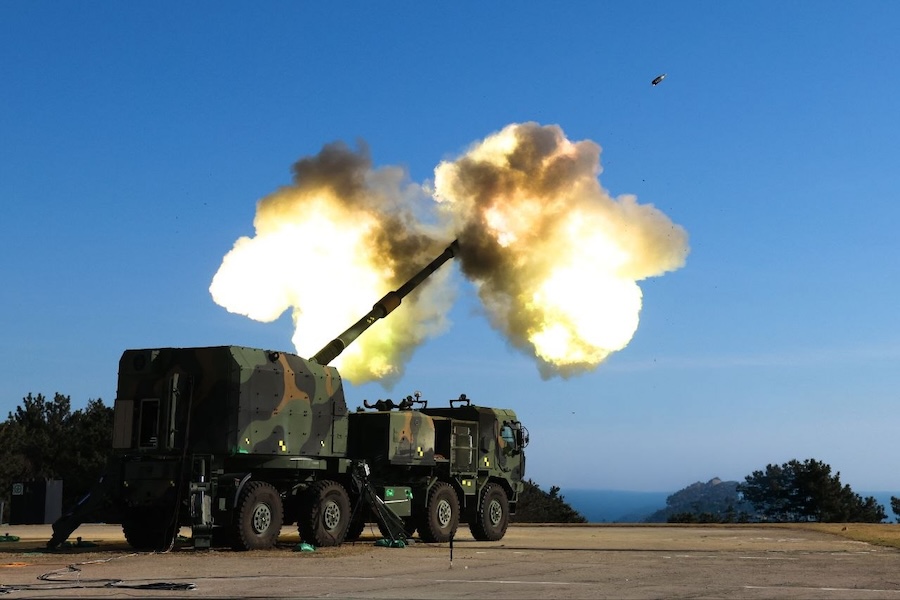
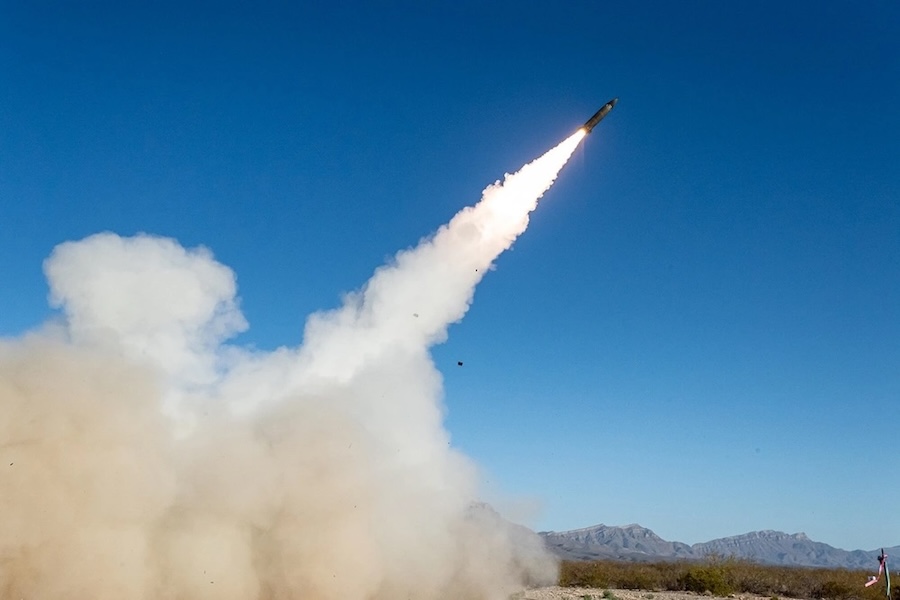
The simulation phase confirmed the ability of NATO and U.S. forces to share information rapidly and accurately in complex, contested environments, reinforcing collective deterrence across Europe. Following the command post exercise, allied forces have now moved into a live-fire phase across four countries to validate digital command and control with real-world effects.