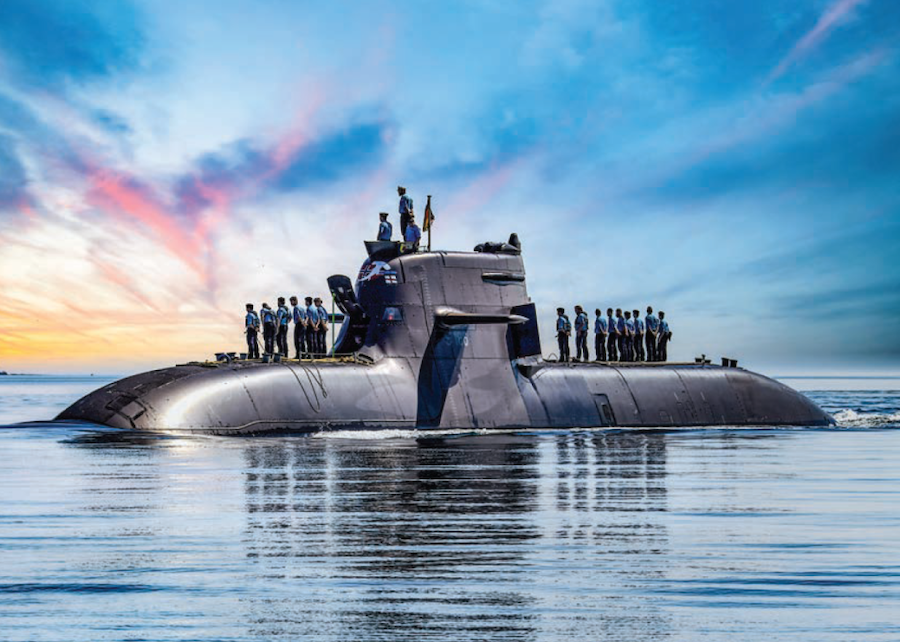
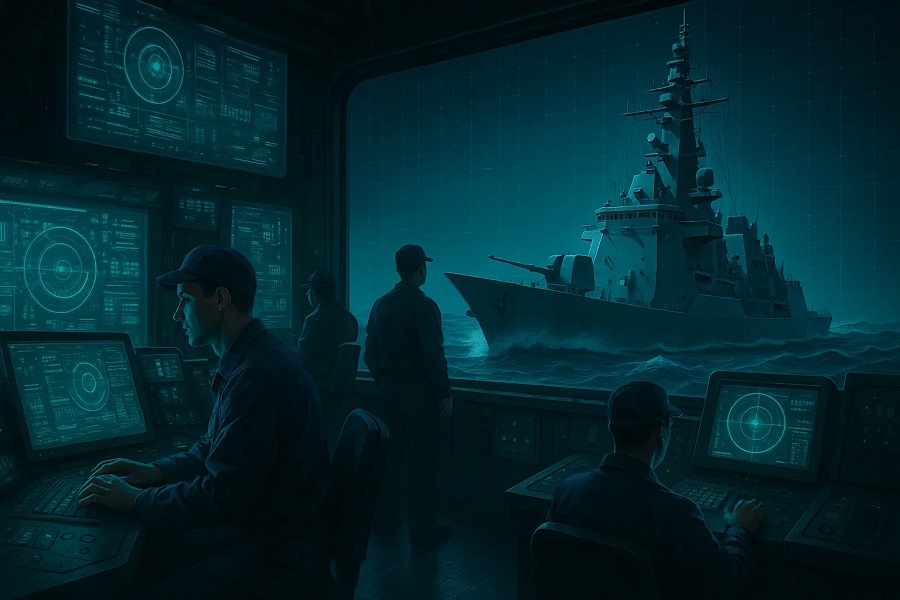
This phase involves detailed engineering studies to define a naval platform capable of intelligence gathering and electronic warfare in maritime environments. The estimated cost of the Execution Order for this stage is fourteen million euros, with work expected to last eleven months.
The ship forms part of the Industrial and Technological Plan for Security and Defence, supporting Spain’s strategic objective to enhance naval intelligence capabilities. It will be equipped with systems designed to intercept signals, support cyber defence, and conduct electronic warfare at sea.
The intelligence systems on board will stem from the Santiago programme, which seeks to upgrade how the Spanish armed forces collect and analyse signals and emissions from potential threats. The programme aims to provide modern, interoperable intelligence tools across the Navy, Army, and Air Force.
Navantia, which will carry out the studies and platform definition, has a longstanding relationship with the Spanish Ministry of Defence and continues to support the country’s drive for enhanced maritime security.











![CENTCOM chief says U.S. forces remain ready after ‘generational’ defeat of Iran despite fragile ceasefire [VIDEO]](https://defence-industry.eu/wp-content/uploads/2026/04/centcom-chief-says-us-forces-remain-ready-after-generational-defeat-of-iran.jpeg)
![Team Lynx details XM30 infantry fighting vehicle concept as U.S. Army program nears key decision [VIDEO]](https://defence-industry.eu/wp-content/uploads/2026/04/team-lynx-details-xm30-infantry-fighting-vehicle-concept.jpeg)