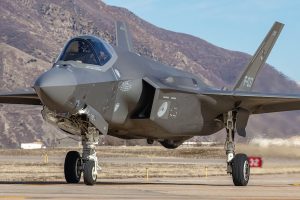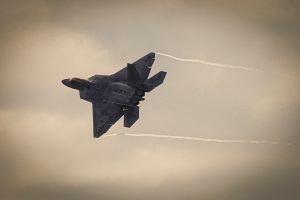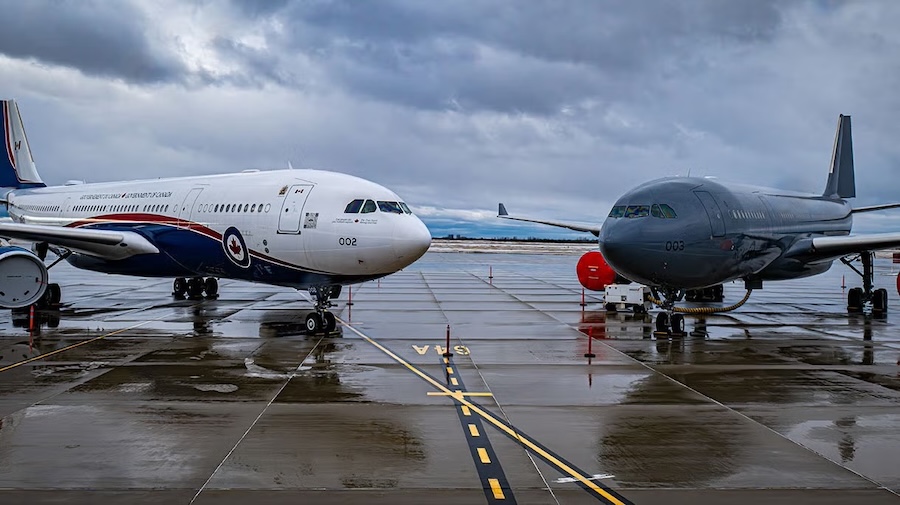

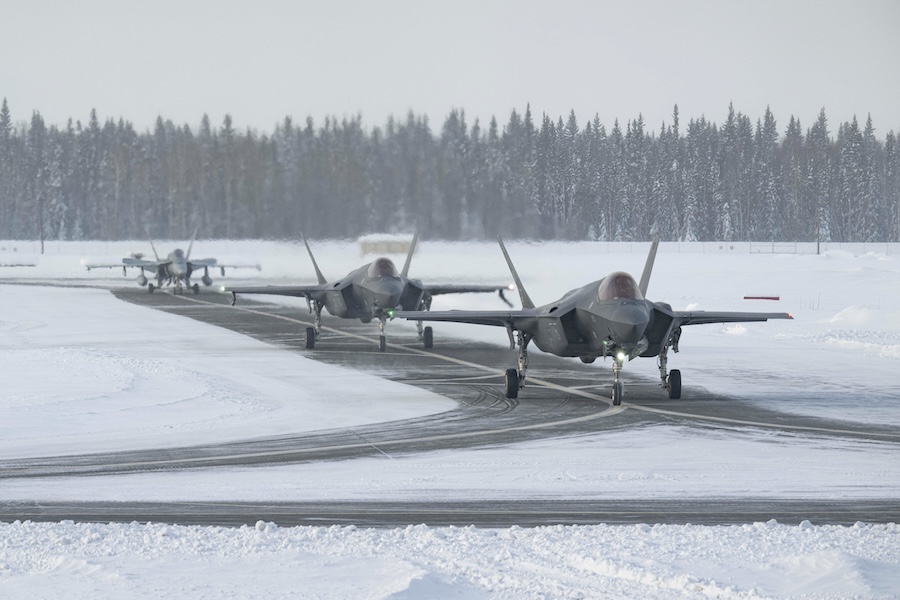
In response, NORAD launched a coordinated air defense operation involving aircraft from both the United States and Canada. The mission included two U.S. Air Force F-35 fighter aircraft, two F-22 fighter aircraft, four KC-135 tanker aircraft, one E-3 AWACS aircraft, two Canadian CF-18 fighter aircraft, and one CC-150 tanker.
The aircraft were deployed to identify, monitor, and intercept the Russian planes operating within the ADIZ. NORAD stated that the operation was conducted to maintain awareness and ensure the security of North American airspace.
According to the command, the Russian aircraft remained in international airspace throughout the event. They did not enter sovereign airspace belonging to either the United States or Canada.
NORAD noted that such activity in the Alaskan and Canadian Air Defense Identification Zones occurs regularly. The command added that the incident was not considered a threat.
An Air Defense Identification Zone begins where a nation’s sovereign airspace ends. It is a designated area of international airspace in which aircraft must be readily identified in the interest of national security.
NORAD maintains continuous monitoring of aircraft operating near North American airspace. The command uses a layered defense network that includes satellites, ground-based and airborne radars, and fighter aircraft to detect and track airborne activity.
These systems allow NORAD to maintain situational awareness and determine appropriate responses. The command said it remains prepared to employ a range of response options in defense of North America.