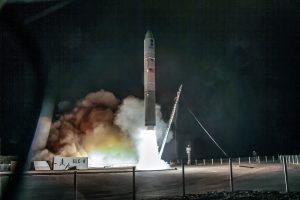
The Sentinel system is intended to replace the aging ground-based leg of the U.S. nuclear triad. It spans infrastructure across more than 32,000 square miles in five states.
The revised acquisition model emphasizes speed and incremental development. This approach allows earlier testing, faster validation and real-time application of lessons learned.
Northrop Grumman and the Air Force are prioritizing rapid fielding while maintaining performance standards. The program includes progress in missile testing, infrastructure prototyping and supply chain readiness.
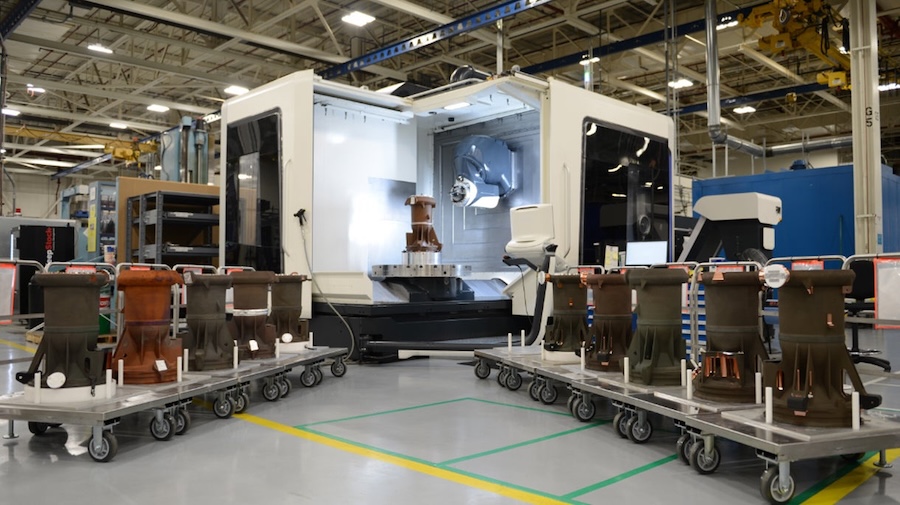
The industrial base supporting Sentinel includes more than 500 partners and over 10,000 personnel. The company has also strengthened supply chains to support production at scale.
Over the past five years, Northrop Grumman has invested $13.5 billion in infrastructure and research and development. This includes $2 billion dedicated to solid rocket motor production capacity.
Sarah Willoughby, vice president and general manager of strategic deterrent systems at Northrop Grumman, said: “The Sentinel program exemplifies what’s possible when a bold acquisition approach meets relentless innovation.” She added: “Our dedicated workforce and extensive partner network are united by a common purpose to field the Sentinel weapon system with speed and scale while delivering enhanced capability to the U.S. Air Force.”
The missile has progressed from digital design to early prototyping and testing. Development leverages a digital engineering environment similar to that used in the B-21 Raider program.
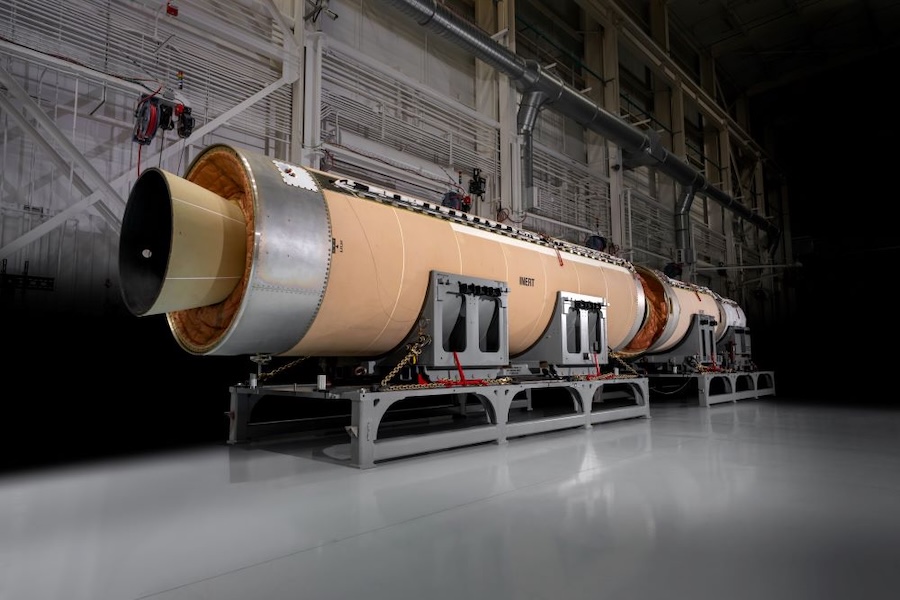
Sentinel features a new three-stage booster design. Its solid rocket motors are made from composite materials that are approximately 70 percent lighter than those used in the Minuteman III system.
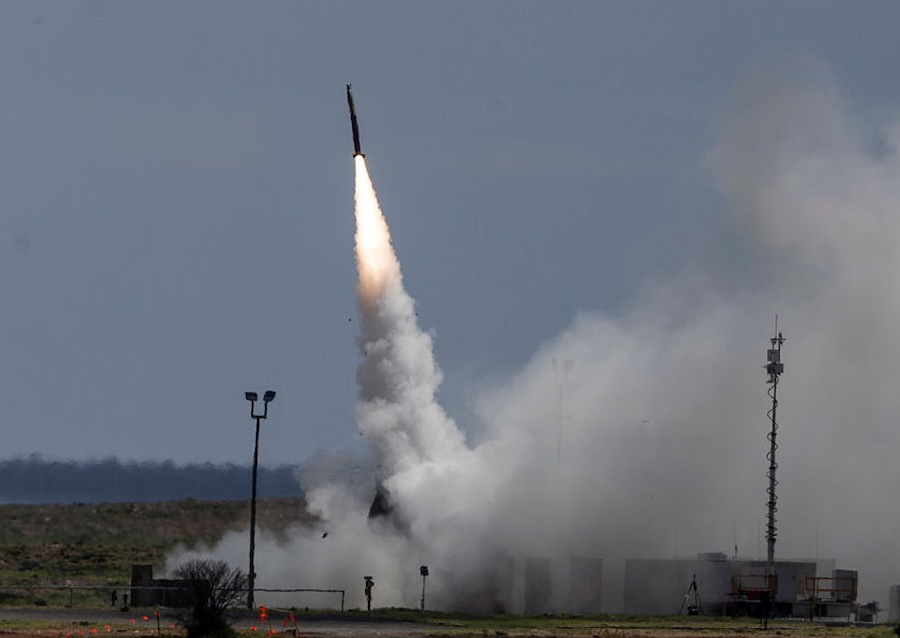
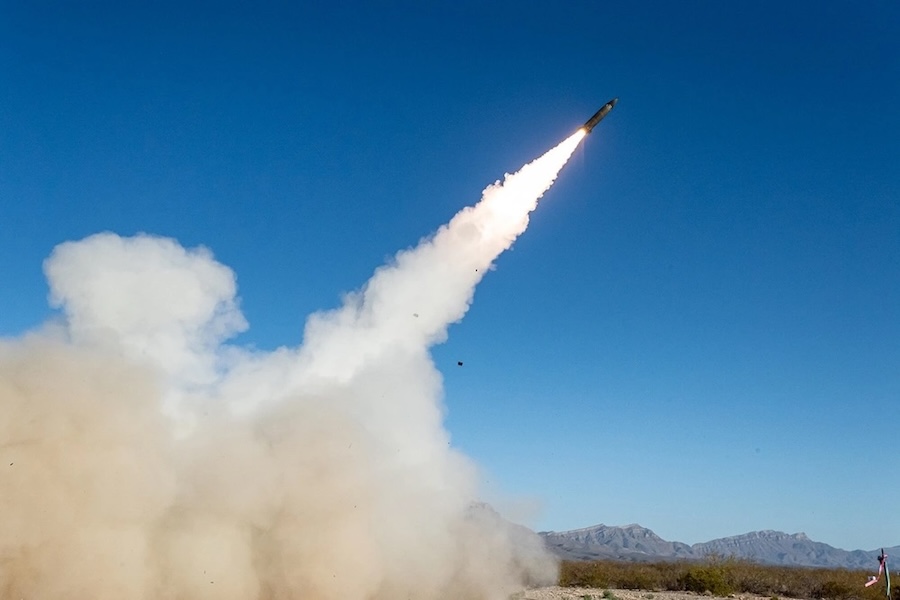
All propulsive elements of the missile have been prototyped and tested. The first three-stage booster has been assembled, and rocket motors for the first five flight tests are already in production.
Testing has included interstage separation and shroud validation. Guidance and control systems have also been evaluated under simulated flight conditions to confirm performance.
In parallel with missile development, work is advancing on supporting infrastructure. This includes a new modular launch silo design and associated systems.
A prototype launch silo tube has entered testing to validate structural design and construction methods. The updated architecture is intended to reduce costs and improve long-term maintenance compared with legacy systems.
Transport systems have been verified through cross-country testing. The Launch Support System, a digital command and control framework, has completed its critical design review.
The Sentinel program is designed to operate through 2075. Each component is undergoing extensive testing to ensure reliability and resilience over its lifecycle.
Further milestones are expected in 2027 as development progresses toward the first flight test. Northrop Grumman and the Air Force continue to refine system components ahead of operational deployment.
The program includes engagement with local communities near missile bases. Data collection and planning efforts are underway to support construction, fielding and future operations.
Northrop Grumman and its partners plan to continue testing and certification across all system elements. The program is intended to deliver a next-generation deterrent capability for the United States.